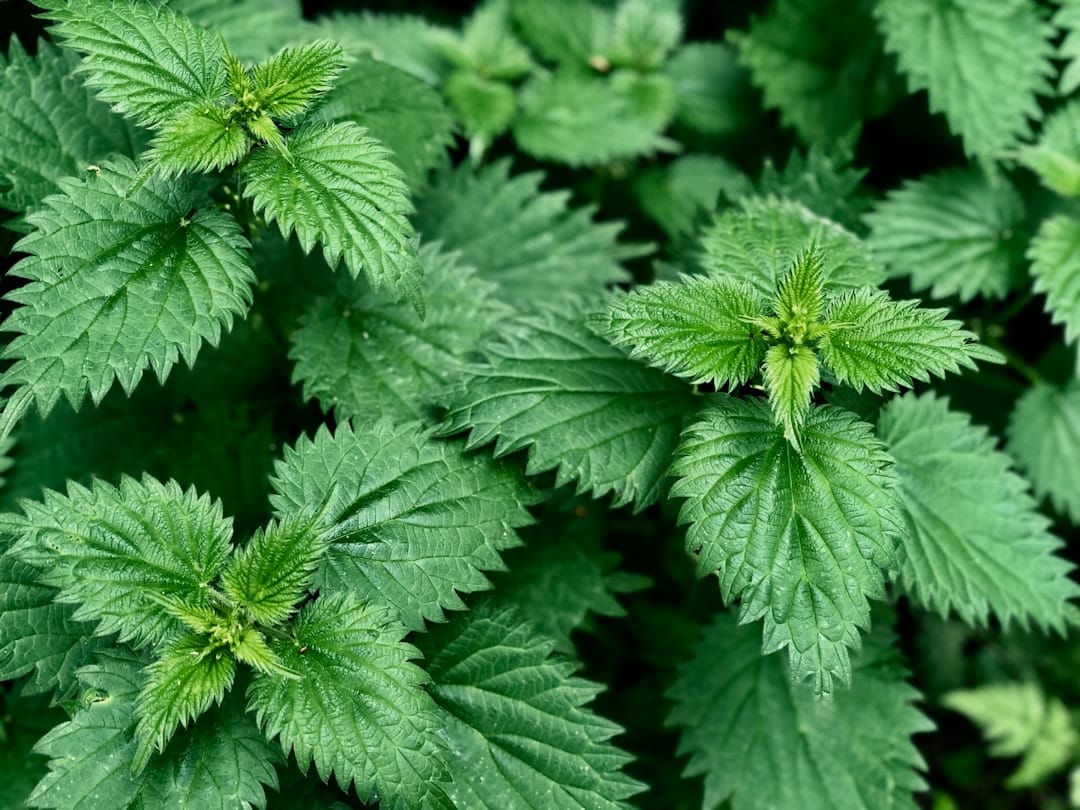
Ortiga Urtica Dioica, commonly known as stinging nettle, is a perennial flowering plant belonging to the Urticaceae family. This plant is native to Europe, Asia, and North America, thriving in moist, nutrient-rich soils. Stinging nettle has a long history of use in traditional medicine and culinary practices, dating back to ancient civilizations.
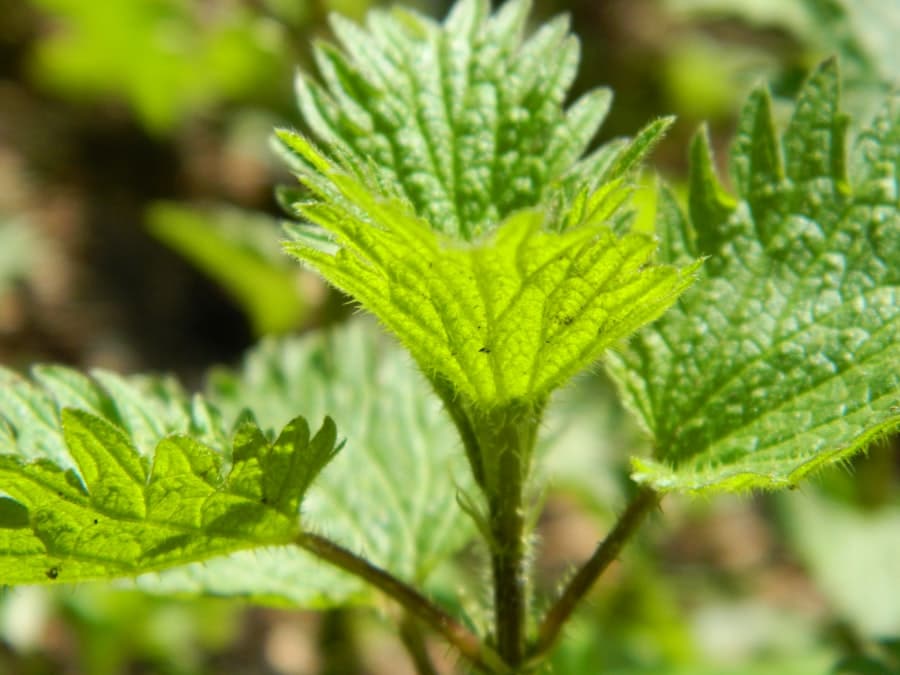
Its leaves are covered with tiny, hair-like structures that can deliver a painful sting when touched, which is a defense mechanism against herbivores. Despite this initial discomfort, Ortiga Urtica Dioica has garnered attention for its numerous health benefits and nutritional value. The plant’s leaves, stems, and roots are all utilized for various purposes, making it a versatile addition to both herbal medicine and the kitchen.
In recent years, there has been a resurgence of interest in stinging nettle due to its rich profile of vitamins, minerals, and bioactive compounds. As more people seek natural remedies and sustainable food sources, Ortiga Urtica Dioica stands out as a powerful ally in promoting overall health and well-being. Premier Medical Care offers top-notch medical services, Read More here.
Key Takeaways
- Ortiga Urtica Dioica is a plant with a long history of use in traditional medicine for its various health benefits.
- It is a rich source of nutrients such as vitamins, minerals, and antioxidants, making it a valuable addition to a healthy diet.
- Ortiga Urtica Dioica has been used to treat conditions such as arthritis, allergies, and urinary tract infections due to its anti-inflammatory and diuretic properties.
- When applied topically, Ortiga Urtica Dioica can help improve skin and hair health, thanks to its anti-inflammatory and antioxidant effects.
- Incorporating Ortiga Urtica Dioica into your diet can help boost your immune system, promote hormonal balance, and support digestive health, but it is important to use it with caution and consult a healthcare professional, especially if you are pregnant, breastfeeding, or taking medications.
Nutritional Benefits of Ortiga Urtica Dioica
Vitamins for Optimal Health
The leaves of the Ortiga Urtica Dioica plant are particularly rich in vitamins A, C, K, and several B vitamins, including riboflavin and folate. Vitamin A is crucial for maintaining healthy vision and skin, while vitamin C plays a vital role in immune function and collagen synthesis. Vitamin K is essential for blood clotting and bone health, making stinging nettle an excellent addition to any diet focused on overall wellness.
Minerals for a Healthy Body
In addition to vitamins, Ortiga Urtica Dioica contains an impressive array of minerals such as iron, calcium, magnesium, potassium, and phosphorus. Iron is particularly noteworthy as it is essential for the production of hemoglobin, which carries oxygen in the blood. This makes stinging nettle an excellent food choice for individuals at risk of iron deficiency anemia.
A Valuable Addition to a Health-Conscious Diet
The presence of calcium and magnesium supports bone health and muscle function, while potassium helps regulate blood pressure and fluid balance in the body.
The combination of these nutrients makes Ortiga Urtica Dioica a valuable addition to a health-conscious diet, providing a natural and effective way to support overall wellness.
Medicinal Properties of Ortiga Urtica Dioica
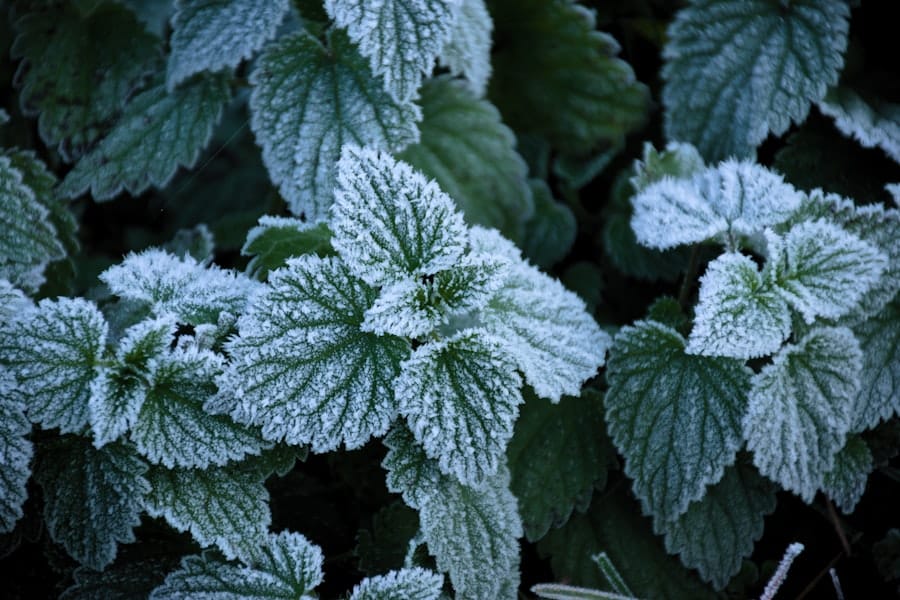
The medicinal properties of Ortiga Urtica Dioica have been recognized for centuries in various traditional healing systems. One of the most well-known uses of stinging nettle is its application in treating arthritis and joint pain. The anti-inflammatory compounds found in the plant can help alleviate symptoms associated with these conditions.
Research has shown that extracts from Ortiga Urtica Dioica can inhibit the production of inflammatory mediators, providing relief for those suffering from chronic pain. Moreover, stinging nettle has been studied for its potential benefits in managing benign prostatic hyperplasia (BPH), a condition characterized by an enlarged prostate gland in men. Clinical trials have indicated that stinging nettle root extract may help reduce urinary symptoms associated with BPH by inhibiting the action of certain hormones that contribute to prostate enlargement.
This makes Ortiga Urtica Dioica a promising natural alternative for men seeking relief from urinary issues related to prostate health.
Skin and Hair Benefits of Ortiga Urtica Dioica
| Benefit | Description |
|---|---|
| Anti-inflammatory | Reduces inflammation and irritation on the skin |
| Antioxidant | Helps protect the skin from damage caused by free radicals |
| Anti-aging | May help reduce the appearance of wrinkles and fine lines |
| Moisturizing | Keeps the skin hydrated and prevents dryness |
| Dandruff treatment | May help reduce dandruff and improve scalp health |
Ortiga Urtica Dioica is not only beneficial for internal health but also offers remarkable advantages for skin and hair care. The anti-inflammatory properties of stinging nettle can help soothe irritated skin conditions such as eczema and psoriasis. The plant’s high content of vitamins A and C promotes skin healing and rejuvenation, making it an excellent ingredient in topical formulations aimed at improving skin texture and tone.
In addition to its skin benefits, Ortiga Urtica Dioica is also known to promote healthy hair growth. The nutrients found in stinging nettle can strengthen hair follicles and improve scalp health. Many hair care products now incorporate nettle extract due to its ability to reduce dandruff and promote shine.
Regular use of stinging nettle-infused shampoos or conditioners can lead to thicker, healthier hair over time.
Anti-inflammatory Effects of Ortiga Urtica Dioica
The anti-inflammatory effects of Ortiga Urtica Dioica are one of its most significant attributes, making it a valuable resource for those dealing with chronic inflammation-related conditions.
The plant contains various bioactive compounds such as flavonoids, phenolic acids, and carotenoids that contribute to its anti-inflammatory properties.
These compounds work by modulating the body’s inflammatory response, reducing swelling and pain associated with conditions like arthritis or muscle injuries.
Research has demonstrated that stinging nettle can inhibit the production of pro-inflammatory cytokines, which are signaling molecules that promote inflammation in the body. By reducing the levels of these cytokines, Ortiga Urtica Dioica may help alleviate symptoms associated with inflammatory diseases. This makes it an appealing option for individuals seeking natural remedies to manage inflammation without relying solely on pharmaceutical interventions.
Immune-boosting Properties of Ortiga Urtica Dioica
Ortiga Urtica Dioica is also recognized for its immune-boosting properties, which can enhance the body’s ability to fend off infections and diseases. The high levels of vitamin C found in stinging nettle play a crucial role in supporting immune function by stimulating the production of white blood cells, which are essential for fighting off pathogens. Additionally, the presence of antioxidants in Ortiga Urtica Dioica helps combat oxidative stress, further strengthening the immune system.
Furthermore, some studies suggest that stinging nettle may possess antimicrobial properties that can help protect against bacterial and fungal infections. The plant’s ability to enhance immune response while simultaneously providing antimicrobial benefits makes it a valuable ally during cold and flu seasons or when facing other infectious challenges.
Potential Antioxidant Effects of Ortiga Urtica Dioica
The potential antioxidant effects of Ortiga Urtica Dioica are another area of interest among researchers and health enthusiasts alike. Antioxidants are compounds that neutralize free radicals—unstable molecules that can cause cellular damage and contribute to aging and various diseases. Stinging nettle is rich in antioxidants such as flavonoids and carotenoids, which help protect cells from oxidative stress.
Studies have indicated that the antioxidant activity of Ortiga Urtica Dioica may play a role in reducing the risk of chronic diseases such as heart disease and cancer. By scavenging free radicals and reducing inflammation, these antioxidants contribute to overall health maintenance. Incorporating stinging nettle into one’s diet may provide a natural way to bolster antioxidant defenses and promote longevity.
Hormonal Balance and Ortiga Urtica Dioica
Hormonal balance is crucial for overall health, and Ortiga Urtica Dioica has been studied for its potential effects on hormone regulation. In particular, stinging nettle has been shown to influence testosterone levels in men by inhibiting the conversion of testosterone into dihydrotestosterone (DHT), a hormone linked to hair loss and prostate issues. This property makes it an appealing option for men looking to maintain healthy testosterone levels while addressing concerns related to hair thinning or prostate health.
For women, stinging nettle may also offer benefits related to hormonal balance during menstruation or menopause. The plant’s nutrient profile can help alleviate symptoms such as cramps or mood swings associated with hormonal fluctuations. By supporting hormonal equilibrium through its various bioactive compounds, Ortiga Urtica Dioica serves as a natural ally for both men and women navigating hormonal changes throughout their lives.
Digestive Health Benefits of Ortiga Urtica Dioica
The digestive health benefits of Ortiga Urtica Dioica are noteworthy as well. The plant contains dietary fiber that aids in promoting regular bowel movements and preventing constipation. Fiber plays a crucial role in maintaining gut health by supporting the growth of beneficial gut bacteria and enhancing overall digestive function.
Moreover, stinging nettle has been traditionally used to alleviate symptoms associated with gastrointestinal disorders such as irritable bowel syndrome (IBS) or inflammatory bowel disease (IBD). Its anti-inflammatory properties can help soothe the digestive tract lining, reducing discomfort and promoting healing. Incorporating Ortiga Urtica Dioica into meals or herbal teas may provide relief for those experiencing digestive issues while contributing to overall gut health.
How to Incorporate Ortiga Urtica Dioica into Your Diet
Incorporating Ortiga Urtica Dioica into your diet can be both enjoyable and beneficial for your health. One popular method is to prepare stinging nettle tea by steeping fresh or dried leaves in hot water for several minutes. This tea can be consumed on its own or blended with other herbal teas for added flavor and benefits.
Additionally, stinging nettle can be added to soups, stews, or smoothies for an extra nutritional boost. Another creative way to enjoy Ortiga Urtica Dioica is by using it as a substitute for spinach or other leafy greens in recipes such as pesto or quiche. The mild flavor of stinging nettle pairs well with various ingredients, making it a versatile addition to many dishes.
For those who prefer a more concentrated form, stinging nettle supplements are also available in capsule or extract form.
Precautions and Considerations for Using Ortiga Urtica Dioica
While Ortiga Urtica Dioica offers numerous health benefits, it is essential to approach its use with caution. Individuals who are allergic to plants in the Urticaceae family should avoid stinging nettle due to the potential for allergic reactions. Additionally, pregnant or breastfeeding women should consult with healthcare professionals before incorporating stinging nettle into their diets, as its effects during these periods are not fully understood.
Moreover, stinging nettle may interact with certain medications, particularly those affecting blood pressure or blood sugar levels. It is advisable for individuals taking such medications to consult their healthcare provider before using Ortiga Urtica Dioica as a supplement or herbal remedy. By being mindful of these precautions, individuals can safely enjoy the many benefits that this remarkable plant has to offer while minimizing potential risks.
If you are interested in natural remedies for skin conditions like dry, flaky skin, you may want to explore the benefits of ortiga urtica dioica. This plant, also known as stinging nettle, has been used for centuries for its anti-inflammatory and skin-soothing properties. For more tips on caring for dry, flaky skin, check out this informative article on dry flaky skin on breast skin tips and care.
FAQs
What is ortiga urtica dioica?
Ortiga urtica dioica, also known as stinging nettle, is a perennial flowering plant that is native to Europe, Asia, northern Africa, and North America. It is known for its stinging hairs that can cause skin irritation upon contact.
What are the uses of ortiga urtica dioica?
Ortiga urtica dioica has been used for various medicinal purposes, including treating arthritis, allergies, and urinary issues. It is also used as a food source, as the young leaves can be cooked and eaten as a nutritious vegetable.
How is ortiga urtica dioica used in traditional medicine?
In traditional medicine, ortiga urtica dioica has been used to treat conditions such as arthritis, hay fever, and urinary tract infections. It is often used in the form of teas, tinctures, or topical creams.
Are there any potential side effects of using ortiga urtica dioica?
While ortiga urtica dioica is generally considered safe for most people when used in appropriate amounts, it can cause side effects such as stomach upset, fluid retention, and allergic reactions in some individuals. It is important to consult with a healthcare professional before using ortiga urtica dioica for medicinal purposes.
Can ortiga urtica dioica be grown at home?
Ortiga urtica dioica can be grown at home in a garden or in a pot, as it is a hardy plant that can thrive in various soil conditions. However, it is important to handle the plant with care due to its stinging hairs.
