Carum carvi, commonly known as caraway, is a biennial plant belonging to the Apiaceae family, which also includes other well-known herbs and spices such as parsley, dill, and cumin. This aromatic herb is characterized by its feathery, fern-like leaves and small white or pink flowers that bloom in umbrella-shaped clusters. The seeds of caraway are the most prized part of the plant, known for their distinctive flavor and aroma, which can be described as warm, slightly sweet, and peppery.
Caraway seeds have been utilized for centuries in various culinary traditions and are celebrated not only for their unique taste but also for their numerous health benefits. The versatility of caraway extends beyond the kitchen; it has found its place in traditional medicine and herbal remedies across different cultures. Its rich history and diverse applications make it a fascinating subject for exploration.
As we delve deeper into the world of Carum carvi, we will uncover its origins, culinary uses, health benefits, and much more, revealing why this humble seed deserves a prominent spot in both our spice cabinets and our gardens. Premier Medical Care offers top-notch medical services, for more information visit Read More.
Key Takeaways
- Carum carvi, also known as caraway, is a versatile and flavorful spice used in culinary and traditional medicine.
- Carum carvi has a rich history and origin, with its use dating back to ancient times in Europe and Asia.
- The spice is commonly used in breads, sausages, and pickles, adding a distinct and warm flavor to dishes.
- Carum carvi is known for its digestive and anti-inflammatory properties, making it a popular ingredient in herbal remedies.
- Growing and harvesting carum carvi requires well-drained soil and full sun, and the seeds are typically harvested in the summer months.
History and Origin of Carum Carvi
The history of Carum carvi is as rich as its flavor profile. This herb is believed to have originated in the regions of Europe and Western Asia, with evidence of its use dating back to ancient civilizations. Archaeological findings suggest that caraway seeds were used by the Egyptians as early as 3000 BCE, where they were found in tombs alongside other spices and herbs.
The Greeks and Romans also valued caraway for its culinary and medicinal properties, often incorporating it into their diets and using it as a remedy for various ailments.
Throughout the Middle Ages, caraway became a staple in European kitchens.
It was particularly popular in Germany, where it was used to flavor bread, cheese, and meats.
The spice was so revered that it was often referred to as “the seed of love,” believed to have aphrodisiac properties. As trade routes expanded, caraway seeds made their way to other parts of the world, including North America, where they were introduced by European settlers. Today, caraway is cultivated in many countries, with significant production in countries like Germany, the Netherlands, and India.
Culinary Uses of Carum Carvi
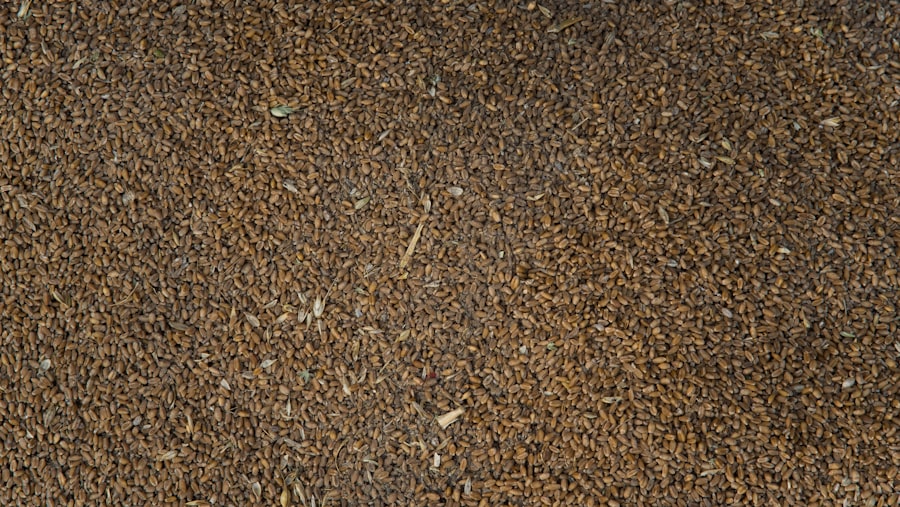
Carum carvi is a versatile spice that can enhance a wide array of dishes. Its seeds are commonly used whole or ground, imparting a warm, earthy flavor that complements both savory and sweet recipes. In European cuisine, caraway seeds are often added to rye bread, lending a distinctive taste that pairs beautifully with the dense texture of the bread.
In addition to bread-making, caraway is frequently used in stews, soups, and sauerkraut, where its flavor can meld with other ingredients to create a harmonious dish. Beyond traditional European fare, caraway has found its way into various global cuisines. In Middle Eastern cooking, it is often used in spice blends such as za’atar and is featured in dishes like falafel and lentil soup.
The seeds can also be infused into oils or vinegars to create flavorful dressings or marinades. In Scandinavian countries, caraway is a key ingredient in aquavit, a traditional spirit flavored with herbs and spices. The adaptability of caraway makes it an essential ingredient for chefs and home cooks alike who seek to elevate their culinary creations.
Health Benefits of Carum Carvi
| Health Benefits of Carum Carvi |
|---|
| 1. Rich in antioxidants |
| 2. Aids in digestion |
| 3. May help improve heart health |
| 4. Has anti-inflammatory properties |
| 5. May have antimicrobial effects |
Carum carvi is not only valued for its culinary applications but also for its numerous health benefits. The seeds are rich in essential oils, particularly carvone and limonene, which contribute to their distinctive aroma and flavor while also providing therapeutic properties. Caraway has been traditionally used to aid digestion; it is known to alleviate bloating, gas, and indigestion.
The seeds can stimulate the production of digestive enzymes, making them an excellent addition to heavy meals. In addition to digestive health, caraway has been studied for its potential antioxidant properties. Antioxidants play a crucial role in neutralizing free radicals in the body, which can contribute to chronic diseases such as cancer and heart disease.
Some research suggests that caraway may have antimicrobial properties as well, helping to combat harmful bacteria and fungi. Furthermore, the anti-inflammatory effects of caraway may provide relief from conditions such as arthritis or other inflammatory disorders. Incorporating caraway into one’s diet can thus offer a range of health benefits while enhancing the flavor of meals.
Growing and Harvesting Carum Carvi
Growing Carum carvi can be a rewarding endeavor for both novice and experienced gardeners. This biennial plant thrives in well-drained soil with plenty of sunlight; it prefers a pH level between 6.0 and 7.0. Caraway can be sown directly into the garden in early spring or late summer; however, it is essential to ensure that the seeds are planted at a depth of about half an inch to promote germination.
The seeds typically take two to three weeks to sprout. Once established, caraway plants can grow up to 24 inches tall and produce clusters of white flowers during their second year. Harvesting occurs when the seeds turn brown but before they fall off the plant; this usually happens in late summer or early fall.
To harvest, cut the seed heads and place them in a paper bag to dry further before separating the seeds from the chaff. Properly dried seeds can be stored in an airtight container away from light and heat for up to two years, ensuring that their flavor remains intact.
Carum Carvi in Traditional Medicine
Carum carvi has long been utilized in traditional medicine systems around the world. In Ayurvedic practices, caraway is considered beneficial for balancing the doshas—Vata, Pitta, and Kapha—and is often recommended for digestive issues. Herbalists have historically used caraway seeds as a remedy for respiratory ailments; they are believed to help relieve coughs and bronchitis by acting as an expectorant.
In European folk medicine, caraway has been employed for centuries as a remedy for various ailments ranging from colds to menstrual discomfort. Infusions made from caraway seeds are often consumed to soothe digestive troubles or promote relaxation before sleep. The seeds are also thought to have diuretic properties, aiding in the elimination of excess fluids from the body.
This rich tradition of using caraway in herbal medicine underscores its importance not only as a culinary spice but also as a valuable component of holistic health practices.
Unique Flavor Profile of Carum Carvi
The flavor profile of Carum carvi is one of its most intriguing aspects. Often described as warm and slightly sweet with hints of anise and citrus, caraway seeds possess a complex taste that can enhance both savory and sweet dishes alike. The primary compound responsible for this unique flavor is carvone, which gives caraway its characteristic aroma reminiscent of minty sweetness.
When used in cooking, caraway seeds can impart depth to dishes without overwhelming other flavors. Their warm notes make them an excellent complement to hearty ingredients such as potatoes, cabbage, and meats. In baking, particularly with rye bread or spiced cakes, caraway adds an unexpected twist that elevates the overall taste experience.
This multifaceted flavor profile allows chefs to experiment with caraway in various culinary contexts while providing diners with a delightful sensory experience.
Pairing Carum Carvi with Other Ingredients
Pairing Carum carvi with other ingredients can lead to exciting culinary creations that highlight its unique flavor profile. One classic combination is with cabbage; whether in coleslaw or sauerkraut, the earthy notes of caraway enhance the natural sweetness of cabbage while providing a counterbalance to its acidity. Similarly, when paired with potatoes—whether roasted or mashed—caraway adds warmth that complements the creamy texture.
In addition to vegetables and starches, caraway works well with proteins such as pork and lamb. The spice’s aromatic qualities can cut through the richness of fatty meats while adding depth to marinades or rubs. For those looking to explore sweet pairings, consider incorporating caraway into baked goods like cookies or cakes; its warm notes can harmonize beautifully with spices like cinnamon or nutmeg.
By experimenting with these pairings, cooks can unlock new dimensions of flavor that showcase the versatility of caraway.
Carum Carvi in Different Cuisines
Carum carvi’s global presence is evident in its incorporation into various cuisines around the world. In Central European cooking—particularly German and Austrian—caraway is a staple ingredient in dishes such as sauerkraut and rye bread. Its use extends beyond savory applications; it is also found in desserts like spiced cakes or cookies where its unique flavor adds complexity.
In Middle Eastern cuisine, caraway plays a significant role in spice blends like baharat or za’atar. It is often used in stews or rice dishes where it enhances the overall flavor profile while providing aromatic depth. In Indian cooking, caraway seeds are sometimes confused with cumin due to their similar appearance; however, they offer distinct flavors that can elevate curries or lentil dishes when used appropriately.
This cross-cultural adaptability highlights how caraway has transcended regional boundaries while remaining an essential ingredient across diverse culinary traditions.
Recipes Featuring Carum Carvi
Incorporating Carum carvi into recipes can be both enjoyable and rewarding due to its versatility. One popular dish is traditional German sauerkraut; simply ferment shredded cabbage with salt and add crushed caraway seeds for an authentic flavor boost that enhances digestion while providing probiotic benefits. Another delightful recipe is rye bread; mixing ground caraway seeds into the dough not only adds flavor but also contributes to the bread’s characteristic aroma.
For those seeking something sweet, consider making spiced cookies featuring ground caraway seeds alongside cinnamon and nutmeg; these cookies offer a unique twist on traditional recipes while showcasing the herb’s warm notes. Additionally, a simple roasted potato dish seasoned with olive oil, salt, pepper, and whole caraway seeds can elevate any meal by adding depth without overwhelming other flavors. These recipes exemplify how easily caraway can be integrated into everyday cooking while enhancing both taste and health benefits.
Embracing the Versatility of Carum Carvi
Carum carvi stands out not only for its rich history but also for its remarkable versatility across culinary applications and health benefits. From ancient civilizations that revered it for both flavor and medicinal properties to modern kitchens where it enhances everyday meals, this humble seed continues to captivate palates worldwide. Its unique flavor profile allows it to shine in various dishes—from hearty stews to delicate baked goods—while its health-promoting qualities make it an invaluable addition to any diet.
As we embrace the versatility of Carum carvi in our cooking practices and explore its potential health benefits through traditional medicine systems, we open ourselves up to a world of flavors that have stood the test of time. Whether you are an experienced chef or a home cook looking to experiment with new ingredients, incorporating caraway into your culinary repertoire promises not only delicious results but also a connection to centuries-old traditions that celebrate this remarkable herb.
If you’re looking to enhance the taste of your dishes with carum carvi, also known as caraway seeds, you may want to consider incorporating them into your cooking routine. These seeds have a unique flavor profile that can add depth and complexity to a variety of dishes. In fact, a recent article on using water pouches over water bottles discusses the benefits of incorporating different flavors into your meals to enhance the overall dining experience. By experimenting with ingredients like carum carvi, you can elevate the taste of your dishes and impress your guests with your culinary skills.
FAQs
What is carum carvi?
Carum carvi, also known as caraway, is a biennial plant in the Apiaceae family. It is native to Western Asia, Europe, and North Africa.
What does carum carvi taste like?
Carum carvi has a warm, slightly sweet, and peppery flavor with a hint of citrus. It is often described as a combination of anise and cumin.
How is carum carvi used in cooking?
Carum carvi seeds are commonly used as a spice in various cuisines, particularly in European and Middle Eastern dishes. They are often used to flavor bread, cheese, sausages, and pickles.
Are there any health benefits associated with carum carvi?
Carum carvi is believed to have several health benefits, including aiding digestion, reducing gas and bloating, and promoting overall digestive health. It is also rich in antioxidants and may have anti-inflammatory properties.
Can carum carvi be used as a substitute for other spices?
Carum carvi can be used as a substitute for anise or cumin in recipes, as it shares similar flavor profiles with these spices. However, it is important to note that the flavor of carum carvi is unique and may not be an exact match for other spices.
