One in five Americans will develop skin cancer by age 70, according to the American Academy of Dermatology. Most cases are basal cell carcinoma, and many start as small, quiet changes on sun‑exposed skin.
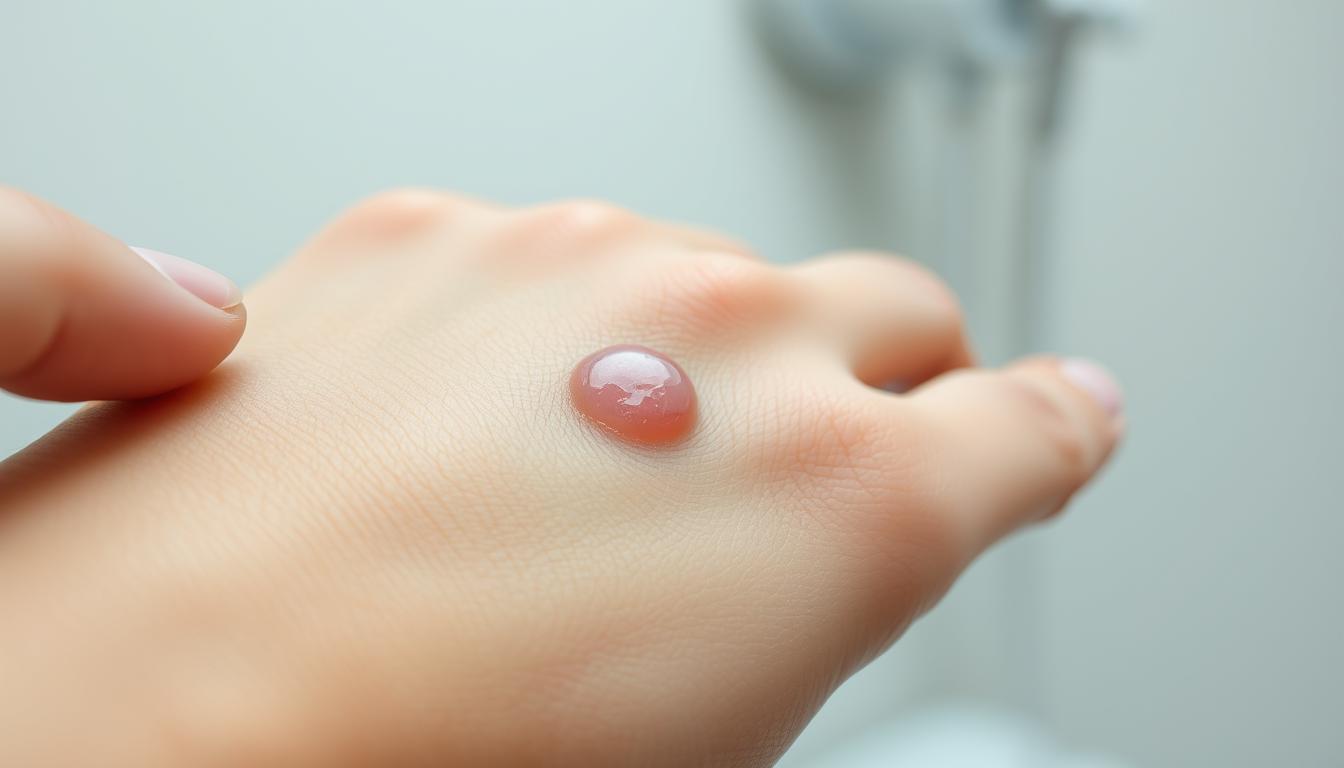
This United States skin cancer guide explains how to spot basal cell carcinoma early symptoms before they grow or invade nearby tissue. Look for a new growth, a sore that won’t heal, or a shiny bump that seems pearly. On lighter skin, bumps can appear pink or red. On brown or Black skin, lesions may look brown or glossy black with rolled edges.
Basal cell carcinoma often forms on the face, head, and neck, but it can show up anywhere. The best way to detect basal cell skin cancer is to do monthly self-checks and schedule routine skin exams. If a spot changes, bleeds, or lingers beyond a few weeks, get it checked.
Learning the early signs of basal cell cancer helps you act fast. Quick evaluation improves outcomes because non-melanoma skin cancers respond well when treated early.
Key Takeaways
- Basal cell carcinoma is the most common skin cancer in the United States.
- Watch for basal cell carcinoma early symptoms: nonhealing sores, pearly bumps, scaly patches, or scar-like areas.
- Appearance varies by skin tone; learn how lesions look on your complexion.
- The best way to detect basal cell skin cancer is consistent self-checks and regular dermatology visits.
- Seek care for any new, changing, bleeding, or persistent spot.
- Early signs of basal cell cancer are subtle but highly treatable when found promptly.
- Use this United States skin cancer guide to support timely, informed action.
Understanding Basal Cell Carcinoma
Basal cell carcinoma begins in the skin’s basal cells, which sit at the bottom of the epidermis and make new skin. When DNA damage from ultraviolet light stacks up, these cells grow when they should not. This process helps explain what is basal cell skin cancer and why it appears on sun‑exposed areas like the head and neck, yet it can occur anywhere.
People often first notice subtle changes. Learning the early basal cell carcinoma symptoms helps you act fast. Paying attention to basal cell carcinoma signs and symptoms also clarifies when a spot deserves a medical check.
What is Basal Cell Carcinoma?
Basal cell carcinoma is the most common skin cancer in the United States. It forms slow‑growing lesions that can erode nearby tissue if ignored. Long‑term sunlight and tanning beds raise risk, but signs of basal cell skin cancer may also show up on less exposed skin.
Typical locations include the nose, ears, scalp, and neck. Still, any site can be involved. Knowing what is basal cell skin cancer helps you spot basal cell carcinoma signs and symptoms early and ask for a focused skin exam.
Types of Basal Cell Carcinoma
Basal cell carcinoma appears in several patterns on the skin. Recognizing these patterns supports awareness of basal cell carcinoma symptoms and improves self‑checks.
| Type | How It Looks | Common Sites | Notable Clues |
|---|---|---|---|
| Nodular | Pearly, shiny bump; may show tiny surface vessels; can ulcerate | Face, nose, eyelids, ears | Bleeds easily; firm to touch; classic signs of basal cell skin cancer |
| Superficial | Flat or slightly raised, scaly pink or red patch with a thin rim | Trunk, shoulders | Slowly enlarges; subtle basal cell carcinoma symptoms on broad areas |
| Pigmented | Brown, blue, or black areas with a translucent border | Face, trunk; more noted in skin of color | Can mimic melanoma; color change among basal cell carcinoma signs and symptoms |
| Morpheaform (Sclerosing) | Waxy, white or scar‑like plaque with poorly defined edges | Midface, jawline | Ill‑defined margins; difficult to spot; important signs of basal cell skin cancer |
Key takeaway: Patterns vary, but any nonhealing spot, shiny bump, or scar‑like patch warrants attention. Understanding what is basal cell skin cancer equips you to recognize basal cell carcinoma symptoms and seek timely care.
Common Symptoms to Look For
Noticing early changes on sun-exposed skin can make a difference. Pay attention to basal cell carcinoma symptoms that start small but persist. The most reliable basal cell skin cancer warning signs include new spots that evolve, bleed, or fail to heal, especially on the face, scalp, ears, neck, and arms.
Changes in Skin Texture
Watch for flat, firm areas that look pale or yellow, almost like a scar. These can signal morpheaform growth. Rough or scaly red patches that crust or bleed are another clue. Some pink growths form a raised rim with a small dip in the center, where tiny blood vessels may be visible.
Nodular spots may feel smooth and fragile. They can bleed after shaving or minor bumps. Such basal cell cancer symptoms and signs often appear subtle at first, then slowly expand.
Color Variations in Skin Lesions
Color shifts are key signs of basal cell skin cancer. On lighter skin, lesions may look translucent, pearly white, or pink. On brown and Black skin, they can appear brown or glossy black.
Some growths show mixed hues—brown, black, or blue within a raised translucent border. These color changes, along with texture shifts, rank among basal cell carcinoma symptoms that merit prompt checks.
Persistent Sores or Wounds
Nonhealing sores that ooze, crust, or bleed are classic basal cell skin cancer warning signs. If a spot heals, then returns in the same place, note the pattern and timing.
Any new, expanding, or changing lesion that lasts several weeks should be evaluated. Such persistent issues are common signs of basal cell skin cancer and align with basal cell cancer symptoms and signs seen on sun-exposed areas.
| Symptom Pattern | How It Feels/Looks | Where It Often Appears | Why It Matters |
|---|---|---|---|
| Scar-like plaque | Flat, firm, pale or yellow | Face, neck, torso | Can indicate morpheaform growth with subtle borders |
| Scaly red patch | Rough surface, crusting, occasional bleeding | Shoulders, chest, back | Matches basal cell carcinoma symptoms seen in superficial types |
| Pearly or translucent bump | Smooth, fragile, visible vessels, may bleed easily | Nose, eyelids, ears | Common nodular presentation among signs of basal cell skin cancer |
| Mixed-color lesion | Brown, black, or blue areas within raised rim | Any sun-exposed site | Color variation is a key basal cell skin cancer warning sign |
| Nonhealing sore | Oozes, crusts, recurs after brief healing | Face, scalp, arms | Consistent with basal cell cancer symptoms and signs that persist |
Risk Factors for Basal Cell Skin Cancer
Understanding what raises your odds helps you act early. Knowing the risk factors basal cell carcinoma can also sharpen your eye for the early signs of basal cell cancer and other signs of basal cell skin cancer that may appear over time.
UV Exposure and Sunburns
Chronic sunlight is the top driver. Long days at the beach, outdoor work, and high-altitude trips add up. Severe blistering sunburns, especially in youth, push risk higher.
Indoor tanning beds deliver intense artificial UV. Prior radiation therapy to the skin can also raise risk at the treated site. Protective habits support awareness of the early signs of basal cell cancer.
Family History of Skin Cancer
A past basal cell on your own skin makes another more likely. A close relative with skin cancer suggests shared genes or habits that matter.
Inherited conditions such as Gorlin-Goltz syndrome and xeroderma pigmentosum greatly increase susceptibility. Stay alert to subtle signs of basal cell skin cancer if these apply.
Skin Type and Complexion
People who burn or freckle easily, with very light skin, red or blond hair, or light eyes, face higher odds. Age adds cumulative UV damage that compounds risk.
Basal cell carcinoma is less common but not rare in darker skin. Lesions may look darker and appear on sun-exposed or, at times, non–sun-exposed areas. Immunosuppression and arsenic exposure also count among the risk factors basal cell carcinoma, guiding vigilance for the early signs of basal cell cancer.
- Added risks to note: organ transplant medicines, contaminated well water with arsenic, and living in very sunny climates.
- Track changing spots and the signs of basal cell skin cancer during routine self-checks.
Importance of Early Detection
Acting on basal cell skin cancer warning signs can change the course of care. Catching small lesions early often means quicker visits, smaller scars, and a lower chance they come back. The best way to detect basal cell skin cancer is steady self-checks combined with regular exams by a board-certified dermatologist.
Benefits of Early Diagnosis
When you notice basal cell carcinoma early symptoms, treatments are typically simpler and highly effective. Many cases can be managed in-office with precise surgery or topical therapy, which helps preserve healthy tissue and appearance.
Identifying issues at a small size reduces the need for extensive procedures. It also lowers the risk of recurrence, especially in high-risk spots like the nose, ears, and eyelids.
Staying alert to basal cell skin cancer warning signs—such as a pearly bump, a sore that doesn’t heal, or a firm, scar-like patch—supports better outcomes and fewer disruptions to daily life.
Potential Complications if Untreated
Delays can allow tumors to invade deeper layers, harming nearby skin, cartilage, and bone. Larger growths may require wider surgery and more complex reconstruction.
Ignoring basal cell carcinoma early symptoms raises the chance of repeat tumors and increases the risk of other skin cancers over time. Rarely, advanced cases can spread to lymph nodes or distant organs.
Responding quickly to basal cell skin cancer warning signs and using the best way to detect basal cell skin cancer—routine self-exams plus professional checks—helps prevent escalation and protects long-term health.
How to Recognize Basal Cell Skin Cancer
Knowing what to look for helps you act fast. Watch how a spot looks today versus last month. Note any change in size, color, or feel. Many skin cancer symptoms basal cell start as subtle shifts you can see in good light and a mirror.
Check sun-exposed skin first—face, scalp, ears, neck, and forearms—but scan everywhere. Fragile spots that bleed after shaving or a minor bump deserve attention. Track early signs of basal cell cancer even if they do not hurt.
Identifying Early Signs
Look for a new, expanding, or changing spot. A translucent pearly or pink bump may show tiny blood vessels. Some lesions look brown, blue, or black with a raised, glassy rim.
Flat, scaly patches with a slightly raised edge can appear on the chest, back, or shoulders. White, waxy, scar-like plaques are another clue. Open sores that bleed, crust, or keep coming back fit basal cell carcinoma signs and symptoms.
Any spot that heals and breaks down again is a warning. Record the date you noticed it and take clear photos in the same lighting. These steps help you see patterns and describe basal cell carcinoma signs and symptoms accurately.
Using the ABCDE Method for Skin Checks
The ABCDE method can guide self-checks. While built for melanoma, parts still help. Use it to flag unusual areas and prompt a visit.
- A — Asymmetry: one side does not match the other.
- B — Border: irregular, notched, or rolled edges.
- C — Color: multiple shades or a darker tone than nearby skin.
- D — Diameter: larger than a pencil eraser, or any steady growth.
- E — Evolving: new symptoms like bleeding, crusting, or tenderness.
Pair ABCDE with common skin cancer symptoms basal cell: pearly bumps, raised translucent borders, scaly patches, and nonhealing sores. If something keeps changing, seek a skin check soon to catch early signs of basal cell cancer.
| Feature | What You May Notice | Why It Matters |
|---|---|---|
| Pearly or Pink Bump | Shiny surface with visible tiny vessels | Classic presentation linked to skin cancer symptoms basal cell |
| Pigmented Lesion | Brown, blue, or black area with a raised translucent rim | Can mimic a mole; color shift supports early signs of basal cell cancer |
| Flat Scaly Patch | Thin, rough plaque with a subtle raised edge | Slow-growing type often missed during quick checks |
| Waxy, Scar-Like Area | White, firm, and slightly shiny plaque | Represents deeper change among basal cell carcinoma signs and symptoms |
| Open or Fragile Sore | Bleeds with minor trauma; crusts and returns | Nonhealing behavior signals the need for prompt evaluation |
The Role of Dermatologists in Diagnosis
Seeing a board-certified dermatologist is the best way to detect basal cell skin cancer when a spot looks new, odd, or slow to heal. Specialists connect subtle basal cell carcinoma symptoms with exam findings and decide if a biopsy is needed. This expert review helps separate harmless moles from early signs of basal cell skin cancer.
Skin Exams: What to Expect
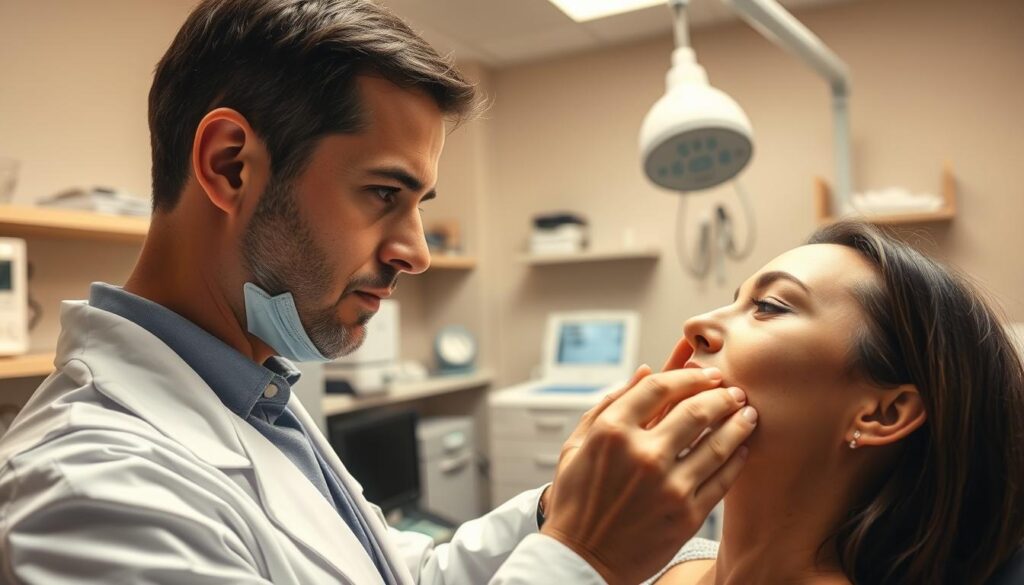
During a visit, the dermatologist inspects your whole skin surface, with extra focus on the face, scalp, ears, neck, and arms. They assess shape and texture, noting pearly or translucent edges, a central dip, fine red vessels, pigment changes, and any crust or bleeding. Lesions are measured, photographed, and mapped in your chart.
Spots that do not heal or bleed with minor friction move to the front of the line. If features match basal cell carcinoma symptoms, a small, numbing shot precedes a quick biopsy. That sample confirms the diagnosis so treatment can start without delay.
Importance of Professional Evaluation
Not all skin cancers look alike. Some patches mimic acne, eczema, or scar tissue, which can hide early signs of basal cell skin cancer. A trained eye can tell a benign bump from a lesion that needs testing, making a clinic visit the best way to detect basal cell skin cancer.
Early evaluation shortens time to care and protects healthy tissue. Clear guidance on monitoring, sun safety, and follow-up supports you beyond the first exam, especially if new changes appear or prior sites evolve.
Diagnostic Methods for Basal Cell Carcinoma
Accurate diagnosis starts with a focused skin exam and clear notes on lesion size, borders, and texture. This documentation, combined with an understanding of basal cell carcinoma signs and symptoms, guides the next steps and helps determine the best way to detect basal cell skin cancer in each case.
Clinicians compare visible changes with recorded history, including any basal cell cancer symptoms and signs such as a pearly bump, a nonhealing spot, or a scar-like patch. These details support a targeted plan for sampling and, when needed, imaging.
Skin Biopsy Techniques
A biopsy confirms the diagnosis and subtype, which can include nodular, superficial, pigmented, or morpheaform patterns. This step is the best way to detect basal cell skin cancer with certainty and to match treatment to tumor behavior.
- Shave biopsy: Often used for raised or superficial lesions; removes a thin layer for quick histology.
- Punch biopsy: Samples deeper tissue to assess infiltration when borders look ill-defined.
- Excisional biopsy: Removes the entire small lesion when complete removal is feasible and helps stage depth and margins.
Pathology links the tissue findings to basal cell carcinoma signs and symptoms seen on the skin. Clear reporting of subtype and margin status informs surgical planning and follow-up.
Imaging Tests for Staging
Imaging is not routine for typical, localized lesions because spread is uncommon. When a tumor is large, recurrent, or shows aggressive features, CT or MRI may be ordered to evaluate deeper invasion and support operative mapping.
These scans complement the clinical picture, especially when basal cell cancer symptoms and signs suggest bone, nerve, or sinus involvement. Used this way, imaging refines the best way to detect basal cell skin cancer progression and to plan precise care.
Treatment Options for Basal Cell Skin Cancer
Prompt care starts once a dermatologist confirms the diagnosis. Understanding choices helps you act on basal cell carcinoma symptoms without delay. When basal cell carcinoma signs and symptoms are addressed early, outcomes are often excellent and scarring can be minimized.
Pay attention to basal cell skin cancer warning signs such as a pearly bump, a nonhealing sore, or a scar-like patch. Bringing these changes to a medical visit leads to targeted treatment that fits your skin type, tumor size, and location.
Surgical Procedures
Standard excision removes the tumor with a measured margin of normal skin. When fully cleared, cure rates are high, and many patients need only local anesthesia. This method suits a wide range of tumors on the trunk and limbs.
Mohs micrographic surgery examines the edges in real time. It preserves healthy tissue while offering the highest cure rates, especially on the face, ears, and nose. Mohs is often chosen for recurrent tumors or aggressive subtypes.
Curettage and electrodesiccation can be used for small, low-risk superficial or nodular lesions in areas where a small scar is acceptable. It is a quick office procedure and may be repeated if needed.
Discuss how your basal cell carcinoma symptoms relate to tumor behavior. Clear mapping of basal cell carcinoma signs and symptoms helps your surgeon select the procedure with the best balance of control and cosmetic result.
Non-Surgical Treatments
Topical therapies, such as prescription creams used for superficial disease, allow treatment without incisions. They may suit patients who prefer a noninvasive approach for carefully selected lesions.
Photodynamic therapy uses a light-sensitizing agent and a specific light source to destroy cancer cells. Superficial radiation therapy can be considered when surgery is not ideal due to health, location, or patient preference.
Targeted or systemic therapies are reserved for advanced or inoperable cases. These options are considered when basal cell skin cancer warning signs have been present for a long time or when multiple treatments have failed.
Track any new or changing spots and share a clear history of basal cell carcinoma signs and symptoms with your care team. Early action on basal cell carcinoma symptoms lowers the chance of local tissue damage and reduces the risk of needing more complex care later.
Preventive Measures to Reduce Risk
Daily sun-smart habits lower exposure that can drive early signs of basal cell cancer. Paying attention to basal cell skin cancer warning signs during routine checks helps you act fast if you notice basal cell carcinoma early symptoms.
Effective Sunscreen Use
Choose a broad-spectrum SPF 30 or higher and apply it year-round. Use a generous layer on the face, ears, neck, arms, and legs. Reapply every two hours, and after swimming or sweating.
Avoid tanning beds because they emit carcinogenic UV radiation. Stay out of direct sun from 10 a.m. to 4 p.m. These habits reduce damage that can precede early signs of basal cell cancer and other basal cell skin cancer warning signs.
Protective Clothing and Accessories
Wear dark, tightly woven long sleeves and pants for better coverage. Pick a broad-brimmed hat to shield your face, ears, and neck. Add UV-blocking sunglasses that protect against both UVA and UVB.
Dermatologists often recommend certified sun-protective brands. Combine clothing with sunscreen and regular skin self-exams to catch basal cell carcinoma early symptoms while they are small and easier to address.
Make self-checks a routine: scan your face, scalp, neck, trunk, arms, hands, legs, feet (including soles and between toes), and the genital and buttock area with a mirror. Report changes promptly to a board-certified dermatologist.
| Strategy | What to Do | Why It Helps |
|---|---|---|
| Sunscreen | Broad-spectrum SPF 30+, reapply every 2 hours and after water or sweat | Cuts UVA/UVB exposure linked to early signs of basal cell cancer |
| Time of Day | Seek shade from 10 a.m.–4 p.m. | Lowers peak UV dose that can trigger basal cell skin cancer warning signs |
| Clothing | Dark, tightly woven long sleeves and pants | Physical barrier that reduces cumulative UV damage |
| Head and Eyes | Broad-brimmed hat and UVA/UVB-blocking sunglasses | Shields high-risk areas like ears, nose, and eyelids |
| Self-Exams | Monthly checks with mirrors, note new or changing spots | Improves detection of basal cell carcinoma early symptoms |
| Indoor UV Avoidance | Skip tanning beds | Prevents intense artificial UV that accelerates skin injury |
Education and Awareness Initiatives
Public education helps people spot early changes on their skin and act fast. Clear visuals and plain language make the signs of basal cell skin cancer easier to recognize at home. Efforts should highlight what to look for and when to book a skin check.
Key message: Learn the basal cell cancer symptoms and signs that often appear on the face, scalp, neck, chest, and hands. Watch for nonhealing sores, translucent or pearly bumps, shiny pink or red spots, raised edges with a dip in the center, and flat pale or yellow scar-like patches.
Community Health Campaigns
Local programs can pair free skin screenings with short classes on UV safety. They can show real images of basal cell carcinoma signs and symptoms across different skin tones. This helps people match what they see on their skin to known patterns.
- Promote midday sun precautions, shade, and wide-brim hats.
- Teach monthly self-exams and yearly dermatologist visits for high-risk groups.
- Explain risks from tanning beds and severe sunburns in easy steps.
- Use checklists that name basal cell cancer symptoms and signs to guide self-inspection.
Clinic partners and school districts can share take-home cards that outline the signs of basal cell skin cancer. Simple reminders keep the topic top of mind and prompt earlier appointments.
The Role of Social Media
Social platforms can amplify timely alerts during peak UV months. Short posts can feature side-by-side images that show how basal cell carcinoma signs and symptoms may differ on lighter and darker skin. Captions should encourage prompt care for any spot that bleeds or will not heal.
- Run weekly “spot check” prompts with clear photos and plain captions.
- Use stories and reels to show how to perform a quick self-exam in under two minutes.
- Share expert quotes that list basal cell cancer symptoms and signs without jargon.
- Pin posts that summarize the signs of basal cell skin cancer for easy reference.
| Initiative | Core Focus | Audience | Practical Takeaway |
|---|---|---|---|
| Pop-up Screening Days | Free checks and teaching on UV risks | Outdoor workers, beachgoers, athletes | Schedule yearly exams; avoid midday sun; note nonhealing sores |
| School & Workplace Workshops | Basics of lesion recognition and sun safety | Teens, staff, parents | Identify shiny bumps and scar-like patches; use SPF daily |
| Social Media Series | Visuals of basal cell carcinoma signs and symptoms | General public | Compare your spots; seek care for bleeding or recurring areas |
| Community Toolkits | Flyers with basal cell cancer symptoms and signs | Community centers and clinics | Follow a monthly self-exam checklist; track changes with photos |
| Seasonal UV Alerts | Peak sun reminders and prevention tips | Families and older adults | Reapply sunscreen; wear protective clothing; watch for signs of basal cell skin cancer |
Myths and Misconceptions About Basal Cell Carcinoma
Misunderstandings can delay care, even when basal cell carcinoma early symptoms are visible. Knowing the real basal cell skin cancer warning signs helps you act fast and see a dermatologist for confirmation.
Common Misunderstandings
- BCC isn’t serious. While it rarely spreads, it can erode skin, cartilage, and bone if ignored. Nonhealing sores, pearly bumps, and scar-like patches are skin cancer symptoms basal cell patients often overlook.
- Only fair skin is at risk. People with darker skin can get BCC. Lesions may look darker with rolled edges, so watch for basal cell skin cancer warning signs across all skin tones.
- If it doesn’t hurt, it’s harmless. Pain is not required. Many basal cell carcinoma early symptoms are painless, including shiny bumps that bleed or crust.
- If a sore heals once, it’s fine. A spot that heals, then returns in the same place, is a red flag that fits skin cancer symptoms basal cell patients report.
Clarifying the Truth
Ultraviolet exposure—from midday sun or tanning beds—drives risk. Sunscreen helps, but add shade, UPF clothing, hats, and routine checks to catch basal cell carcinoma early symptoms before they grow.
Not every lesion looks like a textbook photo. Pearly or translucent bumps, flat scaly patches with raised edges, shiny pink growths, or firm scar-like plaques count as basal cell skin cancer warning signs. A biopsy confirms the diagnosis, and early care leads to high cure rates.
For a deeper myth-busting overview supported by dermatology experts, see this guide on common myths about basal cell carcinoma and keep monitoring any changing spot that concerns you.
Living with a Basal Cell Carcinoma Diagnosis
Life after a diagnosis often starts with questions. Strong cure rates with early, appropriate treatment offer real reassurance. Learning to recognize basal cell carcinoma signs and symptoms, tracking changes, and building a support plan help you move forward with clarity.
Emotional Support and Resources
Stress is common after hearing the word “cancer.” Counseling, either one-on-one or in small groups, can steady sleep, mood, and focus. Patient communities through national cancer organizations and leading health systems give space to share day-to-day wins and setbacks.
Reliable education from the American Cancer Society, Cleveland Clinic, and major academic centers explains basal cell cancer symptoms and signs in plain language. Clear guides on treatment choices, wound care, and sun safety make it easier to act on your plan.
As you learn, keep notes on early signs of basal cell cancer, such as new pearly bumps, slow-growing patches, or nonhealing sores. Bringing a short list of questions to each visit can make conversations more productive and reduce worry.
Follow-up Care and Monitoring
People who have had one tumor face a higher risk of another. Dermatology follow-up usually includes periodic full-skin exams, with timing based on tumor risk and treatment type. Your clinician may adjust the schedule if new findings appear.
Between visits, do monthly self-checks under bright light. Watch prior treatment sites and note basal cell carcinoma signs and symptoms that change in color, size, or texture. Report any nonhealing sore or bleeding spot promptly, since early signs of basal cell cancer are easiest to treat.
Daily protection matters. Use broad-spectrum sunscreen, wear hats and UV-blocking clothing, and avoid tanning beds. These habits support healing, reduce future basal cell cancer symptoms and signs, and help you stay engaged in long-term skin health.
Resources for Patients and Caregivers
Reliable guidance helps you spot basal cell carcinoma early symptoms, plan next steps, and support loved ones. The sources below explain the signs of basal cell skin cancer and clarify what to ask at your next dermatology visit. Each offers plain-language details on basal cell carcinoma symptoms and care pathways.
Support Groups and Organizations
The American Cancer Society publishes medically reviewed information on warning signs, when to see a doctor, and treatment basics, updated by physicians and oncology nurses. The National Comprehensive Cancer Network shares best-practice guidance used by clinics across the United States. These resources help you compare basal cell carcinoma early symptoms with what you see on your skin and prepare questions for your care team.
Major health systems such as Cleveland Clinic offer patient-friendly overviews on what BCC is, treatment choices, and follow-up. Their pages stress early evaluation of new lesions and practical steps to avoid UV exposure. Reading these summaries can make the signs of basal cell skin cancer easier to recognize in daily life.
Educational Materials Available
The National Cancer Institute’s Skin Cancer Prevention PDQ explains risk reduction, sun safety, and the role of routine checks. Mayo Clinic provides clear descriptions of basal cell carcinoma symptoms across different skin tones, with photos and prevention tips that fit into everyday routines. These materials can help you track changes and note basal cell carcinoma early symptoms before your next appointment.
For quick reference, print or save symptom checklists that outline nonhealing sores, pearly bumps, and scar-like patches. Use them to compare the signs of basal cell skin cancer over time and to share accurate details with your dermatologist. This habit supports timely care and a clearer understanding of basal cell carcinoma symptoms.
Seeking Second Opinions
When skin changes raise concern, a second opinion can clarify the diagnosis and the plan. If you notice basal cell skin cancer warning signs or have questions after a biopsy, another expert review may help you feel confident before treatment begins.
Consider this step if a lesion is large, has come back, looks scar-like, or sits on the nose, eyelids, ears, or central face. These scenarios often need precise care. Many patients also seek input when basal cell carcinoma signs and symptoms seem to conflict with the initial report, or when options are unclear.
When to Consider Additional Consultations
Ask for a second opinion after any nonhealing, bleeding, or changing spot is biopsied. Request a pathology review and discuss the exact subtype—nodular, superficial, pigmented, or morpheaform—since this guides the best way to detect basal cell skin cancer spread and choose therapy.
For high‑risk cases, a consultation with a fellowship‑trained Mohs surgeon can improve margin control and spare healthy tissue. This is especially useful for aggressive or ill‑defined tumors and cosmetically sensitive areas. Clear answers about cure rates, scarring, and downtime can shape the decision you make.
Navigating the Healthcare System
Use your health plan portal to secure timely dermatology referrals and upload images of new or changing spots. Keep biopsy reports, photos, and medication lists in one place so each clinician sees the same record of basal cell carcinoma signs and symptoms.
Before appointments, prepare focused questions: what are the margins, what subtype was found, and what is the next step if the lesion returns? National cancer groups offer checklists that help you organize priorities and understand the best way to detect basal cell skin cancer during follow‑up exams.
| Reason to Seek Another Opinion | What to Ask | Specialist to Consider | How It Helps |
|---|---|---|---|
| Large, recurrent, or scar‑like lesion | Is the subtype aggressive? Are margins clear? | Fellowship‑trained Mohs surgeon | Maximizes cure while preserving tissue |
| Face, nose, eyelids, or ears involved | What approach limits scarring and distortion? | Mohs surgeon; reconstructive dermatologist | Precise removal with tailored repair |
| Unclear or conflicting pathology | Can a dermatopathologist re‑read the biopsy? | Dermatopathology review | Confirms diagnosis and guides next steps |
| New basal cell skin cancer warning signs after treatment | Is this recurrence or a new primary lesion? | Dermatologist experienced in surveillance | Targets early changes and prevents delays |
| Multiple treatment options offered | How do cure rates and risks compare? | Multidisciplinary clinic | Aligns care with goals and lifestyle |
Conclusion: Stay Vigilant and Informed
Basal cell carcinoma is common, treatable, and often subtle at first. Regular self-checks and routine dermatologist visits help you catch basal cell carcinoma early symptoms before they spread deeper. Scan sun-exposed areas, but do not skip your scalp, soles, between the toes, and the genital and buttock regions. Use a mirror and good light to note any new or changing spot.
The Importance of Regular Skin Checks
Know the key basal cell cancer symptoms and signs. Watch for translucent pearly bumps, pink growths with a raised rim and a dip in the center, flat scaly patches with a lifted border, scar-like white or yellow areas, and any sore that will not heal or keeps returning. These skin cancer symptoms basal cell can be small and slow-growing, so a monthly head-to-toe check matters.
Encouragement to Seek Medical Advice
If a spot looks new, changes, bleeds, or persists, book a skin exam. Early evaluation by a board-certified dermatologist and a biopsy when needed often leads to simple, effective care and an excellent outlook. Keep protecting your skin: avoid peak sun, use SPF 30+ broad-spectrum sunscreen, wear long sleeves, a wide-brim hat, and UV-blocking sunglasses, and skip tanning beds. Stay alert to basal cell carcinoma early symptoms, act quickly, and make skin checks part of your routine.
