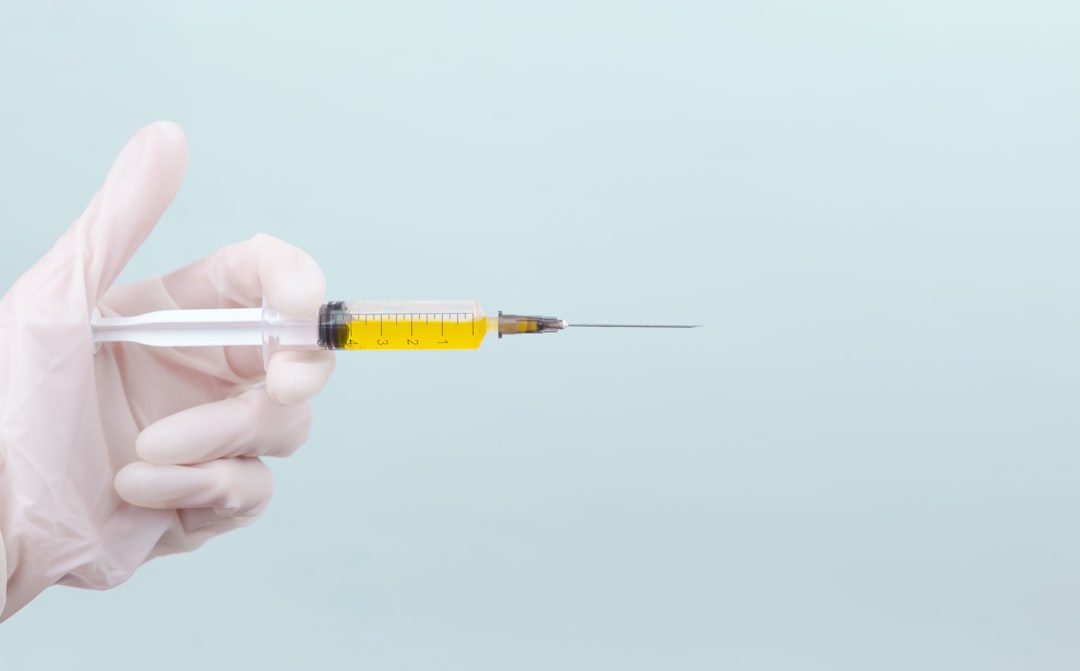
As I delve into the topic of a downturned mouth, I find it fascinating how this subtle feature can significantly impact one’s overall appearance and emotional expression. A downturned mouth, often characterized by the corners of the lips pointing downward, can create an impression of sadness or displeasure, even when one is feeling neutral or happy. This phenomenon is not merely a cosmetic concern; it can affect self-esteem and how others perceive us.
I’ve noticed that many people with this feature often feel misunderstood, as their facial expressions do not accurately reflect their inner emotions. The causes of a downturned mouth can vary widely. For some, it may be a genetic trait inherited from family members, while for others, it could be the result of aging, where the skin loses elasticity and volume.
Additionally, habitual facial expressions and lifestyle factors can contribute to this appearance. I’ve come to understand that the downturned mouth can be a source of frustration for many individuals, leading them to seek solutions that can help restore a more neutral or uplifting expression. Recognizing the emotional weight that this feature carries is essential in understanding why many are eager to explore options for correction.
Key Takeaways
- A downturned mouth is characterized by the corners of the mouth turning downward, giving a sad or angry appearance.
- Botox can help reverse a downturned mouth by relaxing the muscles that pull the corners of the mouth downward.
- The Botox procedure for a downturned mouth is quick and relatively painless, with minimal downtime.
- Potential side effects of Botox for a downturned mouth may include temporary bruising or swelling at the injection site.
- When choosing a provider for Botox treatment for a downturned mouth, it is important to seek out a qualified and experienced medical professional.
How Botox Can Help
When I first learned about Botox as a solution for a downturned mouth, I was intrigued by its versatility. Botox, or botulinum toxin, is primarily known for its ability to reduce the appearance of wrinkles by temporarily paralyzing the muscles responsible for facial expressions. However, its application extends beyond mere wrinkle reduction; it can also be used to lift the corners of the mouth.
By strategically injecting Botox into specific muscles around the mouth, I discovered that it can create a more balanced and pleasant appearance. The appeal of using Botox for this purpose lies in its non-invasive nature and relatively quick results. Unlike surgical options that require significant downtime and recovery, Botox treatments can often be completed in a matter of minutes.
I’ve seen firsthand how individuals who undergo this procedure leave the clinic feeling more confident and satisfied with their appearance. The subtle lift achieved through Botox can transform not only how others perceive someone but also how they perceive themselves, fostering a renewed sense of self-esteem.
The Procedure: What to Expect
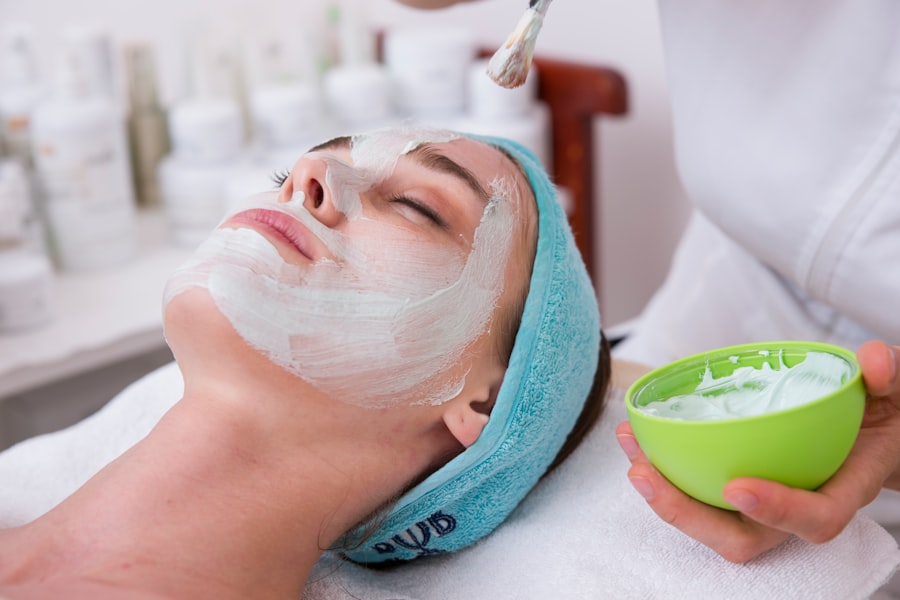
As I prepared for my first Botox treatment, I was filled with both excitement and apprehension. Understanding what to expect during the procedure helped ease my nerves. Typically, the process begins with a consultation where the provider assesses my facial structure and discusses my desired outcomes.
This initial conversation is crucial, as it allows me to express my concerns and expectations while also receiving professional guidance on what is achievable. On the day of the procedure, I was pleasantly surprised by how quick and straightforward it was. After cleansing the area around my mouth, the provider marked specific injection points to ensure precision.
I felt a slight pinch with each injection, but it was far less uncomfortable than I had anticipated. The entire process took less than half an hour, and I was able to return to my daily activities almost immediately. I left the clinic feeling optimistic about the results and eager to see how my appearance would change over the following days.
Potential Side Effects and Risks
| Side Effect | Risk Level |
|---|---|
| Nausea | Low |
| Headache | Medium |
| Dizziness | High |
While Botox is generally considered safe when administered by a qualified professional, I learned that there are potential side effects and risks associated with the treatment. Common side effects include temporary bruising, swelling, or redness at the injection site. In my case, I experienced mild swelling that subsided within a few hours, which was reassuring to know is typical for many individuals.
More serious risks, although rare, can include asymmetry in facial expressions or drooping of the mouth if the injections are not placed correctly. This possibility made me realize the importance of choosing an experienced provider who understands facial anatomy well. It’s essential to have an open dialogue with my provider about any concerns I may have regarding side effects or complications.
Being informed about these risks allowed me to approach the procedure with a balanced perspective, weighing the potential benefits against any possible drawbacks.
Choosing the Right Provider
Selecting the right provider for Botox treatment is a critical step in ensuring a positive experience and satisfactory results.
It’s essential to seek out someone who is not only licensed but also has extensive experience specifically in administering Botox for cosmetic purposes.
I found that reading reviews and testimonials from previous patients helped me gauge the provider’s reputation and skill level. Additionally, scheduling a consultation allowed me to assess their approach and communication style. A good provider should be willing to answer all my questions and address any concerns I may have about the procedure.
Trusting my provider was paramount; after all, they would be responsible for enhancing my appearance and ensuring my safety throughout the process.
Aftercare and Follow-Up
After undergoing Botox treatment for my downturned mouth, I was pleasantly surprised by how straightforward the aftercare instructions were. My provider emphasized avoiding strenuous exercise and excessive sun exposure for at least 24 hours post-treatment to minimize any potential side effects. I appreciated this guidance as it allowed me to take proactive steps in caring for myself after the procedure.
In addition to these precautions, I was advised to avoid touching or massaging the treated area for several hours to ensure that the Botox settled properly into the targeted muscles. Following these aftercare instructions diligently helped me feel more confident about achieving optimal results. A follow-up appointment was scheduled for two weeks later to assess how well the treatment worked and whether any touch-ups were necessary.
This follow-up was an essential part of the process, as it provided an opportunity to discuss my satisfaction with the results and make any adjustments if needed.
Long-Term Results
As I observed the results of my Botox treatment over time, I was amazed at how subtle yet impactful the changes were. The corners of my mouth appeared lifted, creating a more approachable and friendly expression that aligned better with my inner feelings. The effects of Botox typically last between three to six months, depending on individual factors such as metabolism and muscle activity.
I found that many individuals who undergo Botox treatments develop a routine around their maintenance sessions. As I became accustomed to this new aspect of self-care, I began to appreciate not only the aesthetic benefits but also the boost in confidence that came with it.
The long-term results of Botox can lead to a more positive self-image and improved interactions with others, reinforcing the idea that our appearance can significantly influence our emotional well-being.
Alternatives to Botox for Reversing a Downturned Mouth
While Botox has proven effective for many individuals seeking to address a downturned mouth, I discovered that there are alternative treatments available as well. One popular option is dermal fillers, which can add volume to specific areas around the mouth, helping to lift and reshape its appearance. Fillers work by plumping up the skin and providing support to sagging areas, offering a different approach than Botox’s muscle-relaxing properties.
Another alternative is surgical options such as lip lifts or facelifts, which provide more permanent solutions but come with longer recovery times and greater risks. For those who prefer non-invasive methods, facial exercises or facial yoga may help strengthen muscles around the mouth over time, although results may vary significantly from person to person. Ultimately, exploring these alternatives allowed me to appreciate the variety of options available for addressing a downturned mouth.
Each individual’s needs and preferences are unique; therefore, it’s essential to consider all available treatments before making a decision. Whether opting for Botox or exploring other avenues, what matters most is finding a solution that aligns with one’s personal goals and enhances overall well-being.
Botox is a popular cosmetic treatment used to address various facial concerns, including a downturned mouth. This procedure can help lift the corners of the mouth, creating a more youthful and pleasant expression. For those considering this treatment, it’s essential to understand the broader impacts of Botox on one’s self-image and confidence. An insightful article that delves into this topic is available at Premier Medical Care. You can read more about how Botox treatment can influence self-esteem by visiting this article. Understanding the psychological benefits of Botox can be just as important as the physical improvements it offers.
FAQs
What is Botox for downturned mouth?
Botox for downturned mouth is a cosmetic procedure that involves injecting Botox into the muscles around the mouth to lift the corners of the mouth and create a more youthful and uplifted appearance.
How does Botox for downturned mouth work?
Botox works by temporarily paralyzing the muscles around the mouth, which can help to reduce the appearance of a downturned mouth and create a more lifted and youthful look.
What are the potential benefits of Botox for downturned mouth?
The potential benefits of Botox for downturned mouth include a more uplifted and youthful appearance, improved self-confidence, and a reduction in the appearance of fine lines and wrinkles around the mouth.
What are the potential risks and side effects of Botox for downturned mouth?
Potential risks and side effects of Botox for downturned mouth may include temporary bruising, swelling, or redness at the injection site, as well as the possibility of an uneven or unnatural appearance if not performed by a skilled and experienced injector.
How long does Botox for downturned mouth last?
The effects of Botox for downturned mouth typically last for 3-4 months, after which the procedure may need to be repeated to maintain the desired results.
Who is a good candidate for Botox for downturned mouth?
Good candidates for Botox for downturned mouth are generally in good overall health and have realistic expectations for the outcome of the procedure. It is important to consult with a qualified and experienced injector to determine if Botox for downturned mouth is the right option for you.
