Table of Contents
If you’ve ever experienced flaky skin between your toes, you know how uncomfortable and bothersome it can be. This common condition, often accompanied by itching and peeling, can lead to discomfort and self-consciousness. Fortunately, understanding the causes and treatments can help you find relief and restore the health of the skin between your toes.
In this comprehensive guide, we will explore the symptoms, causes, and potential treatment options for flaky skin between the toes. Whether you’re dealing with a fungal infection or another underlying condition, this article will provide the necessary information to help you effectively manage this skin concern.
Key Takeaways:
- Flaky skin between your toes can be caused by various factors, including fungal infections, skin conditions, and other underlying issues.
- Symptoms of flaky skin between the toes often include itching, peeling, and discomfort.
- Treatment options for flaky skin between the toes may include over-the-counter antifungal creams, proper hygiene practices, and seeking medical help for severe or persistent cases.
- Prevention plays a crucial role in managing flaky skin between your toes, including keeping your feet clean and dry, wearing breathable socks, and avoiding walking barefoot in public areas.
- Flaky skin between the toes can be connected to other areas of the body affected by similar conditions, such as the sole or sides of the feet.
Understanding Flaky Skin Between the Toes peeling
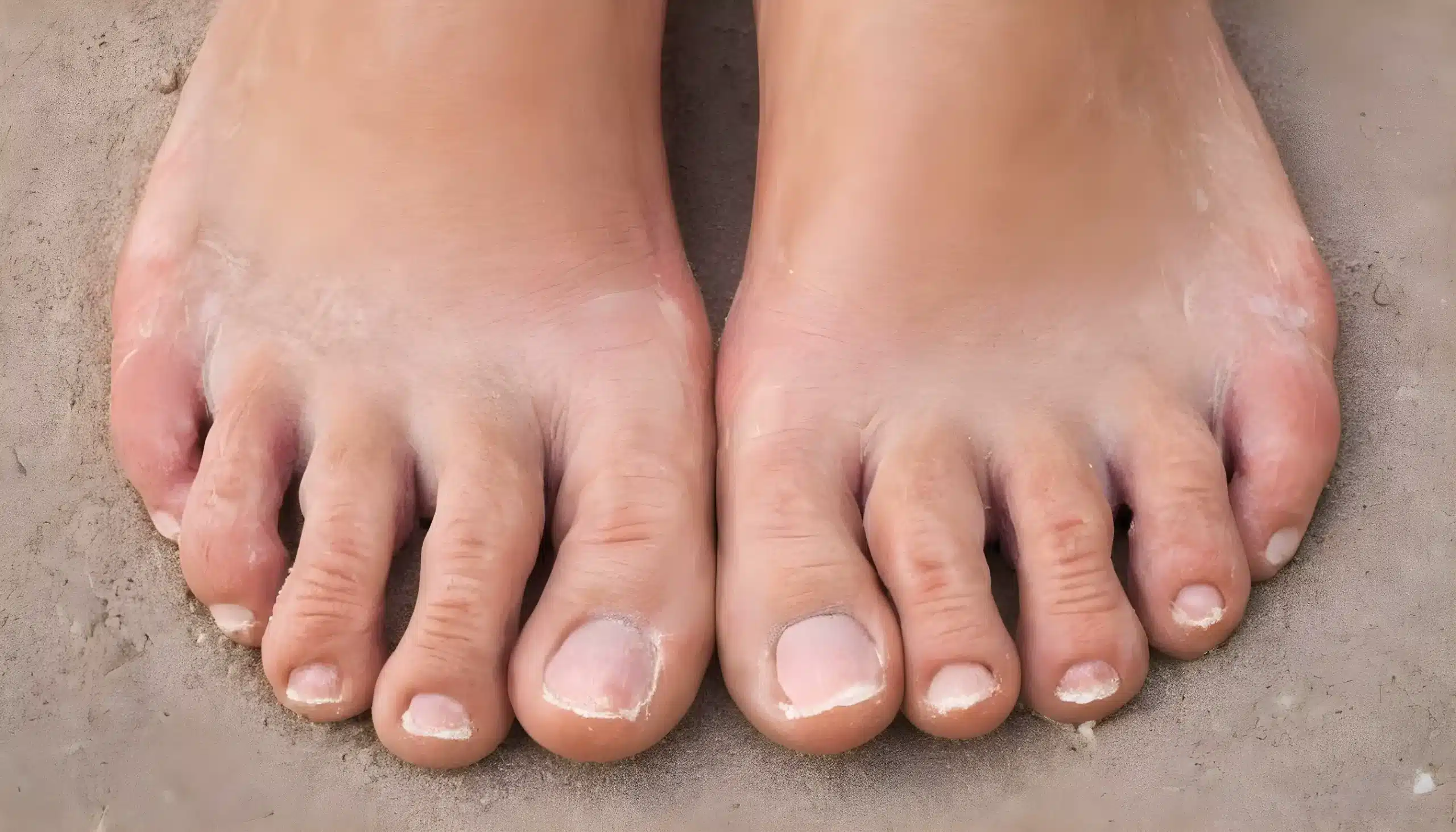
Flaky skin between the toes can be an uncomfortable and frustrating condition. It often presents with symptoms such as itchiness and peeling skin in the area between your toes. Understanding the symptoms and causes of this condition is essential for proper treatment and prevention.
Symptoms of Flaky Skin Between the Toes
The most common symptom of flaky skin between your toes is itchiness. This itchiness may be accompanied by redness and inflammation. As the condition progresses, the skin in this area may start to peel, resulting in flaky and dry patches.
Causes of Flaky Skin Between the Toes
There are several causes that can lead to flaky skin between the toes. One of the most common causes is fungal infections, such as athlete’s foot. Fungi thrive in warm and moist environments, making the skin between the toes an ideal breeding ground. Other causes can include skin conditions like eczema or dermatitis.
In addition, poor foot hygiene can contribute to the development of flaky skin between the toes. Keeping your feet clean and dry can help prevent the buildup of sweat and moisture, reducing the risk of fungal growth.
| Causes | Symptoms |
|---|---|
| Fungal infections | Itchiness, redness, peeling skin |
| Skin conditions (eczema, dermatitis) | Itchiness, flaky skin, inflammation |
| Poor foot hygiene | Buildup of sweat and moisture, increased risk of fungal growth |
By understanding the symptoms and causes of flaky skin between the toes, you can take necessary precautions and seek appropriate treatments. In the next section, we will explore fungal infections and their link to peeling skin between the toes.
Fungal Infections (tinea pedis) and Peeling Between Your Toes
Fungal infections are a common cause of flaky skin between your toes. One specific fungal infection that commonly affects the feet is tinea pedis, more commonly known as athlete’s foot. This condition often leads to itchy and peeling skin, causing discomfort and irritation.
Athlete’s foot is a contagious condition that is caused by a fungal overgrowth. The fungus thrives in warm and moist environments, making the area between the toes an ideal breeding ground. It can spread from person to person through direct contact or by coming into contact with contaminated surfaces, such as gym floors or locker room surfaces.
Symptoms of athlete’s foot include:
- Itchy skin between the toes
- Peeling or flaky skin
- Redness and inflammation
- Blisters or ulcers
It is important to treat athlete’s foot promptly to avoid further complications and prevent the infection from spreading to other parts of the foot or body. Fortunately, there are effective antifungal treatments available that can help alleviate symptoms and eliminate the infection.
Antifungal creams and powders are commonly used to treat athlete’s foot. They work by targeting the underlying fungal infection, killing the fungus and preventing its growth. It is important to apply these treatments as directed and continue using them for the recommended duration, even if symptoms improve, to ensure complete eradication of the fungus.
In more severe cases or when the infection has spread to the toenails, oral antifungal medications may be prescribed by a healthcare professional. These medications are more potent and can target the fungus internally, aiding in the treatment of the infection.
In addition to antifungal treatments, there are several measures you can take to prevent fungal infections and reduce the likelihood of flaky skin between your toes:
- Keep your feet clean and dry, especially after activities that cause perspiration.
- Avoid walking barefoot in public areas, such as locker rooms and communal showers.
- Wear breathable socks made of natural materials, like cotton or wool, to allow air circulation.
- Choose shoes that provide adequate ventilation and moisture-wicking properties.
- Avoid sharing towels, socks, or shoes with others to minimize the risk of infection.
By following these preventive measures and seeking prompt treatment for fungal infections, you can keep your feet healthy and free from the discomfort of flaky skin between your toes.
Other Possible Causes of Flaky Skin Between the Toes
Flaky skin between your toes can be caused by various factors beyond fungal infections. Understanding these potential causes is crucial for accurate diagnosis and effective treatment. In this section, we will explore other conditions that can lead to flaky and peeling skin between the toes, including cellulitis, ringworm, jock itch, scaly rash, and skin damage.
Cellulitis
Cellulitis is a bacterial skin infection that can affect any part of the body, including the toes. It occurs when bacteria enter the skin through a crack or break, causing redness, swelling, warmth, and tenderness. In severe cases, cellulitis can lead to flaky skin between your toes. read more
Ringworm
Ringworm, also known as tinea corporis, is a common fungal infection that can affect the skin. It causes a red, circular rash with distinct edges, which may be accompanied by itching and flaking. Ringworm can develop between the toes, leading to flaky skin in this area.
Jock Itch
Jock itch, medically known as tinea cruris, is a fungal infection that primarily affects the groin area but can also spread to the toes. It causes a rash with a scaly appearance, itching, and flaking. If left untreated, jock itch can lead to flaky skin between your toes.
Scaly Rash
A scaly rash between the toes can be caused by various skin conditions, such as psoriasis or eczema. These conditions can lead to dry, irritated, and flaky skin in the affected area. Proper diagnosis by a healthcare professional is essential for appropriate treatment.
Skin Damage
In some cases, flaky skin between the toes may be a result of skin damage caused by friction, excessive moisture, or harsh chemicals. These factors can disrupt the natural protective barrier of the skin, leading to dryness, flaking, and peeling. Proper foot care and avoiding irritants can help prevent and alleviate this condition.
Preventing and Treating Flaky Skin Between Your Toes
Flaky skin between the toes can be uncomfortable and bothersome. However, with proper prevention and treatment methods, you can keep your feet clean, dry, and free from infection. Here are some practical tips and guidelines to help you prevent and treat flaky skin between your toes:
- Keep your feet clean and dry: Regularly wash your feet with mild soap and warm water. After washing, make sure to thoroughly dry your feet, especially between the toes. Moisture can create an ideal environment for fungal growth, so keeping your feet dry is crucial.
- Avoid moist areas: Moist and damp areas like public showers, locker rooms, and saunas are breeding grounds for fungi. Whenever possible, wear flip-flops or waterproof sandals to protect your feet and avoid direct contact with these moist areas.
- Use over-the-counter antifungal creams: If you notice any signs of flaky skin between your toes, consider using over-the-counter antifungal creams. These creams are designed to combat fungal infections and can help relieve itching, peeling, and inflammation.
- Wear breathable socks and shoes: Choose breathable footwear made from natural materials like cotton or leather. These materials allow better air circulation, reducing the risk of excessive moisture buildup. Additionally, wear moisture-wicking socks that help keep your feet dry throughout the day.
- Rotate your shoes: Wearing the same pair of shoes every day can contribute to moisture buildup. Rotate your shoes and allow them to fully dry out between uses to prevent fungal growth.
By following these preventive measures and incorporating antifungal creams into your routine, you can effectively treat and manage flaky skin between your toes. Remember, if the condition persists or worsens, it is recommended to consult a healthcare professional for further evaluation and treatment.
When to Seek Medical Help for peeling skin
If you are experiencing flaky skin between your toes, it is important to understand when it is necessary to seek medical attention. While mild cases can often be treated at home with over-the-counter remedies, there are situations where professional diagnosis and treatment are essential.
In severe cases where the flaky skin between your toes is persistent, worsening, or causing significant discomfort, it is recommended to consult a healthcare professional. They can assess the condition and provide appropriate treatment options to address the underlying cause.
If the flaky skin between your toes is spreading to other parts of your body, it may indicate a more severe infection or skin condition. In these instances, seeking medical help is crucial to prevent further spread and complications.
Professional diagnosis is particularly important if the affected skin appears infected, with signs such as redness, warmth, swelling, or excessive pain. Infected skin requires proper medical evaluation and may require prescription medications or procedures to promote healing.
It’s important to remember that the skin between your toes is connected to other parts of your body. If left untreated, flaky skin and underlying conditions can also spread to other areas such as the soles of your feet, toenails, or even other parts of your body. Seeking medical help can help prevent further complications and ensure appropriate treatment.
In summary, if you are experiencing severe cases of flaky skin between your toes, if the condition is spreading to other parts of your body, or if you suspect an infection, it is advisable to seek medical help. A healthcare professional can accurately diagnose the underlying cause and provide the necessary treatment to promote healing and prevent further spread of the condition.
Flaky Skin Between the peeling Toes and Other Body Parts
Flaky skin between the toes is not an isolated issue; it can often be connected to similar conditions affecting other parts of the body. The same fungus that causes flaky skin between the toes can thrive and grow in other areas, leading to peeling or itching skin elsewhere.
One such area is the sole of the foot. As we walk or stand, the skin on our feet can become dry and calloused, creating an ideal environment for the fungus to thrive. This can result in peeling skin on the sole of the foot, causing discomfort and potential further irritation.
Additionally, the sides of the feet are another susceptible area. When there is excessive moisture or friction, such as from tight shoes or sweaty socks, the skin on the sides of the feet can become irritated and prone to peeling. The same fungus that affects the skin between the toes can easily spread to these areas and exacerbate the condition.
It’s important to understand that the fungus that causes flaky skin between the toes can also affect other parts of your body. The warm and moist environment created by sweat and skin cells is ideal for the growth of this fungus. Therefore, it can potentially spread to other parts of your body, such as the groin area, resulting in conditions like jock itch. It is crucial to address the issue promptly to prevent further spreading and discomfort.
In summary, flaky skin between the toes is not an isolated condition. The same fungus that causes peeling and itching in that area can thrive and spread to other parts of the foot and body, leading to similar symptoms elsewhere. It’s important to treat the underlying fungal infection and take proper precautions to prevent the spread of the fungus and maintain overall skin health.
Flaky Skin Between the Toes: Prevention Tips
Protecting your feet is key to maintaining healthy skin between the toes. Follow these prevention tips to avoid potential infections and irritations:
- Avoid walking barefoot in public areas, such as public showers, swimming pools, and locker rooms. Wearing shoes or sandals can help protect your feet from coming into direct contact with fungus or bacteria.
- Opt for breathable cotton or wool socks instead of synthetic materials. Cotton and wool allow your feet to breathe and reduce the risk of moisture build-up, which can contribute to fungal growth.
- Ensure your socks and shoes are clean and dry before wearing them. Damp or sweaty socks can create a moist environment that promotes fungal growth. Make sure to change your socks regularly, especially if your feet are prone to sweating.
- Avoid wearing tight or ill-fitting shoes that can cause friction and lead to skin irritation. Opt for shoes with enough room for your toes to move freely and avoid excess pressure on the skin.
- After washing your feet, dry them thoroughly, paying close attention to the spaces between your toes. Moisture trapped between the toes can create an ideal environment for bacterial or fungal growth.
By incorporating these prevention tips into your daily routine, you can protect your feet and reduce the risk of developing flaky skin between the toes.
Conclusion
Flaky skin between your toes is a common issue that can be caused by athlete’s foot, a fungal infection. Recognizing the symptoms of athlete’s foot, such as flaking and peeling skin between the toes, is crucial in order to seek appropriate treatment.
If you have flaky skin between your toes, it is important to address it promptly to prevent the infection from spreading or worsening. The good news is that athlete’s foot is treatable. There are several options available, including over-the-counter antifungal creams, powders, and sprays.
To effectively treat athlete’s foot, it is important to maintain good foot hygiene. Keep your feet clean and dry, especially in moist areas, and avoid walking barefoot in public places. Additionally, wearing breathable socks and shoes made of cotton or wool can help prevent the recurrence of flaky skin between the toes.
FAQ
What are the symptoms and causes of flaky skin between the toes?
Flaky skin between the toes is often accompanied by itching and peeling. Common causes include fungal infections, such as athlete’s foot (tinea pedis), and skin conditions like eczema.
What is athlete’s foot and what are its symptoms?
Athlete’s foot is a common fungal infection that causes flaky and itchy skin between the toes. Symptoms include redness, blisters, and a scaly rash. It can also spread to other parts of the foot or to other people.
How can I prevent and treat flaky skin between my toes?
To prevent flaky skin between your toes, keep your feet clean and dry, especially in moist areas such as locker rooms. Avoid walking barefoot in public places and wear cotton or wool socks. Over-the-counter antifungal creams can help treat the condition. Additionally, washing your feet thoroughly and drying them completely can reduce the risk of fungal infections.
When should I seek medical help for flaky skin between my toes?
If the condition becomes severe, spread to other parts of your body, or does not improve with over-the-counter treatments, it is advisable to seek medical attention. In severe cases, professional diagnosis and treatment may be necessary.
Can flaky skin between the toes affect other parts of the body?
Yes, the same fungus that causes flaky skin between the toes can lead to peeling or itching skin in other areas, such as the soles or sides of the feet. It is important to address the condition early to prevent its spread to other parts of the body.
How can I protect my feet from flaky skin between the toes?
To protect your feet, avoid walking barefoot in public areas like locker rooms or saunas. Wear breathable cotton or wool socks, and dry your feet thoroughly after washing or bathing. These practices can help prevent infections and maintain healthy skin between your toes.
