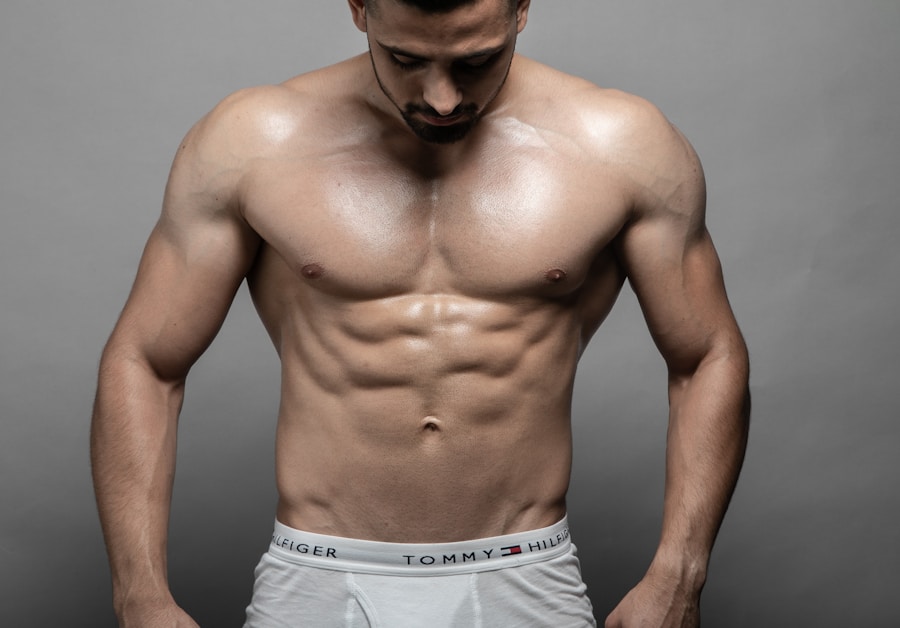
The quest for a strong and defined core has become a central focus for many fitness enthusiasts. A well-developed abdominal region not only enhances physical appearance but also plays a crucial role in overall body strength and stability. The ultimate ab workout typically includes a variety of exercises that target the entire core, including the rectus abdominis, obliques, and transverse abdominis.
Among the most effective exercises for achieving these goals are the plank, Russian twist, and bicycle crunch. Each of these movements offers unique benefits and can be easily integrated into any fitness regimen, whether you are a beginner or an advanced athlete. Incorporating these exercises into your routine can lead to significant improvements in core strength, posture, and athletic performance.
The plank is renowned for its ability to engage multiple muscle groups simultaneously, while the Russian twist focuses on rotational strength, essential for many sports and daily activities. The bicycle crunch, on the other hand, is a dynamic movement that not only targets the abs but also enhances coordination and balance. By understanding the mechanics and benefits of these exercises, individuals can create a comprehensive ab workout that promotes both strength and endurance.
Key Takeaways
- Ultimate ab workout combines plank, Russian twist, and bicycle crunch for a complete core workout
- Plank exercise benefits include improved core strength, stability, and posture
- Proper plank form involves keeping a straight line from head to heels and engaging the core muscles
- Russian twist is done by twisting the torso from side to side while holding a weight for stronger obliques
- Safety tips for Russian twist include keeping the back straight and not using momentum to twist
Benefits of Plank Exercise
The plank exercise is often hailed as one of the most effective core-strengthening movements available. One of its primary benefits is its ability to engage multiple muscle groups at once.
This full-body engagement makes it an efficient exercise for building overall strength and stability. Additionally, because the plank is an isometric exercise, it helps improve endurance in the core muscles, which is essential for maintaining proper posture during various activities. Another significant advantage of incorporating planks into your workout routine is their versatility.
Planks can be modified to suit different fitness levels and can be performed in various positions, such as forearm planks, side planks, or even dynamic variations like plank jacks. This adaptability allows individuals to challenge themselves progressively as they build strength. Furthermore, planks are low-impact exercises that place minimal stress on the joints, making them suitable for individuals recovering from injuries or those looking to avoid high-impact movements.
Proper Form and Technique for Plank
To reap the full benefits of the plank exercise, maintaining proper form is crucial. Begin by positioning yourself face down on a mat or flat surface. Place your forearms on the ground with your elbows directly beneath your shoulders.
Your body should form a straight line from your head to your heels. Engage your core by pulling your belly button towards your spine and squeezing your glutes. It’s essential to avoid letting your hips sag or rise too high; maintaining a neutral spine is key to preventing injury and maximizing effectiveness.
As you hold the plank position, focus on your breathing. Inhale deeply through your nose and exhale through your mouth while keeping your core engaged. Start with shorter durations, such as 20 to 30 seconds, and gradually increase as your strength improves.
To enhance stability, you can also experiment with variations like lifting one leg or arm off the ground while maintaining balance. This not only increases the challenge but also engages additional stabilizing muscles throughout your body.
How to Do Russian Twist for Stronger Abs
| Exercise Variation | Reps | Sets | Rest |
|---|---|---|---|
| Bodyweight Russian Twist | 12-15 | 3-4 | 30-60 seconds |
| Weighted Russian Twist | 10-12 | 3-4 | 30-60 seconds |
| Medicine Ball Russian Twist | 15-20 | 3-4 | 30-60 seconds |
The Russian twist is a powerful exercise that targets the oblique muscles, which are essential for rotational movements and overall core strength. To perform this exercise effectively, begin by sitting on the floor with your knees bent and feet flat on the ground. Lean back slightly while keeping your back straight; this position engages your core muscles right from the start.
For added intensity, you can lift your feet off the ground, balancing on your sit bones. Once in position, clasp your hands together or hold a weight in front of you. Rotate your torso to one side while keeping your hips stable; this movement should come from your core rather than your arms or legs.
As you twist, aim to touch the floor beside you with your hands or weight before returning to the center and twisting to the opposite side. This controlled motion not only strengthens the obliques but also enhances coordination and balance as you engage multiple muscle groups throughout the movement.
Tips for Performing Russian Twist Safely
While the Russian twist is an effective exercise for building core strength, it’s essential to perform it safely to avoid injury. One common mistake is using momentum rather than controlled movement to execute the twists. Focus on engaging your core throughout the exercise rather than relying on swinging your arms or legs.
This will ensure that you are effectively targeting the oblique muscles without straining your back. Additionally, pay attention to your spinal alignment during the exercise. Avoid rounding your back; instead, keep it straight and maintain a neutral spine throughout the movement.
If you experience discomfort in your lower back while performing Russian twists, consider modifying the exercise by keeping your feet on the ground or reducing the range of motion in your twists until you build more strength and stability in your core.
Mastering the Bicycle Crunch for Defined Abs

Targeted Muscles
This dynamic movement targets not only the rectus abdominis but also engages the obliques through its rotational component.
Proper Form
To perform a bicycle crunch, lie flat on your back with your hands placed behind your head and legs lifted off the ground at a 90-degree angle. Begin by bringing one knee towards your chest while simultaneously twisting your torso to bring the opposite elbow towards that knee. It’s important to keep your movements controlled; avoid pulling on your neck with your hands and instead focus on using your core muscles to initiate the movement.
Key Considerations
As you alternate sides in a pedaling motion, ensure that you fully extend each leg while keeping your lower back pressed into the floor to prevent strain.
Common Mistakes to Avoid During Bicycle Crunch
While performing bicycle crunches can be highly beneficial for strengthening the abdominal muscles, several common mistakes can hinder effectiveness and lead to injury. One frequent error is using excessive momentum rather than controlled movements. Rapidly cycling through the exercise may feel easier but diminishes its effectiveness by reducing muscle engagement.
Instead, focus on slow and deliberate movements that emphasize contraction in the abs. Another mistake is neglecting proper spinal alignment during the exercise. Many individuals tend to pull their necks forward or arch their backs excessively while performing bicycle crunches.
This will help maintain proper form and prevent unnecessary strain on both the neck and lower back.
Incorporating Plank, Russian Twist, and Bicycle Crunch into Your Workout Routine
Integrating planks, Russian twists, and bicycle crunches into a comprehensive workout routine can yield impressive results in terms of core strength and definition. A well-rounded approach might involve performing these exercises in a circuit format, allowing for minimal rest between movements to keep heart rates elevated while maximizing muscle engagement. For instance, you could start with a 30-second plank hold followed by 15-20 repetitions of Russian twists and then transition into 15-20 bicycle crunches before resting.
To further enhance effectiveness, consider varying the duration and intensity of each exercise over time. As you build strength and endurance, gradually increase hold times for planks or add weights during Russian twists to challenge yourself further. Additionally, incorporating these exercises into a broader fitness regimen that includes cardiovascular training and resistance workouts will promote overall health and fitness while ensuring balanced development across all muscle groups.
By understanding how to perform each exercise correctly and incorporating them into a structured routine, individuals can achieve their fitness goals more effectively while enjoying a stronger core that supports their overall physical performance in daily life and athletic endeavors alike.
If you’re looking to strengthen your core and improve your overall fitness, incorporating calisthenics workouts into your routine can be highly beneficial. Calisthenics exercises, such as push-ups, planks, and squats, can help build muscle and increase endurance without the need for any equipment. For more information on calisthenics workouts for strength, check out this informative article here.
FAQs
What are the benefits of ab workout exercises?
Ab workout exercises help to strengthen and tone the abdominal muscles, improve posture, and support the spine. They can also help to reduce the risk of lower back pain and improve overall core strength.
What are some effective ab workout exercises?
Some effective ab workout exercises include crunches, planks, Russian twists, bicycle crunches, leg raises, and mountain climbers. These exercises target the rectus abdominis, obliques, and transverse abdominis muscles.
How often should I do ab workout exercises?
It is recommended to do ab workout exercises 2-3 times per week, allowing for rest days in between to allow the muscles to recover. It’s important to also incorporate other types of exercises and a balanced diet for overall fitness and health.
Can ab workout exercises help me get a six-pack?
Ab workout exercises can help to strengthen and tone the abdominal muscles, but achieving a six-pack also depends on genetics, body fat percentage, and overall body composition. Consistent ab workout exercises, combined with a healthy diet and regular cardio exercise, can help to achieve a more defined midsection.
Are ab workout exercises suitable for everyone?
Ab workout exercises can be suitable for most people, but it’s important to consult with a healthcare professional, especially if you have any existing medical conditions or injuries. It’s also important to start with proper form and gradually increase intensity to avoid injury.
