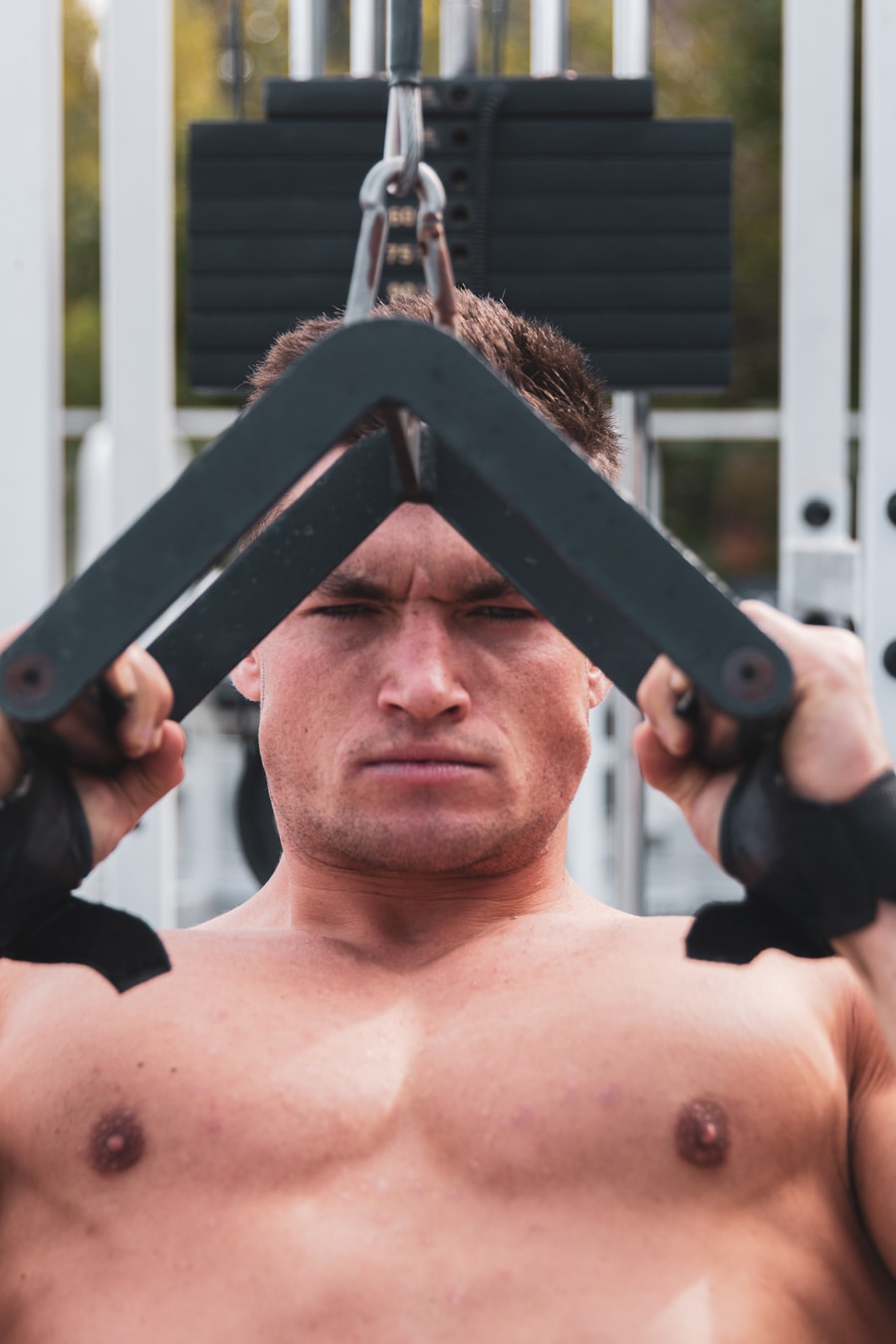
Strong shoulders are a cornerstone of overall upper body strength and functionality. The shoulder joint is one of the most mobile joints in the human body, allowing for a wide range of motion that is essential for various daily activities, from lifting objects overhead to reaching behind the back. This mobility, however, comes with a trade-off; the shoulder joint is also susceptible to injuries if not properly strengthened and conditioned.
Developing strong shoulders not only enhances athletic performance but also contributes to better posture and reduced risk of injury in both recreational and everyday activities. Moreover, strong shoulders play a pivotal role in stabilizing the entire upper body. The deltoid muscles, which cap the shoulder, are crucial for movements involving the arms and upper back.
When these muscles are well-developed, they provide a solid foundation for other exercises, such as bench presses and pull-ups, which rely heavily on shoulder stability. Additionally, strong shoulders can improve functional movements like pushing, pulling, and lifting, making everyday tasks easier and more efficient. This strength is particularly important for athletes in sports that require overhead movements, such as swimming, tennis, and weightlifting, where shoulder strength directly correlates with performance.
Key Takeaways
- Strong shoulders are important for overall upper body strength and stability
- Warm-up exercises are crucial for preparing the shoulders for a workout and preventing injuries
- Dumbbell shoulder press is an effective workout for building shoulder strength and muscle
- Lateral raises target the side delts and help in achieving a well-rounded shoulder development
- Face pulls are great for improving posture and strengthening the rear delts and upper back
Warm-up Exercises for Shoulder Workouts
Effective Warm-up Exercises for Shoulders
Arm circles are a simple yet effective way to warm up the shoulder joints. By extending the arms out to the sides and making small circles, gradually increasing the size of the circles, individuals can activate the deltoids and rotator cuff muscles.
Band Pull-Apart Exercise
Another beneficial warm-up exercise is the band pull-apart. This exercise targets the upper back and deltoids while promoting shoulder stability. To perform this exercise, hold the band with both hands at shoulder height and pull it apart by extending the arms outward while keeping them straight. This movement not only warms up the shoulders but also engages the muscles that support proper posture.
Benefits of Incorporating Warm-up Exercises
Incorporating these warm-up exercises into a routine can significantly enhance performance during shoulder workouts and help prevent injuries.
Workout 1: Dumbbell Shoulder Press

The dumbbell shoulder press is a fundamental exercise that effectively targets the deltoid muscles while also engaging the triceps and upper chest. To perform this exercise, begin by sitting or standing with a dumbbell in each hand at shoulder height, palms facing forward. As you press the weights overhead, ensure that your core remains engaged to maintain stability throughout the movement.
The key is to avoid arching your back; instead, focus on pushing straight up while keeping your elbows slightly in front of your body. One of the advantages of the dumbbell shoulder press is its versatility. It can be performed seated or standing, allowing individuals to choose a variation that best suits their fitness level and goals.
Additionally, adjusting the angle of the press—whether it be a strict overhead press or an incline press—can target different areas of the shoulder muscles. For instance, an incline press emphasizes the anterior deltoids more than a traditional overhead press. Incorporating this exercise into a shoulder workout routine not only builds strength but also enhances overall shoulder stability.
Workout 2: Lateral Raises
| Set | Repetitions | Weight (lbs) |
|---|---|---|
| 1 | 12 | 10 |
| 2 | 10 | 12 |
| 3 | 8 | 15 |
| 4 | 8 | 15 |
Lateral raises are an excellent isolation exercise that specifically targets the lateral deltoids, contributing to broader shoulders and improved aesthetics. To execute this exercise correctly, stand with your feet shoulder-width apart while holding a dumbbell in each hand at your sides. With a slight bend in your elbows, raise your arms out to the sides until they reach shoulder height.
It’s crucial to control the movement both during the lift and as you lower the weights back down to avoid using momentum. One common mistake when performing lateral raises is lifting too heavy of a weight, which can lead to improper form and potential injury. It’s advisable to start with lighter weights to master the technique before gradually increasing resistance.
Additionally, incorporating variations such as seated lateral raises or using resistance bands can provide different stimuli to the muscles and prevent workout monotony. By focusing on form and control during lateral raises, individuals can effectively develop their shoulder width and enhance their overall upper body strength.
Workout 3: Face Pulls
Face pulls are a unique exercise that targets not only the rear deltoids but also the upper back and rotator cuff muscles. This exercise is particularly beneficial for improving posture and counteracting the effects of prolonged sitting or forward-leaning activities common in modern lifestyles. To perform face pulls, attach a resistance band or cable at upper chest height.
Grasp the handles with both hands using an overhand grip and step back until there is tension in the band or cable. As you pull the handles towards your face, focus on squeezing your shoulder blades together while keeping your elbows high. This movement not only strengthens the rear deltoids but also promotes scapular retraction, which is essential for maintaining good posture.
Face pulls can be incorporated into any shoulder workout routine as a finishing exercise or as part of a comprehensive upper body program. By regularly including face pulls in training regimens, individuals can enhance their shoulder stability and reduce their risk of injury.
Tips for Preventing Shoulder Injuries

Balance of Muscle Strength
One critical aspect is ensuring that all muscle groups surrounding the shoulder are balanced in strength. Overdeveloping certain muscles while neglecting others can lead to imbalances that increase injury risk. For instance, focusing solely on pressing movements without incorporating pulling exercises can create tension in the shoulders and lead to injuries over time.
Listening to Your Body
Another essential tip is to listen to your body during workouts. If you experience pain or discomfort while performing an exercise, it’s crucial to stop immediately and assess your form or consider modifying the movement.
Rest and Cross-Training
Additionally, incorporating rest days into your training schedule allows for muscle recovery and adaptation, which is vital for preventing overuse injuries. Engaging in cross-training activities that promote overall shoulder health—such as swimming or yoga—can also enhance flexibility and strength while reducing injury risk.
Stretching and Cool Down for Shoulder Workouts
After completing a shoulder workout, it’s important to engage in stretching and cool-down exercises to promote recovery and flexibility. Stretching helps alleviate muscle tightness that may have developed during intense workouts and aids in maintaining an optimal range of motion in the shoulder joint. One effective stretch is the cross-body shoulder stretch; by bringing one arm across your body and gently pulling it closer with the opposite hand, you can effectively stretch the deltoids and upper back.
Incorporating dynamic stretches such as doorway stretches can also be beneficial for opening up tight chest muscles that may have been engaged during pressing movements.
This cool-down routine not only aids in recovery but also helps maintain flexibility over time, which is crucial for long-term shoulder health.
Incorporating Shoulder Workouts into Your Fitness Routine
Integrating shoulder workouts into a broader fitness routine requires careful planning to ensure balanced development across all muscle groups. A well-rounded program should include exercises targeting all major muscle groups while allowing adequate recovery time for each area. For those focused on building upper body strength, dedicating one or two days per week specifically to shoulder training can be effective; this allows for targeted work on deltoids while still incorporating compound movements that engage multiple muscle groups.
Additionally, varying workout intensity and volume can help prevent plateaus and keep training engaging. For example, one week could focus on heavier weights with lower repetitions for strength building, while another week could emphasize lighter weights with higher repetitions for endurance training. Incorporating different types of equipment—such as resistance bands, cables, or kettlebells—can also add variety to shoulder workouts while challenging muscles in new ways.
By thoughtfully incorporating shoulder workouts into an overall fitness regimen, individuals can achieve balanced strength development while minimizing injury risk.
If you’re looking to improve your shoulder workouts, you may also be interested in learning about effective tips for diabetes management. Managing your diabetes can greatly impact your ability to exercise and stay healthy. Check out this article for more information: Effective Tips for Diabetes Management.
FAQs
What are the best workouts for shoulders?
Some of the best workouts for shoulders include shoulder presses, lateral raises, front raises, and rear deltoid flyes. These exercises target different parts of the shoulder muscles and can help to build strength and definition.
How often should I work out my shoulders?
It is generally recommended to work out your shoulders 2-3 times per week, with at least 48 hours of rest in between workouts to allow for muscle recovery and growth.
What are some common mistakes to avoid when working out shoulders?
Some common mistakes to avoid when working out shoulders include using improper form, lifting too heavy of weights, and neglecting to warm up properly. It’s important to use proper form to avoid injury and to start with lighter weights to build strength gradually.
Are there any specific exercises to avoid for shoulder workouts?
Exercises that put excessive strain on the shoulders, such as behind-the-neck shoulder presses or upright rows with a barbell, should be avoided as they can increase the risk of shoulder injury. It’s important to listen to your body and avoid any exercises that cause pain or discomfort in the shoulders.
How can I prevent shoulder injuries during workouts?
To prevent shoulder injuries during workouts, it’s important to warm up properly, use proper form, and avoid lifting weights that are too heavy. It’s also important to incorporate exercises that strengthen the rotator cuff muscles, which can help to stabilize the shoulder joint and prevent injury.
