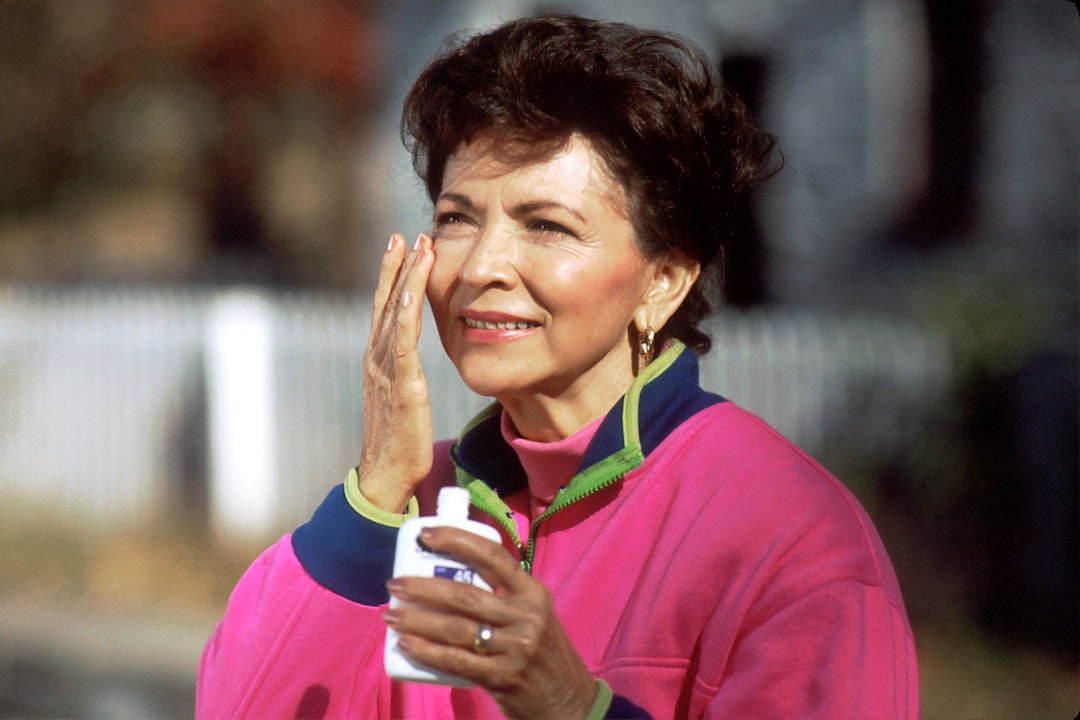
As we navigate through life, our skin tells the story of our experiences, emotions, and the passage of time. One of the most common signs of aging that many of us encounter is the appearance of crow’s feet. These fine lines and wrinkles, which form at the outer corners of our eyes, can be a source of concern for those of us who wish to maintain a youthful appearance.
Crow’s feet are primarily caused by a combination of factors, including the natural aging process, sun exposure, and repetitive facial movements such as smiling and squinting. As we age, our skin loses collagen and elasticity, making it more susceptible to the formation of these lines. Understanding the underlying causes of crow’s feet can help us take proactive steps in addressing them.
While genetics play a role in how our skin ages, environmental factors such as UV exposure and lifestyle choices like smoking can exacerbate the development of these wrinkles. Additionally, our facial expressions contribute significantly to their formation; every smile or laugh leaves a mark on our skin over time. By recognizing these factors, we can better appreciate the importance of skincare and preventive measures in maintaining our skin’s health and appearance.
Key Takeaways
- Crow’s feet are the fine lines and wrinkles that appear around the eyes as a result of aging and repeated facial expressions.
- Botox is a neurotoxin that works by temporarily paralyzing the muscles responsible for causing wrinkles, resulting in smoother skin.
- The Botox procedure involves injecting small amounts of the neurotoxin into specific facial muscles to reduce the appearance of crow’s feet.
- Potential side effects and risks of Botox include bruising, swelling, and temporary muscle weakness, as well as more serious complications if not administered by a qualified provider.
- Botox typically lasts for 3-4 months, after which follow-up treatments are necessary to maintain results. Finding a qualified provider is crucial for safe and effective treatment. Alternative treatments and long-term care can also help maintain results.
What is Botox and How Does it Work?
Botox, short for botulinum toxin, is a popular cosmetic treatment that has gained significant attention for its ability to reduce the appearance of wrinkles, including crow’s feet. It works by temporarily paralyzing the muscles responsible for creating these lines. When injected into specific areas around the eyes, Botox blocks the nerve signals that cause muscle contractions, leading to a smoother and more relaxed appearance.
This effect can last for several months, making it an appealing option for those of us looking to diminish the signs of aging without undergoing invasive surgery. The science behind Botox is fascinating. The botulinum toxin is derived from a bacterium called Clostridium botulinum, which, in small doses, can be safely used for cosmetic purposes.
This results in a reduction of dynamic wrinkles—those that appear when we make facial expressions. By understanding how Botox works, we can appreciate its effectiveness in treating crow’s feet and other facial wrinkles.
The Botox Procedure

When considering Botox as a solution for crow’s feet, it’s essential to understand what the procedure entails. Typically, we begin with a consultation with a qualified provider who will assess our skin and discuss our goals. During this initial meeting, we can ask questions about the treatment and express any concerns we may have.
Once we decide to proceed, the actual procedure is relatively quick and straightforward. Our provider will clean the area around our eyes and may apply a topical anesthetic to minimize discomfort. The injection process itself usually takes only about 10 to 15 minutes.
Using a fine needle, our provider will administer small amounts of Botox into specific muscles around our eyes. We might feel a slight pinch or sting during the injections, but most people find it tolerable. Afterward, we can typically return to our daily activities without significant downtime.
However, it’s important to follow any post-treatment instructions provided by our provider to ensure optimal results.
Potential Side Effects and Risks
| Side Effect | Risk Level |
|---|---|
| Nausea | Low |
| Headache | Medium |
| Dizziness | High |
While Botox is generally considered safe when administered by a qualified professional, it’s crucial for us to be aware of potential side effects and risks associated with the treatment. Common side effects may include temporary bruising, swelling, or redness at the injection site. Some individuals may also experience mild headaches or flu-like symptoms following the procedure.
These effects are usually short-lived and resolve on their own within a few days. In rare cases, more serious complications can occur. For instance, if Botox spreads beyond the intended area, it could lead to drooping eyelids or uneven facial expressions.
It’s essential for us to choose a skilled provider who understands facial anatomy and has experience with Botox injections to minimize these risks. By discussing our medical history and any concerns during the consultation, we can help ensure a safe and effective treatment experience.
How Long Does Botox Last?
One of the appealing aspects of Botox is its temporary nature; however, this also means that we need to be mindful of how long its effects last. Typically, the results from Botox injections can last anywhere from three to six months, depending on various factors such as our individual metabolism, the area treated, and how frequently we receive injections. Over time, as our muscles gradually regain their ability to contract, crow’s feet may begin to reappear.
To maintain our desired results, many of us choose to schedule follow-up appointments for additional treatments as needed. Some individuals find that with regular use, the duration of effectiveness may extend slightly over time due to reduced muscle activity in the treated area. Understanding how long Botox lasts allows us to plan accordingly and manage our expectations regarding maintenance treatments.
Finding a Qualified Provider

When considering Botox for crow’s feet or any cosmetic procedure, finding a qualified provider is paramount. We should seek out licensed professionals with extensive training and experience in administering Botox injections. This could include dermatologists, plastic surgeons, or licensed aestheticians who specialize in cosmetic treatments.
Checking credentials and reading reviews from previous patients can help us make an informed decision. During our initial consultation, we should feel comfortable asking questions about the provider’s experience with Botox and their approach to treatment. A reputable provider will take the time to understand our goals and tailor their technique accordingly.
By prioritizing safety and expertise in our search for a provider, we can enhance our chances of achieving satisfactory results while minimizing potential risks.
Alternatives to Botox for Crow’s Feet
While Botox is a popular choice for addressing crow’s feet, it’s not the only option available to us. There are several alternatives that we might consider based on our preferences and skin type. One such option is dermal fillers, which can add volume to areas around the eyes and smooth out fine lines.
Fillers work differently than Botox; instead of relaxing muscles, they plump up the skin from beneath. Another alternative is laser treatments or chemical peels that target skin texture and promote collagen production. These procedures can improve overall skin quality and reduce the appearance of wrinkles over time.
Additionally, topical treatments containing retinoids or hyaluronic acid may help improve skin texture and hydration when used consistently as part of our skincare routine. Exploring these alternatives allows us to find a solution that aligns with our individual needs and desired outcomes.
Maintaining Results and Long-Term Care
Once we’ve decided on a treatment for crow’s feet—whether it’s Botox or another option—maintaining results requires ongoing care and attention. For those of us who choose Botox, scheduling regular follow-up appointments is essential to keep wrinkles at bay. In addition to professional treatments, incorporating a solid skincare routine can significantly impact how our skin ages over time.
Using sunscreen daily is one of the most effective ways to protect our skin from UV damage that contributes to premature aging. Additionally, staying hydrated and maintaining a balanced diet rich in antioxidants can support skin health from within. Regularly moisturizing and using products designed for anti-aging can also help keep our skin looking its best between treatments.
By committing to long-term care and preventive measures, we can enhance the longevity of our results while promoting overall skin health.
By recognizing the causes of these wrinkles and considering various treatment methods—including alternatives—we can take proactive steps toward achieving smoother skin around our eyes while prioritizing safety and long-term care.
If you’re considering Botox for crow’s feet, you might also be interested in understanding how various factors can affect your overall well-being, including your mood. A related article that explores the role of serotonin in boosting your mood can provide valuable insights. You can read more about it in this article:
