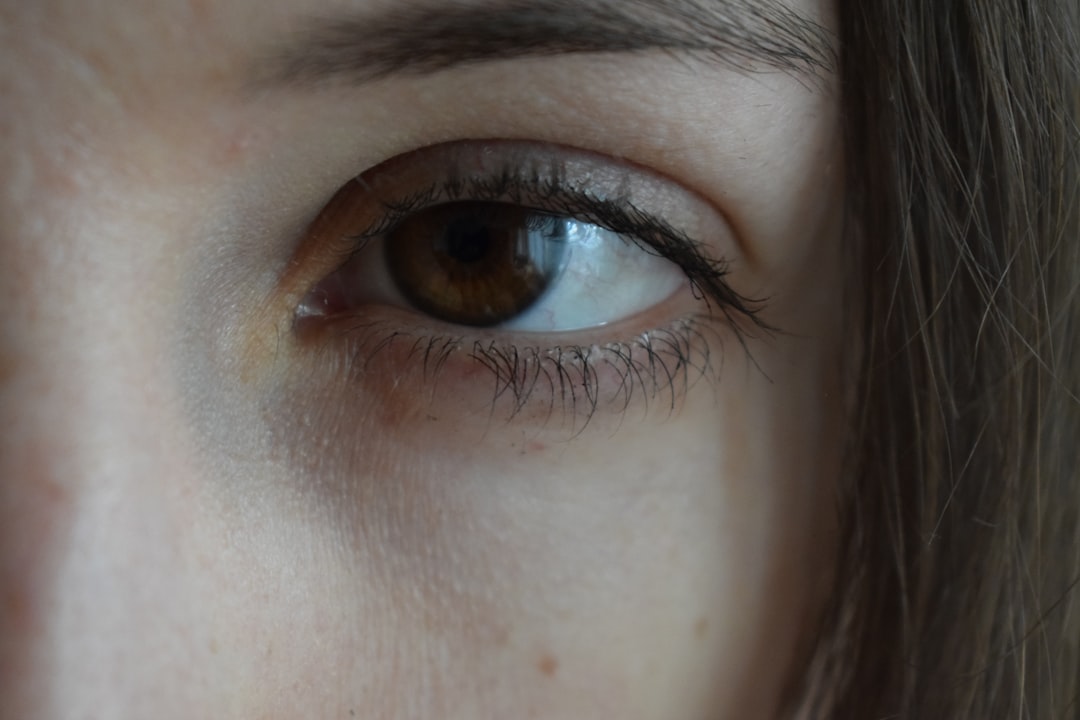
As we navigate through life, the signs of aging often manifest in the delicate skin around our eyes. This area is particularly susceptible to changes due to its thinness and sensitivity. Under eye rejuvenation encompasses a variety of treatments aimed at restoring a youthful appearance, reducing dark circles, and minimizing fine lines and wrinkles.
We may find ourselves seeking solutions that not only enhance our aesthetic appeal but also boost our confidence. Understanding the nuances of under eye rejuvenation is essential for making informed decisions about our appearance. The quest for youthful eyes often leads us to explore various options, including topical treatments, lifestyle changes, and cosmetic procedures.
Among these, Botox has emerged as a popular choice for those looking to achieve a refreshed look without undergoing invasive surgery. By understanding the underlying causes of under-eye issues, such as genetics, sun exposure, and lifestyle factors, we can better appreciate the role that rejuvenation treatments play in our overall appearance. This knowledge empowers us to take proactive steps toward maintaining our youthful glow.
Key Takeaways
- Under eye rejuvenation can help reduce the appearance of dark circles, puffiness, and fine lines for a more refreshed and youthful look.
- Botox for under eye rejuvenation can provide a non-invasive solution for smoothing out wrinkles and fine lines.
- The procedure involves a series of small injections around the under eye area, with minimal discomfort and downtime.
- Finding the right provider is crucial for a safe and effective under eye rejuvenation treatment.
- Aftercare and recovery may include avoiding strenuous activities and applying cold compresses to reduce swelling.
The Benefits of Botox for Under Eye Rejuvenation
Botox, a well-known neuromodulator, has gained significant traction in the realm of cosmetic enhancements, particularly for under eye rejuvenation. One of the primary benefits of Botox is its ability to temporarily paralyze the muscles responsible for creating fine lines and wrinkles. By targeting these specific areas, we can achieve a smoother and more youthful appearance around our eyes.
This non-invasive treatment allows us to enjoy noticeable results without the need for extensive downtime or recovery. In addition to reducing the appearance of wrinkles, Botox can also help with other concerns such as dark circles and puffiness. By relaxing the muscles around the eyes, we may find that the skin appears tighter and more lifted, creating a more vibrant look.
Furthermore, the effects of Botox can last several months, making it a convenient option for those of us who want to maintain our appearance with minimal effort. The versatility of Botox makes it an appealing choice for individuals seeking a comprehensive approach to under eye rejuvenation.
The Procedure: What to Expect
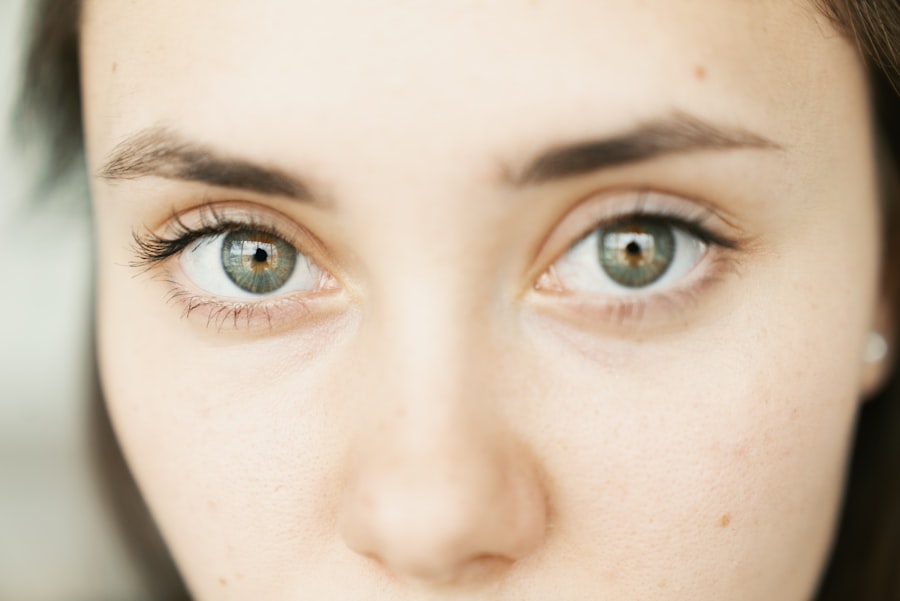
When we decide to undergo Botox treatment for under eye rejuvenation, it’s essential to know what to expect during the procedure. Typically, the process begins with a consultation where we discuss our goals and concerns with a qualified provider. This initial meeting allows us to ask questions and gain clarity on how Botox can specifically address our needs.
Once we feel comfortable and informed, we can proceed with the treatment. The actual procedure is relatively quick and straightforward. Our provider will use a fine needle to inject small amounts of Botox into targeted areas around our eyes.
While some may experience mild discomfort during the injections, the process is generally well-tolerated. The entire session usually lasts no longer than 30 minutes, allowing us to return to our daily activities almost immediately. Afterward, we may notice some swelling or redness at the injection sites, but these effects typically subside within a few hours.
Finding the Right Provider
| Provider | Quality | Cost | Availability |
|---|---|---|---|
| Provider A | High | Medium | 24/7 |
| Provider B | Low | High | Limited |
| Provider C | Medium | Low | Flexible |
Choosing the right provider for our Botox treatment is crucial to achieving optimal results.
Researching potential providers can involve reading reviews, checking credentials, and asking for recommendations from friends or family members who have undergone similar treatments.
During our consultation, we should feel comfortable discussing our aesthetic goals and any concerns we may have. A skilled provider will take the time to understand our needs and create a personalized treatment plan that aligns with our expectations. Trusting our provider is essential, as their expertise will significantly impact the outcome of our under eye rejuvenation journey.
By taking these steps, we can ensure that we are in capable hands as we embark on this transformative experience.
Aftercare and Recovery
After undergoing Botox treatment for under eye rejuvenation, it’s important for us to follow proper aftercare guidelines to ensure optimal results. While most individuals can resume their normal activities immediately after the procedure, there are a few precautions we should keep in mind. For instance, we should avoid strenuous exercise and excessive sun exposure for at least 24 hours post-treatment.
This helps minimize any potential swelling or bruising that may occur. Additionally, we should refrain from touching or massaging the treated area for several hours following the injections. This precaution helps prevent the Botox from migrating to unintended areas, which could lead to undesired effects.
Staying hydrated and maintaining a healthy skincare routine can also support our recovery process. By adhering to these aftercare recommendations, we can maximize the benefits of our treatment and enjoy the rejuvenated appearance we desire.
Potential Risks and Side Effects
While Botox is generally considered safe when administered by a qualified professional, it’s essential for us to be aware of potential risks and side effects associated with the treatment. Common side effects may include temporary bruising, swelling, or redness at the injection sites. These effects are usually mild and resolve on their own within a few days.
In rare cases, more serious complications can occur, such as drooping eyelids or asymmetry in facial features. It’s crucial for us to discuss these risks with our provider during the consultation phase so that we have a clear understanding of what to expect. By choosing an experienced practitioner and following their aftercare instructions diligently, we can significantly reduce the likelihood of encountering adverse effects.
Long-Term Results and Maintenance
One of the appealing aspects of Botox for under eye rejuvenation is its long-lasting results. Typically, we can expect to see improvements in our appearance for three to six months following treatment. As the effects gradually wear off, we may notice the return of fine lines and wrinkles; however, many individuals find that regular maintenance treatments help sustain their youthful look over time.
To maintain optimal results, we should consider scheduling follow-up appointments with our provider every few months. This proactive approach allows us to stay ahead of any signs of aging while ensuring that our appearance remains fresh and vibrant.
Is Botox for Under Eye Rejuvenation Right for You?
Deciding whether Botox is the right choice for our under eye rejuvenation needs requires careful consideration of various factors. We should reflect on our aesthetic goals, medical history, and any concerns we may have about undergoing cosmetic procedures. Consulting with a qualified provider can help us gain clarity on whether Botox aligns with our expectations and desired outcomes.
Ultimately, Botox offers a non-invasive solution for those seeking to refresh their appearance without significant downtime or recovery. By understanding the benefits, risks, and maintenance involved in this treatment, we can make an informed decision that enhances our confidence and overall well-being. As we embark on this journey toward rejuvenation, it’s essential to prioritize our comfort and satisfaction throughout the process.
If you’re considering Botox for under-eye treatment, it’s essential to understand the various factors that can influence your decision. For instance, you might find it helpful to read about the importance of maintaining a healthy lifestyle, which can complement cosmetic procedures. An insightful article on this topic is the Ultimate Guide to Keto Diet for Your Body, where you can learn how dietary choices can impact your overall appearance and skin health.
FAQs
What is Botox under the eyes?
Botox under the eyes refers to the use of botulinum toxin injections to reduce the appearance of wrinkles and fine lines around the eyes. It is a popular cosmetic treatment to achieve a more youthful and rejuvenated appearance.
How does Botox under the eyes work?
Botox works by temporarily paralyzing the muscles around the eyes, which helps to smooth out wrinkles and fine lines. It blocks the signals from the nerves to the muscles, preventing them from contracting and causing wrinkles.
Is Botox under the eyes safe?
When administered by a qualified and experienced medical professional, Botox under the eyes is generally considered safe. However, there are potential side effects and risks, so it is important to consult with a healthcare provider before undergoing the treatment.
What are the potential side effects of Botox under the eyes?
Common side effects of Botox under the eyes may include temporary bruising, swelling, and redness at the injection site. In rare cases, there can be more serious side effects such as drooping eyelids or blurred vision.
How long does Botox under the eyes last?
The effects of Botox under the eyes typically last for about 3-4 months. After this time, the muscles gradually regain their ability to contract, and wrinkles may reappear.
Who is a good candidate for Botox under the eyes?
Good candidates for Botox under the eyes are generally healthy individuals who are bothered by the appearance of wrinkles and fine lines around the eyes. It is important to have realistic expectations and to discuss any medical conditions or concerns with a healthcare provider before undergoing the treatment.
