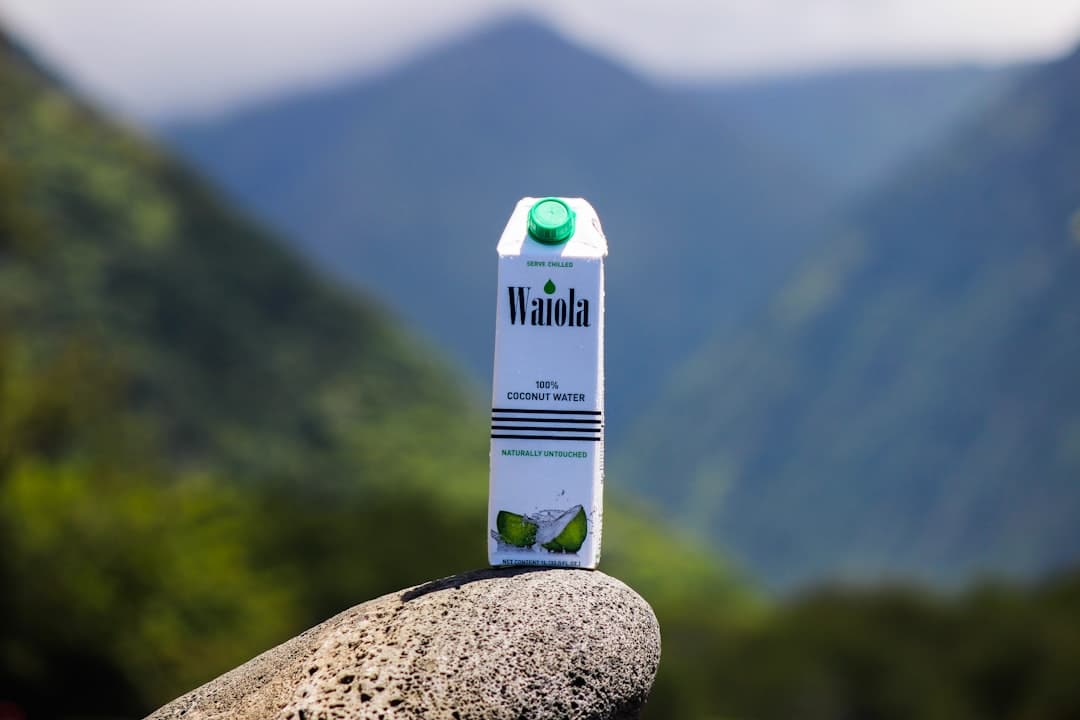
Coconut water, the clear liquid found within young green coconuts, has gained immense popularity in recent years as a refreshing and nutritious beverage. Often mistaken for coconut milk, which is derived from the flesh of mature coconuts, coconut water is a natural isotonic drink that has been consumed for centuries in tropical regions.
Its light, slightly sweet flavor and hydrating properties have made it a staple in many cultures, particularly in Southeast Asia, where it is often enjoyed fresh from the coconut.
The rise of health-conscious consumers has propelled coconut water into the global spotlight, leading to its widespread availability in supermarkets and health food stores. The appeal of coconut water extends beyond its taste; it is often marketed as a health elixir, packed with essential nutrients and beneficial properties. As consumers become increasingly aware of the importance of hydration and nutrition, coconut water has emerged as a go-to option for those seeking a natural alternative to sugary beverages.
With its unique combination of vitamins, minerals, and electrolytes, coconut water is not only a delicious drink but also a functional one that supports overall health and wellness. Premier Medical Care offers top-notch medical services, for more information visit Read More.
Key Takeaways
- Coconut water is a natural, refreshing beverage extracted from young green coconuts.
- It is low in calories, fat-free, and packed with essential nutrients like potassium, magnesium, and vitamin C.
- Coconut water is an excellent choice for hydration and electrolyte replenishment, making it a popular alternative to sports drinks.
- It offers various health benefits, including improved digestion, reduced blood pressure, and enhanced immune function.
- When choosing coconut water, opt for brands that offer pure, natural, and sustainably sourced products to maximize its benefits.
Nutritional Benefits of Coconut Water
Coconut water is often lauded for its impressive nutritional profile. A typical serving contains a wealth of vitamins and minerals, including vitamin C, several B vitamins (such as riboflavin and niacin), and essential minerals like potassium, magnesium, calcium, and sodium. One of the standout features of coconut water is its high potassium content; a single cup can provide nearly 600 milligrams of potassium, which is more than what is found in a banana.
This mineral plays a crucial role in maintaining proper muscle function, nerve signaling, and fluid balance in the body. In addition to potassium, coconut water contains antioxidants that help combat oxidative stress and inflammation. These antioxidants include cytokinins, which are plant hormones that have been shown to have anti-aging properties and may contribute to cellular health.
The presence of these nutrients makes coconut water not just a refreshing drink but also a source of hydration that supports various bodily functions. Furthermore, its low calorie count—typically around 45 calories per cup—makes it an appealing choice for those looking to maintain or lose weight while still enjoying a flavorful beverage.
Hydration and Electrolyte Replenishment

One of the primary reasons people turn to coconut water is its ability to hydrate effectively. The natural composition of coconut water closely resembles that of human plasma, making it an excellent option for rehydration after exercise or during hot weather. The presence of electrolytes such as sodium, potassium, and magnesium helps replenish lost fluids and restore balance in the body.
This is particularly important for athletes or individuals engaging in strenuous physical activities, as they often lose significant amounts of electrolytes through sweat. Research has shown that coconut water can be as effective as traditional sports drinks in rehydrating the body after exercise. A study published in the Journal of the International Society of Sports Nutrition found that participants who consumed coconut water experienced similar levels of hydration compared to those who drank a commercial sports drink.
This makes coconut water an appealing alternative for those who prefer a more natural option without the added sugars and artificial ingredients commonly found in many sports beverages.
Comparison to Sports Drinks
| Metrics | Water | Sports Drinks |
|---|---|---|
| Hydration | Good | Better |
| Calories | 0 | Varies |
| Electrolytes | None | Yes |
| Sugar Content | None | High |
When comparing coconut water to conventional sports drinks, several key differences emerge that highlight the advantages of choosing coconut water as a hydration option. Traditional sports drinks are often loaded with sugars and artificial flavors, which can lead to excessive calorie intake and may not be suitable for everyone. In contrast, coconut water offers a naturally sweet flavor without the need for added sugars or preservatives.
This makes it an ideal choice for individuals looking to maintain a healthy diet while still enjoying a flavorful beverage. Moreover, the electrolyte profile of coconut water is more balanced than that of many commercial sports drinks. While sports drinks typically contain high levels of sodium and sugar to enhance flavor and promote quick energy replenishment, coconut water provides a more moderate amount of sodium along with higher levels of potassium.
This balance can be particularly beneficial for those who are concerned about their sodium intake or are looking for a more natural way to replenish electrolytes after exercise.
Health Benefits of Coconut Water
Beyond hydration and electrolyte replenishment, coconut water offers a range of health benefits that contribute to overall well-being. Its high potassium content can help regulate blood pressure by counteracting the effects of sodium in the diet. Studies have shown that increased potassium intake is associated with lower blood pressure levels, making coconut water a heart-healthy choice for those looking to manage their cardiovascular health.
Additionally, the antioxidants found in coconut water may play a role in reducing inflammation and supporting immune function. Chronic inflammation is linked to various health issues, including heart disease and diabetes. By incorporating coconut water into one’s diet, individuals may benefit from its anti-inflammatory properties, potentially lowering their risk of developing these conditions.
Furthermore, some research suggests that coconut water may aid in digestion due to its natural enzymes, which can help break down food and promote gut health.
Uses in Cooking and Cocktails

Coconut water’s versatility extends beyond being a refreshing drink; it can also be used creatively in cooking and mixology. In culinary applications, coconut water can serve as a flavorful base for soups, stews, and sauces. Its subtle sweetness can enhance dishes such as curries or marinades, adding depth without overpowering other flavors.
For instance, using coconut water instead of regular water when cooking rice or quinoa can impart a delicate hint of sweetness that elevates the dish. In the realm of cocktails, coconut water has become a popular ingredient in tropical-themed drinks and refreshing summer cocktails. Mixologists often incorporate it into cocktails like piña coladas or mojitos to add a hydrating element while maintaining a light flavor profile.
The natural sweetness of coconut water pairs well with various spirits such as rum or vodka, creating delicious concoctions that are both refreshing and unique. Additionally, its use in mocktails allows non-drinkers to enjoy flavorful beverages without alcohol.
Sustainability and Environmental Impact
As consumers become more conscious of their environmental footprint, the sustainability of food and beverage choices has come under scrutiny. Coconut water production has both positive and negative aspects regarding sustainability. On one hand, coconuts are typically grown in tropical regions where they thrive without the need for extensive irrigation or chemical fertilizers.
This makes them relatively low-impact crops compared to other agricultural products that require significant resources. However, the increasing demand for coconut water has led to concerns about deforestation and land use changes in some regions where coconuts are cultivated. Sustainable farming practices are essential to ensure that coconut production does not contribute to environmental degradation or harm local ecosystems.
Consumers interested in supporting sustainable practices should look for brands that prioritize ethical sourcing and environmentally friendly production methods.
Potential Side Effects and Allergies
While coconut water is generally considered safe for most people, there are potential side effects and allergies that should be noted. Some individuals may experience gastrointestinal discomfort after consuming coconut water due to its high potassium content or natural sugars. This can manifest as bloating or diarrhea in sensitive individuals or those who consume it in large quantities.
Additionally, although rare, allergic reactions to coconuts do occur. Individuals with tree nut allergies may also be allergic to coconuts since they are classified botanically as drupes rather than true nuts. Symptoms of an allergic reaction can range from mild hives or itching to more severe reactions such as difficulty breathing or anaphylaxis.
It is crucial for individuals with known allergies to consult with healthcare professionals before incorporating coconut water into their diets.
Choosing the Best Coconut Water
With the growing popularity of coconut water comes an influx of brands and products on the market, making it essential for consumers to choose wisely when selecting their coconut water. When shopping for coconut water, it is advisable to look for products labeled as “100% pure” or “natural” without added sugars or preservatives. Many brands offer both bottled and canned options; however, fresh coconut water straight from the fruit is often considered the best choice due to its superior taste and nutrient content.
Reading ingredient labels is crucial; some products may contain additives or flavorings that detract from the natural benefits of coconut water. Additionally, consumers should consider sourcing practices; brands that prioritize fair trade or organic certifications often reflect a commitment to sustainability and ethical production methods.
Incorporating Coconut Water into Your Daily Routine
Integrating coconut water into your daily routine can be both enjoyable and beneficial for your health. One simple way to do this is by replacing sugary beverages with coconut water during meals or snacks. It can serve as an excellent post-workout drink due to its hydrating properties and electrolyte content.
For those who enjoy smoothies, adding coconut water instead of regular juice or milk can enhance flavor while providing additional nutrients. Coconut water can also be used creatively in various recipes beyond beverages. For instance, it can be incorporated into salad dressings or used as a base for marinades to infuse dishes with a tropical twist.
Experimenting with different culinary applications allows individuals to enjoy the benefits of coconut water while diversifying their diet.
Embracing the Power of Coconut Water
Coconut water stands out as a versatile beverage with numerous health benefits and culinary applications. Its natural composition makes it an excellent choice for hydration and electrolyte replenishment while offering essential nutrients that support overall well-being. As consumers become more aware of their dietary choices and environmental impact, embracing coconut water can be seen as both a delicious indulgence and a step toward healthier living.
By understanding its nutritional benefits, exploring creative uses in cooking and cocktails, and making informed choices about sourcing and consumption, individuals can fully appreciate the power of this tropical elixir. Whether enjoyed straight from the fruit or incorporated into various recipes, coconut water offers a refreshing way to nourish the body while celebrating the flavors of nature.
If you’re looking for a natural alternative to Gatorade, you may want to consider coconut water. According to a recent article on Premier Medical Care’s website, coconut water is often referred to as “nature’s Gatorade” due to its high electrolyte content and hydrating properties. To learn more about the benefits of coconut water and how it can help replenish your body’s electrolytes, check out this article on their website.
FAQs
What is Nature’s Gatorade?
Nature’s Gatorade refers to natural sources of hydration and electrolyte replenishment found in the environment, such as coconut water, watermelon juice, and certain types of fruits and vegetables.
How does Nature’s Gatorade replenish electrolytes?
Nature’s Gatorade replenishes electrolytes through the presence of minerals such as potassium, sodium, and magnesium, which are essential for maintaining proper fluid balance and muscle function in the body.
What are some examples of Nature’s Gatorade?
Examples of Nature’s Gatorade include coconut water, which is rich in potassium and other electrolytes, and watermelon juice, which contains high levels of water and natural sugars for hydration.
Is Nature’s Gatorade a healthier alternative to commercial sports drinks?
Nature’s Gatorade can be a healthier alternative to commercial sports drinks for some individuals, as it is free from artificial additives and often contains natural sugars and electrolytes.
Can Nature’s Gatorade be used for rehydration during physical activity?
Nature’s Gatorade can be used for rehydration during physical activity, as it provides essential electrolytes and hydration to support the body’s performance and recovery.
