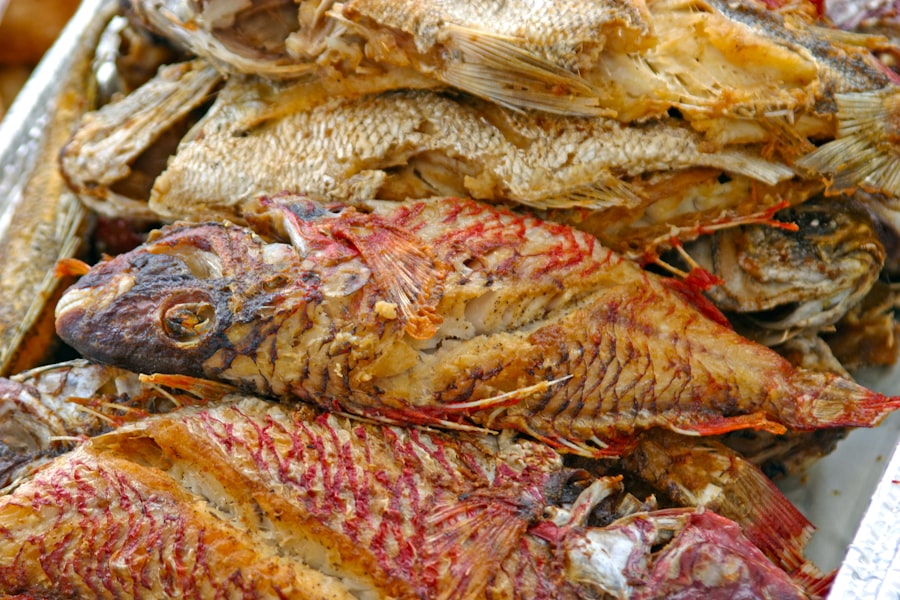
Grouper is a term that encompasses a variety of fish species belonging to the family Epinephelidae. These fish are primarily found in warm waters, particularly in the Atlantic and Pacific Oceans, and are known for their robust bodies and large mouths. Grouper are typically bottom-dwellers, preferring rocky reefs and coral formations where they can find shelter and hunt for prey.
Their diet mainly consists of smaller fish, crustaceans, and mollusks, which they capture using their powerful jaws. The texture of grouper meat is firm yet flaky, making it a favorite among seafood enthusiasts. The popularity of grouper extends beyond its culinary appeal; it also plays a significant role in various ecosystems.
As predators, groupers help maintain the balance of marine life by controlling the populations of their prey. However, overfishing and habitat destruction have raised concerns about the sustainability of grouper populations in certain regions. Conservation efforts are underway to ensure that these fish remain a viable resource for future generations while also preserving the delicate marine environments they inhabit.
Key Takeaways
- Grouper is a popular fish known for its mild flavor and firm texture, making it a versatile ingredient for various dishes.
- There are different types of grouper, including black, red, and gag grouper, each with its own unique flavor and texture.
- The best ways to cook grouper include grilling, baking, broiling, and frying, allowing for a variety of delicious preparations.
- When choosing the freshest grouper, look for clear, bright eyes, firm flesh, and a mild, fresh sea smell to ensure quality and flavor.
- Grouper can be paired with a variety of side dishes, such as roasted vegetables, rice pilaf, or a fresh salad, to complement its flavor and texture.
Different Types of Grouper
There are several species of grouper, each with its unique characteristics and flavors. Among the most well-known are the black grouper (Mycteroperca bonaci), red grouper (Epinephelus morio), and gag grouper (Mycteroperca microlepis). The black grouper is particularly prized for its rich flavor and firm texture, making it a popular choice in restaurants and homes alike.
It can grow quite large, reaching weights of up to 400 pounds, although most caught are significantly smaller. The red grouper, on the other hand, is known for its mild taste and slightly sweet flavor profile. It has a pinkish-red hue that makes it visually appealing on the plate.
This species is often found in shallower waters compared to its black counterpart, making it more accessible to fishermen. Gag grouper is another favorite, especially in the southeastern United States. It has a lighter color and a slightly firmer texture than red grouper, making it versatile for various cooking methods.
Each type of grouper offers a distinct taste experience, allowing chefs to choose based on their culinary needs.
The Best Ways to Cook Grouper
Cooking grouper can be an enjoyable experience due to its versatility in preparation methods. One of the most popular ways to prepare grouper is by grilling it. The firm texture of the fish holds up well on the grill, allowing for beautiful char marks while retaining moisture.
Marinating the fish beforehand can enhance its flavor; a simple mixture of olive oil, lemon juice, garlic, and herbs can elevate the dish significantly. Grilling also imparts a smoky flavor that complements the natural sweetness of the fish. Baking is another excellent method for cooking grouper, especially when aiming for a healthier option.
A whole or filleted grouper can be seasoned with spices and herbs, then wrapped in parchment paper or foil to create a steaming effect in the oven. This method locks in moisture and flavor while allowing for easy cleanup. Additionally, frying grouper is a classic preparation that results in a crispy exterior and tender interior. Whether using a light batter or simply dredging in seasoned flour, frying can create a delightful contrast in textures that many find irresistible.
How to Choose the Freshest Grouper
| Criteria | Indicator |
|---|---|
| Appearance | Clear, bright eyes and shiny skin |
| Smell | Fresh, mild ocean scent |
| Texture | Firm and resilient to the touch |
| Color | Uniform and vibrant, no discoloration |
| Gills | Bright red or pink, not slimy or discolored |
Selecting fresh grouper is crucial for ensuring a delicious meal. When shopping for this fish, there are several key indicators to consider. First and foremost, look for clear, bright eyes; dull or sunken eyes can indicate that the fish is not fresh.
The skin should be shiny and moist, with vibrant colors that reflect the species’ natural hues. Additionally, fresh grouper should have a mild ocean scent rather than a strong fishy odor. Another important factor is the texture of the flesh.
When pressed gently with a finger, fresh grouper should spring back without leaving an indentation. If the flesh feels mushy or does not bounce back, it may be past its prime. Checking for scales is also essential; they should be intact and adhere firmly to the skin.
If purchasing whole fish, ensure that the gills are bright red or pink, indicating freshness. By paying attention to these details, consumers can select high-quality grouper that will enhance their culinary creations.
Top Grouper Recipes
There are countless recipes that showcase the deliciousness of grouper, but some stand out due to their simplicity and flavor profiles. One classic dish is blackened grouper, which involves seasoning fillets with a blend of spices such as paprika, cayenne pepper, garlic powder, and thyme before searing them in a hot cast-iron skillet. This method creates a flavorful crust while keeping the inside moist and tender.
Another popular recipe is grouper piccata, where fillets are lightly dredged in flour and pan-fried until golden brown. The dish is then finished with a sauce made from lemon juice, capers, and butter, resulting in a bright and zesty flavor that pairs beautifully with the fish. For those looking for something more adventurous, grouper tacos offer a fun twist; grilled or fried grouper can be served in corn tortillas with fresh toppings like avocado, cabbage slaw, and a tangy lime crema.
Pairing Grouper with the Perfect Side Dishes

When it comes to pairing side dishes with grouper, the options are as diverse as the fish itself. A light citrus salad can complement the flavors of grilled or baked grouper beautifully. Ingredients like arugula, grapefruit segments, and avocado drizzled with a citrus vinaigrette create a refreshing contrast to the richness of the fish.
For those who prefer heartier sides, roasted vegetables such as asparagus or Brussels sprouts can provide an earthy balance to the meal. The caramelization from roasting enhances their natural sweetness while adding depth to the overall dish.
The Best Grouper Dishes from Around the World
Grouper is celebrated in various culinary traditions around the globe, each showcasing unique flavors and cooking techniques. In Mediterranean cuisine, for instance, grouper is often prepared with olives, tomatoes, and capers in a dish known as “grouper alla livornese.” This Italian recipe highlights the fish’s natural flavors while incorporating vibrant ingredients that enhance its taste. In Caribbean cooking, grouper is frequently featured in dishes like “escovitch,” where fried fish is topped with pickled vegetables and served alongside spicy sauces.
This preparation not only adds layers of flavor but also reflects the region’s vibrant culinary heritage. In Southeast Asia, grouper may be found in curries or steamed with ginger and soy sauce, showcasing how this versatile fish adapts to various cultural influences while remaining delicious.
Grouper: A Healthy and Nutritious Choice
Grouper is not only delicious but also offers numerous health benefits that make it an excellent choice for those seeking nutritious seafood options.
A typical serving of grouper provides around 20 grams of protein while being relatively low in calories compared to other protein sources.
Additionally, grouper contains essential vitamins and minerals such as vitamin B12, selenium, and omega-3 fatty acids. Vitamin B12 plays a crucial role in maintaining healthy nerve function and producing red blood cells, while selenium acts as an antioxidant that helps protect cells from damage. Omega-3 fatty acids are known for their heart-healthy benefits, including reducing inflammation and lowering blood pressure.
Incorporating grouper into one’s diet can contribute to overall health while satisfying seafood cravings.
Where to Find the Best Grouper in Your Area
Finding high-quality grouper can vary depending on location; however, there are several reliable sources to consider when searching for this delectable fish. Local seafood markets often provide fresh catches from nearby waters and may even offer insights into where their fish was sourced. Establishing relationships with local fishmongers can lead to discovering seasonal varieties and recommendations on preparation methods.
Restaurants specializing in seafood are another excellent option for enjoying grouper dishes prepared by skilled chefs who understand how to highlight its flavors effectively. Many establishments pride themselves on sourcing sustainable seafood options; thus, checking menus at reputable restaurants can lead to delightful dining experiences featuring this versatile fish.
Tips for Grilling the Perfect Grouper
Grilling grouper requires attention to detail to achieve optimal results while preserving its delicate texture and flavor. One essential tip is to preheat the grill thoroughly before placing the fish on it; this ensures even cooking and prevents sticking. Using a clean grill grate is crucial; oiling it lightly before grilling can help create a non-stick surface.
When grilling fillets or steaks of grouper, consider using indirect heat if cooking thicker cuts; this allows for more even cooking without burning the exterior. Additionally, using a fish basket or aluminum foil can help prevent delicate fillets from falling apart during grilling while allowing them to absorb smoky flavors from the grill.
Grouper: A Versatile Fish for Any Occasion
Grouper’s versatility makes it suitable for various occasions ranging from casual family dinners to elegant dinner parties. Its mild flavor profile allows it to pair well with an array of seasonings and cooking methods, making it adaptable to different cuisines and preferences. Whether served simply grilled with lemon or incorporated into complex dishes like seafood stews or curries, grouper can cater to diverse palates.
Moreover, its firm texture makes it an ideal candidate for various cooking techniques such as baking, frying, or broiling without losing its integrity. This adaptability ensures that home cooks can experiment with different recipes while still achieving delicious results every time they prepare this remarkable fish. Whether enjoyed on its own or as part of an elaborate meal spread across multiple courses, grouper remains a beloved choice among seafood lovers worldwide.
If you’re a fan of delicious grouper dishes, you’ll definitely want to check out this article on the best grouper recipes for your next seafood feast. Whether you prefer it grilled, blackened, or fried, this article has a variety of mouthwatering recipes to satisfy your seafood cravings. So next time you’re in the mood for some tasty grouper, be sure to give one of these recipes a try!
FAQs
What is grouper?
Grouper is a type of fish that belongs to the sea bass family. It is known for its mild flavor and firm texture, making it a popular choice for seafood dishes.
Where is grouper commonly found?
Grouper is commonly found in the waters of the Atlantic Ocean and the Gulf of Mexico. It is also found in the Caribbean and along the coast of South America.
What does grouper taste like?
Grouper has a mild, sweet flavor with a firm texture. It is often compared to halibut or cod, and is known for its versatility in cooking.
How can I cook grouper to bring out the best taste?
Grouper can be grilled, fried, baked, or broiled to bring out its best taste. It pairs well with a variety of seasonings and sauces, making it a versatile option for cooking.
What are some popular recipes for cooking grouper?
Some popular recipes for cooking grouper include blackened grouper, grilled grouper with lemon and herbs, and grouper piccata. Grouper can also be used in soups, stews, and ceviche.
