In recent years, there has been a noticeable shift in consumer preferences towards natural alternatives to traditional sports drinks like Gatorade. This trend is driven by a growing awareness of health and wellness, as well as an increasing desire for transparency in food and beverage ingredients. Many athletes and fitness enthusiasts are now seeking options that not only replenish electrolytes but also avoid artificial additives, excessive sugars, and synthetic flavors.
As a result, a plethora of natural Gatorade alternatives have emerged on the market, catering to those who prioritize clean eating and holistic health. The rise of these alternatives can be attributed to several factors, including the influence of social media, where health influencers and athletes share their personal experiences with natural products. Additionally, the increasing prevalence of dietary restrictions and preferences—such as veganism, gluten-free diets, and clean eating—has prompted brands to innovate and create beverages that align with these values.
As consumers become more educated about nutrition, they are more inclined to scrutinize labels and seek out products that are not only effective in hydration but also beneficial for overall health. Premier Medical Care offers top-notch medical services, Read More <a href="https://premiermedicalcare.
us/”>here.
Key Takeaways
- Natural Gatorade alternatives are on the rise, offering healthier options for hydration.
- Understanding the ingredients in Gatorade can help consumers make informed choices about their drinks.
- Health concerns associated with Gatorade include high sugar and artificial additives.
- Choosing natural Gatorade alternatives can provide benefits such as lower sugar content and natural ingredients.
- Electrolyte-rich natural Gatorade alternatives offer a more balanced option for replenishing essential nutrients.
Understanding the Ingredients in Gatorade
To fully appreciate the appeal of natural alternatives, it is essential to understand the ingredients commonly found in Gatorade. The original formula of Gatorade includes water, sugar, dextrose, citric acid, sodium citrate, potassium chloride, and artificial flavorings and colorings. While these components are designed to provide quick energy and hydration during intense physical activity, they also raise questions about their long-term health implications.
For instance, the high sugar content can lead to spikes in blood glucose levels, which may not be ideal for sustained energy during prolonged exercise. Moreover, the presence of artificial colors and flavors has sparked concern among health-conscious consumers. Studies have suggested that certain artificial additives may have adverse effects on health, including potential links to hyperactivity in children and other behavioral issues.
As awareness of these concerns grows, many individuals are opting for beverages that utilize natural sweeteners and flavors derived from whole foods. This shift reflects a broader movement towards clean labels and a desire for products that are not only effective but also align with a more holistic approach to nutrition.
Health Concerns Associated with Gatorade

While Gatorade is marketed as a performance-enhancing beverage for athletes, there are several health concerns associated with its consumption. One of the primary issues is its high sugar content. A standard 20-ounce bottle of Gatorade can contain around 34 grams of sugar, which is equivalent to approximately eight teaspoons.
This level of sugar can contribute to weight gain, dental problems, and an increased risk of developing chronic conditions such as type 2 diabetes if consumed excessively. Additionally, the sodium content in Gatorade can be problematic for certain individuals. While sodium is essential for maintaining fluid balance and muscle function during exercise, excessive intake can lead to hypertension and other cardiovascular issues.
For those who are not engaging in prolonged or intense physical activity, the high sodium levels may be unnecessary and even harmful. As consumers become more aware of these potential risks, many are seeking alternatives that provide hydration without the drawbacks associated with high sugar and sodium levels.
Benefits of Choosing Natural Gatorade Alternatives
| Benefits | Natural Gatorade Alternatives |
|---|---|
| Lower Sugar Content | Many natural alternatives have lower sugar content compared to Gatorade. |
| No Artificial Colors or Flavors | Natural alternatives are free from artificial colors and flavors, making them a healthier choice. |
| Electrolyte Replenishment | Some natural alternatives provide electrolytes to replenish the body after exercise. |
| Organic Ingredients | Several natural alternatives use organic ingredients, which can be beneficial for health. |
Opting for natural Gatorade alternatives offers numerous benefits that extend beyond mere hydration. One significant advantage is the use of whole food ingredients that provide essential nutrients without the negative side effects associated with artificial additives. Natural alternatives often incorporate ingredients like coconut water, fruit juices, and herbal infusions that not only replenish electrolytes but also deliver vitamins and minerals crucial for recovery and overall health.
Moreover, many natural alternatives boast lower sugar content compared to traditional sports drinks. By utilizing natural sweeteners such as honey or maple syrup, these beverages can provide a more balanced source of energy without causing drastic spikes in blood sugar levels. This is particularly beneficial for athletes who require sustained energy during endurance activities.
Additionally, natural alternatives often contain antioxidants from fruits and herbs that can help combat oxidative stress caused by intense physical exertion.
Electrolyte-Rich Natural Gatorade Alternatives
Electrolytes play a vital role in maintaining hydration and supporting muscle function during exercise. Natural Gatorade alternatives often prioritize electrolyte-rich ingredients that can effectively replenish what is lost through sweat. Coconut water is one of the most popular choices due to its high potassium content, which is essential for muscle contraction and nerve function.
It also contains sodium and magnesium, making it an excellent option for rehydration after intense workouts. Another noteworthy alternative is electrolyte-infused water made from natural sources like Himalayan salt or sea salt combined with fruit extracts. These beverages provide a balanced profile of electrolytes without the added sugars found in traditional sports drinks.
Additionally, some brands have begun incorporating superfoods like spirulina or chlorella into their formulations, which not only enhance electrolyte content but also offer additional health benefits such as improved digestion and immune support.
DIY Natural Gatorade Recipes

Coconut Water and Fresh Fruit Juice Recipe
For those who prefer a hands-on approach to hydration, creating DIY natural Gatorade recipes at home can be both fun and rewarding. One simple recipe involves mixing coconut water with fresh fruit juice—such as orange or lemon juice—and a pinch of sea salt. This combination provides a refreshing drink that is rich in electrolytes while avoiding the excessive sugars found in commercial sports drinks.
Fresh Fruit and Honey Blend Recipe
Another popular DIY option is to blend water with fresh fruits like berries or watermelon along with a touch of honey for sweetness. This not only enhances flavor but also infuses the drink with vitamins and antioxidants. Adding a sprinkle of sea salt can further boost electrolyte content, making it an ideal post-workout recovery drink.
Customizing Your Hydration Solution
Experimenting with different fruit combinations allows individuals to customize their hydration solutions according to personal taste preferences while ensuring they are consuming wholesome ingredients.
Hydration and Exercise: Choosing the Right Drink
Understanding how hydration impacts exercise performance is crucial for athletes and fitness enthusiasts alike. During physical activity, especially in hot or humid conditions, the body loses fluids and electrolytes through sweat. Choosing the right drink can significantly influence performance levels and recovery times.
While traditional sports drinks like Gatorade may provide quick hydration, they often come with drawbacks that can hinder overall health. Natural alternatives offer a more balanced approach to hydration by providing essential nutrients without excessive sugars or artificial additives. For instance, beverages made from coconut water or electrolyte-infused waters can help maintain optimal hydration levels while supporting muscle function.
It’s important for individuals to assess their specific needs based on the intensity and duration of their workouts when selecting a hydration strategy. For shorter sessions, plain water may suffice; however, longer or more intense workouts may necessitate a more nutrient-dense option.
Exploring Fruit-Based Gatorade Alternatives
Fruit-based alternatives to Gatorade have gained popularity due to their natural sweetness and rich nutrient profiles. Fresh fruit juices—such as those derived from oranges, lemons, or berries—can serve as excellent bases for homemade sports drinks. These juices not only provide hydration but also deliver vitamins like vitamin C and antioxidants that support immune function and recovery.
In addition to juices, whole fruits can be blended into smoothies or infused into water for added flavor and nutrients. For example, infusing water with slices of cucumber or strawberries creates a refreshing drink that encourages hydration while providing essential vitamins and minerals. The natural sugars found in fruits offer a healthier energy source compared to refined sugars found in traditional sports drinks, making them an appealing choice for those looking to enhance their athletic performance without compromising their health.
The Role of Coconut Water as a Gatorade Alternative
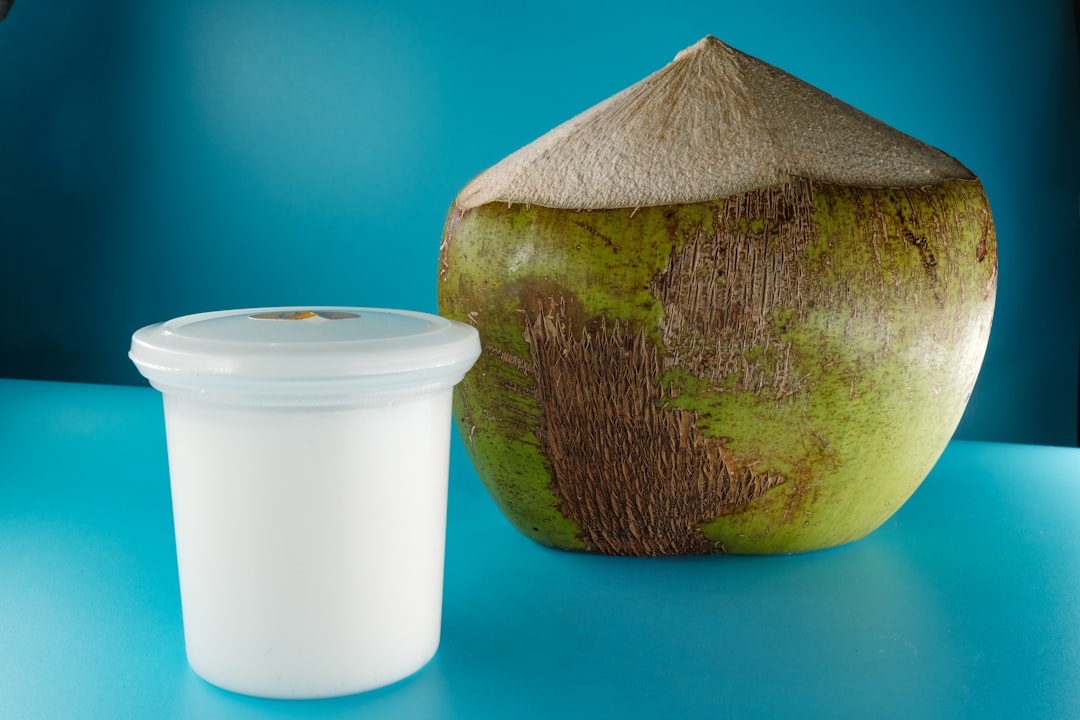
Coconut water has emerged as one of the most celebrated natural alternatives to Gatorade due to its impressive electrolyte profile and hydrating properties. Often referred to as “nature’s sports drink,” coconut water contains high levels of potassium—approximately 600 mg per cup—along with sodium, magnesium, and calcium. This unique combination makes it particularly effective for replenishing lost electrolytes during exercise.
Beyond its electrolyte content, coconut water is low in calories and contains no added sugars or artificial ingredients, making it an appealing choice for those seeking a healthier hydration option. Its naturally sweet flavor makes it enjoyable on its own or as a base for smoothies and other beverages. Furthermore, coconut water has been shown to aid in digestion due to its high fiber content, providing additional benefits beyond mere hydration.
Other Natural Sports Drinks to Consider
In addition to coconut water and fruit-based alternatives, there are several other natural sports drinks worth considering for optimal hydration during exercise. Herbal teas infused with electrolytes can serve as refreshing options; for instance, hibiscus tea has been shown to help lower blood pressure while providing antioxidants that combat oxidative stress. Another option is homemade electrolyte drinks made from natural sources such as lemon juice mixed with honey and sea salt dissolved in water.
This simple concoction offers a balance of carbohydrates for energy along with essential electrolytes needed for muscle function. Additionally, some brands have begun producing plant-based electrolyte drinks made from ingredients like beetroot juice or chia seeds—both known for their hydrating properties and ability to enhance endurance during physical activity.
Making Informed Choices for Optimal Hydration
As consumers become increasingly aware of the importance of hydration in relation to health and performance, making informed choices about beverage options is essential. Understanding the ingredients in traditional sports drinks like Gatorade allows individuals to weigh the benefits against potential health risks associated with excessive sugar and artificial additives. By exploring natural alternatives—whether through store-bought options or DIY recipes—individuals can find beverages that align with their health goals while effectively supporting their hydration needs.
Ultimately, the key lies in recognizing personal preferences and requirements when it comes to hydration during exercise. Whether opting for coconut water, fruit-infused waters, or homemade electrolyte drinks, prioritizing whole food ingredients ensures that athletes are fueling their bodies with the nutrients necessary for optimal performance and recovery. As the market continues to evolve with innovative natural products, consumers have more choices than ever before to support their hydration journey effectively.
If you are looking for a natural alternative to Gatorade, you may want to consider coconut water. Coconut water is a great source of electrolytes and hydration, making it a popular choice for athletes and those looking to replenish their fluids after a workout. For more information on the benefits of coconut water, check out this article on 5 Effective Ab Workouts for a Strong Core.
FAQs
What is a natural alternative to Gatorade?
A natural alternative to Gatorade is a beverage made with natural ingredients such as coconut water, fruit juice, and a pinch of salt to replenish electrolytes.
What are the benefits of a natural alternative to Gatorade?
A natural alternative to Gatorade provides hydration and replenishes electrolytes without artificial colors, flavors, or sweeteners. It also offers natural sources of vitamins and minerals.
How does a natural alternative to Gatorade compare to Gatorade?
A natural alternative to Gatorade provides similar hydration and electrolyte replenishment without the use of artificial ingredients. It may have a different taste and nutritional profile compared to Gatorade.
Can a natural alternative to Gatorade be used for sports and exercise?
Yes, a natural alternative to Gatorade can be used for sports and exercise to help maintain hydration and replenish electrolytes lost through sweating.
Are there any potential drawbacks to using a natural alternative to Gatorade?
Some natural alternatives to Gatorade may have a shorter shelf life compared to Gatorade, and they may not be as widely available in stores. Additionally, the taste and texture may differ from Gatorade.
