The recall of blood pressure medications has become a significant concern for both healthcare providers and patients alike. In recent years, several widely prescribed antihypertensive drugs have been pulled from the market due to contamination or the presence of potentially harmful substances.
The U.S. Food and Drug Administration (FDA) plays a crucial role in monitoring the safety of medications, and when a risk is identified, it acts swiftly to protect public health. The complexities surrounding these recalls can be daunting, as they not only affect the availability of essential medications but also raise questions about the safety and efficacy of alternatives.
The process of a medication recall typically begins with rigorous testing and surveillance by pharmaceutical companies and regulatory bodies. When a potential risk is identified, the FDA may issue a recall, which can range from a Class I recall—indicating a serious risk of harm—to a Class III recall, which involves products that are unlikely to cause adverse health consequences. Patients who rely on these medications for managing their blood pressure may find themselves in a precarious situation, needing to navigate the implications of the recall while ensuring their health remains stable.
Understanding the nuances of these recalls is essential for patients to make informed decisions about their treatment options.
Key Takeaways
- Blood pressure medication recall requires patient awareness and prompt action to ensure safety.
- Identifying risks linked to the recalled drugs helps prevent adverse health effects.
- Effective communication with healthcare providers is crucial for managing medication changes.
- Monitoring blood pressure regularly during the recall period ensures continued health stability.
- Exploring and transitioning to alternative medications can maintain treatment efficacy.
Identifying the Risks Associated with the Recalled Medication
The risks associated with recalled blood pressure medications can vary significantly depending on the specific drug and the nature of the contamination. For instance, some medications may contain nitrosamines, which have been linked to an increased risk of cancer after prolonged exposure. Other recalls may involve drugs that have been found to have incorrect dosages or impurities that could lead to adverse reactions in patients.
The potential for serious side effects underscores the importance of addressing these recalls promptly and effectively. Moreover, patients who are abruptly taken off their blood pressure medications due to a recall may experience a rebound effect, where their blood pressure spikes after discontinuation. This can lead to severe health complications, including heart attacks or strokes.
The psychological impact of such recalls should not be underestimated either; patients may experience anxiety or fear regarding their health outcomes and the reliability of their medications. It is crucial for healthcare providers to communicate these risks clearly and provide guidance on how to manage any potential side effects or complications that may arise during this period.
Ensuring Patient Safety During the Recall Process

Ensuring patient safety during a medication recall is paramount. Healthcare providers must take proactive steps to monitor their patients closely and provide them with alternative treatment options when necessary. This includes reviewing each patient’s medication history and assessing their current health status to determine the best course of action.
In many cases, switching to an alternative medication may be appropriate, but this decision should be made collaboratively between the patient and their healthcare provider. Additionally, healthcare systems must implement robust communication strategies to keep patients informed about recalls and their implications. This can involve sending out alerts via email or text messages, posting updates on patient portals, or even conducting outreach calls for those who may be particularly vulnerable.
Communicating with Healthcare Providers About the Recall
Effective communication between patients and healthcare providers is essential during a medication recall. Patients should feel empowered to reach out to their healthcare team with any questions or concerns they may have regarding their medications. This dialogue is critical not only for addressing immediate concerns but also for fostering a long-term relationship built on trust and transparency.
Healthcare providers should encourage open discussions about the recall, providing clear information about what it means for each patient’s treatment plan. Moreover, healthcare providers must stay informed about the latest developments related to medication recalls. This includes understanding the specific reasons behind a recall, the potential risks involved, and any recommended alternatives.
By being well-informed, healthcare providers can offer tailored advice to their patients, helping them navigate the complexities of their treatment options during this challenging time. Regular follow-ups can also be beneficial, allowing providers to monitor patients’ responses to any changes in their medication regimen and adjust as necessary.
Exploring Alternative Blood Pressure Medication Options
| Medicine Name | Manufacturer | Recall Date | Reason for Recall | Batch Numbers | Actions Recommended |
|---|---|---|---|---|---|
| Valsartan | XYZ Pharmaceuticals | 2023-11-15 | Presence of nitrosamine impurities | V12345, V12346, V12347 | Stop use and return to pharmacy |
| Amlodipine | ABC Pharma | 2024-02-10 | Incorrect dosage labeling | A98765, A98766 | Consult doctor for alternative medication |
| Losartan | HealthMed Inc. | 2023-09-05 | Contamination with foreign particles | L54321, L54322 | Dispose and seek replacement |
| Hydrochlorothiazide | MedLife Corp. | 2024-01-20 | Packaging defects leading to moisture exposure | H11223, H11224, H11225 | Return to pharmacy for refund |
When a blood pressure medication is recalled, exploring alternative options becomes a priority for both patients and healthcare providers. There are numerous classes of antihypertensive medications available, including diuretics, ACE inhibitors, angiotensin II receptor blockers (ARBs), calcium channel blockers, and beta-blockers. Each class works through different mechanisms to lower blood pressure, and understanding these differences can help guide treatment decisions.
For instance, if a patient was taking an ACE inhibitor that has been recalled, a healthcare provider might consider switching them to an ARB, which has a similar effect on blood pressure but operates through a different pathway in the body. Alternatively, diuretics may be recommended for patients who require additional fluid management alongside blood pressure control. The choice of alternative medication should take into account individual patient factors such as comorbidities, potential drug interactions, and personal preferences regarding side effects.
Monitoring Blood Pressure Levels During the Recall
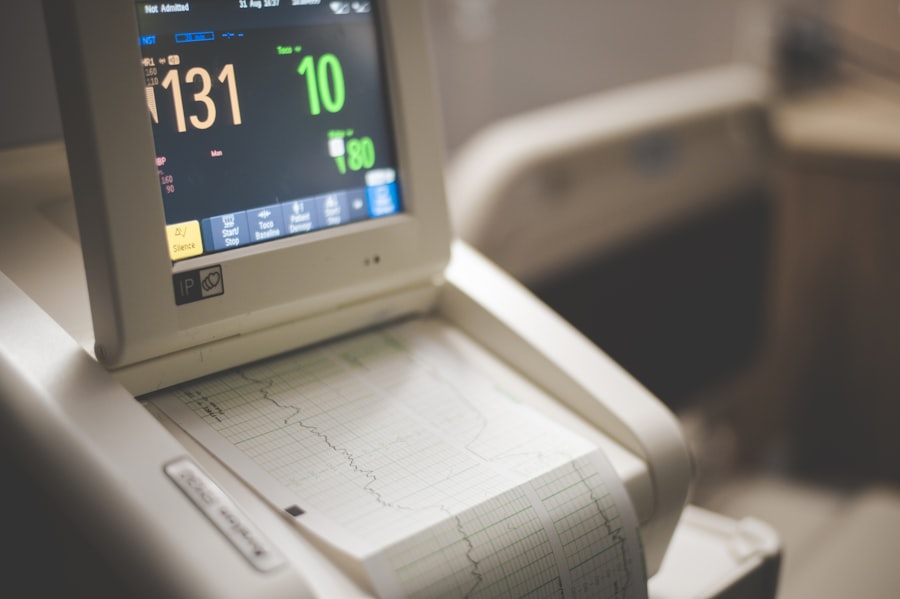
Monitoring blood pressure levels during a medication recall is crucial for ensuring patient safety and treatment efficacy. Patients who are transitioning to new medications or adjusting dosages need regular monitoring to assess how well their blood pressure is being controlled. This can involve self-monitoring at home using a blood pressure cuff or attending regular check-ups with their healthcare provider.
Healthcare providers should emphasize the importance of keeping track of blood pressure readings during this period. Patients should be educated on how to properly measure their blood pressure at home and encouraged to maintain a log of their readings. This data can provide valuable insights into how well alternative medications are working and whether any adjustments are needed.
Additionally, consistent monitoring can help identify any adverse effects early on, allowing for timely intervention if necessary.
Addressing Concerns and Questions from Patients
Addressing concerns and questions from patients during a medication recall is vital for maintaining trust in the healthcare system. Patients may have various worries ranging from potential health risks associated with the recalled medication to uncertainties about how changes in their treatment plan will affect their overall health. Healthcare providers should create an open environment where patients feel comfortable voicing their concerns without fear of judgment.
It is essential for healthcare providers to listen actively and respond empathetically to patient inquiries. Providing clear, evidence-based information can help alleviate fears and empower patients to take an active role in managing their health. For example, if a patient expresses anxiety about switching medications due to potential side effects, the provider can discuss common side effects associated with both the recalled medication and its alternatives, helping the patient make an informed decision based on realistic expectations.
Implementing Preventative Measures for Future Medication Recalls
To mitigate the impact of future medication recalls, it is essential for healthcare systems and regulatory bodies to implement preventative measures that enhance drug safety monitoring processes. This includes investing in more rigorous testing protocols during drug development and post-marketing surveillance to identify potential issues before they escalate into widespread recalls. Pharmaceutical companies should also prioritize transparency in reporting any adverse events associated with their products.
Furthermore, educating both healthcare providers and patients about the importance of reporting side effects can create a more proactive approach to medication safety. Encouraging patients to report any unusual symptoms or reactions they experience while taking medications can help identify potential problems early on. By fostering a culture of vigilance around medication safety, stakeholders can work together to minimize risks and enhance patient outcomes in the long run.
In conclusion, navigating the complexities surrounding blood pressure medication recalls requires collaboration between patients and healthcare providers. By understanding the risks associated with recalled medications, ensuring patient safety during transitions, exploring alternative options, monitoring blood pressure levels closely, addressing patient concerns effectively, and implementing preventative measures for future recalls, we can work towards a safer healthcare environment for all individuals relying on these essential treatments.
Recent concerns regarding a blood pressure medicine recall have raised questions about the safety and efficacy of various medications. For those interested in understanding more about medical treatments and their implications, you might find the article on Botox treatment insightful, as it discusses the science behind medical interventions. You can read more about it here: The Science Behind Botox Treatment: What Makes It Effective?.
FAQs
What is a blood pressure medicine recall?
A blood pressure medicine recall occurs when a manufacturer or regulatory agency identifies a problem with a specific batch or all batches of a blood pressure medication, leading to its removal from the market to protect patient safety.
Why are blood pressure medicines recalled?
Blood pressure medicines may be recalled due to contamination, incorrect dosage, presence of harmful impurities, labeling errors, or manufacturing defects that could pose health risks to patients.
How can I find out if my blood pressure medicine has been recalled?
You can check for recalls by visiting official websites such as the U.S. Food and Drug Administration (FDA) or your country’s health regulatory agency. Pharmacies and healthcare providers may also notify patients directly.
What should I do if my blood pressure medicine is recalled?
If your medication is recalled, contact your healthcare provider immediately for guidance. Do not stop taking the medicine without consulting your doctor, as this could affect your blood pressure control.
Are all blood pressure medicines from a recalled batch unsafe to use?
Not necessarily. The recall notice will specify the reason and affected batches. Some recalls are precautionary, while others indicate a significant risk. Always follow official guidance and consult your healthcare provider.
Can I get a replacement for recalled blood pressure medicine?
Yes, pharmacies typically provide a replacement or alternative medication once a recall is confirmed. Your healthcare provider can also prescribe a different medication if necessary.
How often do blood pressure medicine recalls happen?
Recalls are relatively rare but can occur at any time if safety concerns arise. Regulatory agencies continuously monitor medications to ensure public safety.
Is it safe to continue taking my blood pressure medicine during a recall investigation?
You should consult your healthcare provider before making any changes. In many cases, it is safer to continue the medication until a suitable alternative is provided.
What are common contaminants found in recalled blood pressure medicines?
Some recalls have involved contaminants such as nitrosamines, which are potential carcinogens, or other impurities that may affect the safety or efficacy of the medication.
How can I report a problem with my blood pressure medicine?
You can report adverse effects or quality issues to your healthcare provider, pharmacist, or directly to regulatory agencies like the FDA through their MedWatch program or equivalent systems in your country.
