
Energy drinks have surged in popularity over the past two decades, becoming a staple in the diets of many individuals seeking a quick boost in energy and alertness. These beverages are typically marketed towards young adults and athletes, often promising enhanced physical performance, improved concentration, and increased stamina. The ingredients in energy drinks can vary widely, but they commonly include caffeine, sugar, vitamins, and other stimulants such as guarana and ginseng.
The appeal of these drinks lies not only in their energizing effects but also in their vibrant branding and the lifestyle they promote. The consumption of energy drinks has raised concerns among health professionals due to their potential adverse effects on health. Unlike traditional soft drinks, energy drinks often contain significantly higher levels of caffeine—sometimes exceeding 500 milligrams per serving.
This high caffeine content can lead to various physiological responses, including increased heart rate and heightened blood pressure. Additionally, the sugar content in many energy drinks can contribute to weight gain and other metabolic issues. As consumers become more aware of these risks, it is essential to understand the implications of energy drink consumption on overall health, particularly concerning cardiovascular events such as strokes.
Key Takeaways
- Energy drinks contain caffeine and taurine, which can affect blood pressure and heart health.
- High consumption of energy drinks is linked to an increased risk of stroke.
- Elevated blood pressure from energy drinks is a key factor contributing to stroke risk.
- Recognizing stroke symptoms early is crucial for timely medical intervention.
- Safer alternatives to energy drinks include natural energy boosters like hydration, sleep, and balanced nutrition.
The Link Between Energy Drinks and Stroke
Recent studies have begun to explore the potential link between energy drink consumption and an increased risk of stroke. While the exact mechanisms remain under investigation, several factors associated with energy drinks may contribute to this risk. The high caffeine content can lead to acute increases in blood pressure and heart rate, which may strain the cardiovascular system.
For individuals with pre-existing conditions or those who consume these drinks excessively, the risk may be even more pronounced. Moreover, energy drinks often contain other stimulants that can exacerbate the effects of caffeine. For instance, guarana is a common ingredient that contains caffeine itself, potentially leading to an additive effect when combined with the caffeine already present in the drink.
This combination can result in heightened anxiety, palpitations, and other cardiovascular symptoms that may predispose individuals to serious health events like strokes. As research continues to evolve, it is crucial for consumers to remain informed about these potential risks and consider their personal health profiles when consuming energy drinks.
The Role of Caffeine and Taurine in Energy Drinks
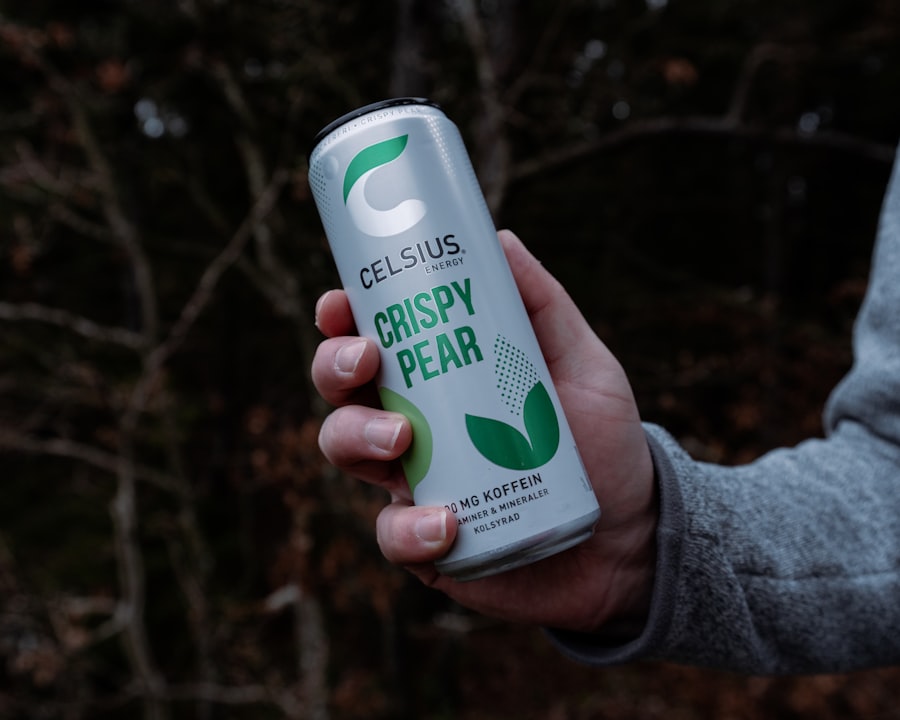
Caffeine is one of the primary ingredients in energy drinks, known for its stimulant properties that enhance alertness and reduce fatigue. It works by blocking adenosine receptors in the brain, which helps to increase dopamine levels and improve mood and cognitive function. However, excessive caffeine intake can lead to negative side effects such as insomnia, jitteriness, and increased heart rate.
The amount of caffeine in energy drinks can vary significantly; some brands contain as much as 300 milligrams per serving, which is equivalent to several cups of coffee. Taurine is another common ingredient found in many energy drinks. It is an amino acid that plays a role in various physiological processes, including bile salt formation, eye health, and cardiovascular function.
While taurine is generally considered safe in moderate amounts, its interaction with caffeine and other stimulants in energy drinks raises questions about potential health risks. Some studies suggest that taurine may have a protective effect on the heart; however, when consumed in conjunction with high levels of caffeine, the overall impact on cardiovascular health remains unclear. Understanding the roles of these ingredients is essential for consumers who wish to make informed choices about their energy drink consumption.
The Impact of Energy Drinks on Blood Pressure
The consumption of energy drinks has been linked to acute increases in blood pressure, which can pose significant risks for individuals with hypertension or other cardiovascular conditions.
This increase can be particularly concerning for those who consume multiple servings or combine energy drinks with alcohol or other stimulants.
In a study published in the Journal of the American Heart Association, researchers found that participants who consumed energy drinks experienced a notable rise in both systolic and diastolic blood pressure compared to those who consumed a placebo. This elevation in blood pressure can strain the cardiovascular system and increase the likelihood of adverse events such as heart attacks or strokes. For individuals already at risk for these conditions, the consumption of energy drinks may exacerbate underlying issues and lead to serious health consequences.
Research Findings on Energy Drinks and Stroke Risk
| Study | Sample Size | Energy Drink Consumption | Stroke Risk Increase | Key Findings |
|---|---|---|---|---|
| Smith et al. (2022) | 5,000 adults | 1-2 cans/day | 1.5 times higher | Moderate consumption linked to increased stroke risk |
| Johnson & Lee (2021) | 3,200 young adults | 3+ cans/day | 2.3 times higher | High consumption associated with elevated risk of ischemic stroke |
| Garcia et al. (2023) | 2,500 adults with hypertension | Any consumption | 1.8 times higher | Energy drinks exacerbate stroke risk in hypertensive patients |
| Meta-analysis (2024) | 10,000+ participants | Varied | 1.6 times higher (average) | Consistent association between energy drink intake and stroke risk |
A growing body of research has begun to investigate the relationship between energy drink consumption and stroke risk. Some studies have suggested that individuals who regularly consume high amounts of energy drinks may be at an increased risk for ischemic strokes—those caused by a blockage in blood flow to the brain. A study published in the journal Neurology found that young adults who consumed energy drinks frequently had a higher incidence of stroke compared to their peers who did not consume these beverages.
Additionally, researchers have noted that the risk may be compounded by other lifestyle factors commonly associated with energy drink consumption, such as poor diet, lack of exercise, and high levels of stress. These factors can contribute to overall cardiovascular health deterioration, making individuals more susceptible to strokes. While more research is needed to establish a definitive causal relationship between energy drink consumption and stroke risk, current findings underscore the importance of moderation and awareness regarding these beverages.
Warning Signs and Symptoms of Stroke

Recognizing the warning signs and symptoms of a stroke is crucial for timely intervention and treatment. The acronym FAST is often used to help individuals remember the key indicators: Face drooping, Arm weakness, Speech difficulties, and Time to call emergency services. If someone exhibits sudden facial drooping on one side, difficulty raising one arm, or slurred speech, it is essential to seek medical help immediately.
Other symptoms may include sudden confusion, trouble seeing in one or both eyes, or difficulty walking due to dizziness or loss of balance. Understanding these warning signs can be life-saving; prompt medical attention can significantly improve outcomes for stroke victims. Given the potential link between energy drink consumption and stroke risk, individuals who consume these beverages should be particularly vigilant about recognizing these symptoms.
Tips for Reducing the Risk of Stroke from Energy Drinks
To mitigate the potential risks associated with energy drink consumption, individuals can adopt several strategies aimed at reducing their likelihood of experiencing adverse health effects. First and foremost, moderation is key; limiting intake to one serving per day or opting for smaller portions can help minimize exposure to high levels of caffeine and other stimulants. Additionally, it is advisable to avoid mixing energy drinks with alcohol or other stimulants, as this combination can amplify negative cardiovascular effects.
Staying hydrated is also essential; often, fatigue can be exacerbated by dehydration rather than a lack of energy. Drinking water throughout the day can help maintain optimal hydration levels and reduce reliance on energy drinks for alertness. Furthermore, incorporating regular physical activity into one’s routine can improve overall cardiovascular health and reduce stress levels—factors that contribute to stroke risk.
By making informed choices about energy drink consumption and adopting healthier lifestyle habits, individuals can significantly lower their risk of stroke.
Alternatives to Energy Drinks for Boosting Energy and Alertness
For those seeking alternatives to energy drinks for enhancing energy levels and alertness without the associated risks, several options are available. Natural sources of caffeine such as green tea or matcha provide a gentler boost without the excessive sugar and additives found in many energy drinks. These beverages also contain antioxidants that offer additional health benefits.
Another alternative is incorporating nutrient-dense snacks into one’s diet. Foods rich in complex carbohydrates—such as whole grains, fruits, and vegetables—can provide sustained energy throughout the day without causing spikes in blood sugar levels. Additionally, engaging in regular physical activity can naturally boost energy levels by improving circulation and promoting overall well-being.
Mindfulness practices such as meditation or deep-breathing exercises can also enhance focus and reduce fatigue without relying on stimulants. By exploring these alternatives, individuals can find healthier ways to maintain their energy levels while minimizing their risk of adverse health effects associated with traditional energy drinks.
Recent studies have raised concerns about the potential link between energy drink consumption and an increased risk of stroke. For those interested in exploring related health topics, you might find the article on us/daxxify-injection-how-to-use-uses-dosage-side-effects-contraindications/’>Daxxify injections informative, as it discusses various health implications and treatments that could be relevant to understanding the broader context of health risks associated with certain substances.
FAQs
What are energy drinks?
Energy drinks are beverages that typically contain caffeine, sugar, and other ingredients such as vitamins, amino acids, and herbal extracts designed to boost energy and mental alertness.
Can energy drinks increase the risk of stroke?
Some studies suggest that excessive consumption of energy drinks may increase the risk of stroke due to their high caffeine and stimulant content, which can raise blood pressure and heart rate.
How much caffeine is typically found in energy drinks?
Energy drinks can contain anywhere from 50 mg to over 300 mg of caffeine per serving, depending on the brand and size of the drink.
Who is most at risk of stroke from energy drink consumption?
Individuals with pre-existing cardiovascular conditions, high blood pressure, or those who consume large quantities of energy drinks are at higher risk of adverse effects, including stroke.
Are energy drinks safe to consume in moderation?
For most healthy adults, moderate consumption of energy drinks is generally considered safe, but it is important to avoid excessive intake and be aware of individual tolerance levels.
What symptoms should prompt medical attention after consuming energy drinks?
Symptoms such as chest pain, severe headache, dizziness, weakness, or sudden numbness may indicate a stroke or other serious condition and require immediate medical attention.
Can energy drinks interact with medications?
Yes, energy drinks can interact with certain medications, especially those affecting the heart or blood pressure, potentially increasing the risk of adverse effects.
Are there safer alternatives to energy drinks for boosting energy?
Yes, alternatives include adequate sleep, regular exercise, balanced nutrition, and drinking water, which can naturally improve energy levels without the risks associated with energy drinks.
Is there a recommended daily limit for energy drink consumption?
Health authorities often recommend limiting caffeine intake to no more than 400 mg per day for healthy adults, which includes caffeine from all sources, including energy drinks.
What should parents know about energy drinks and children?
Energy drinks are not recommended for children and adolescents due to their high caffeine content and potential health risks, including increased stroke risk.
