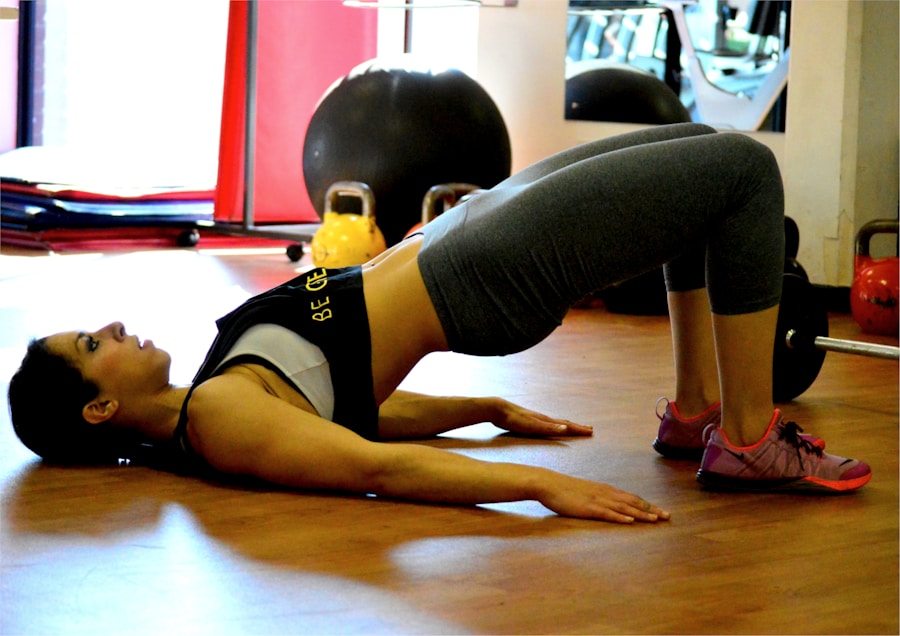
The core muscles are a complex group of muscles that play a pivotal role in stabilizing the body and facilitating movement. This group includes not only the abdominal muscles, such as the rectus abdominis and obliques, but also deeper muscles like the transverse abdominis and the multifidus. Additionally, the core encompasses the muscles of the lower back, pelvis, and diaphragm.
Together, these muscles form a solid foundation that supports the spine and pelvis, allowing for efficient movement and reducing the risk of injury. Understanding the anatomy of the core is essential for anyone looking to enhance their physical performance or improve their overall health. The transverse abdominis, often referred to as the body’s natural corset, is crucial for maintaining intra-abdominal pressure and stabilizing the spine during various activities.
The multifidus muscles, located along the spine, provide support and stability to the vertebrae. When these muscles work in harmony, they create a strong and resilient core that is vital for both athletic performance and daily activities.
Key Takeaways
- The core muscles include the abdominals, obliques, lower back, and pelvic floor muscles, and are essential for stability and movement.
- A strong core can improve posture, reduce the risk of injury, and enhance athletic performance.
- Plank variations such as side planks, forearm planks, and plank with leg lifts can effectively target the core muscles.
- Resistance training, such as using weights or resistance bands, is important for building core strength and stability.
- Dynamic core exercises like medicine ball twists, Russian twists, and bicycle crunches can improve functional strength and overall athleticism.
Benefits of a Strong Core
A strong core is fundamental to overall physical health and well-being. One of the most significant benefits is improved posture. A well-developed core helps maintain proper alignment of the spine, which can alleviate strain on the back and neck.
This is particularly important in today’s sedentary lifestyle, where many individuals spend prolonged periods sitting at desks or using electronic devices. By strengthening the core, individuals can counteract the negative effects of poor posture, leading to reduced discomfort and enhanced mobility. Moreover, a robust core enhances athletic performance across various sports and activities.
Whether running, swimming, or playing team sports, a strong core provides the necessary stability and power transfer required for optimal performance. For instance, in running, a stable core allows for better control of the pelvis and lower limbs, leading to improved stride efficiency. Additionally, a strong core can enhance balance and coordination, which are essential for activities that require agility and quick changes in direction.
Plank Variations for Core Strength

Planks are among the most effective exercises for building core strength due to their ability to engage multiple muscle groups simultaneously. The traditional plank involves holding a push-up position while maintaining a straight line from head to heels. This exercise primarily targets the rectus abdominis, transverse abdominis, and obliques while also engaging the shoulders and glutes.
However, there are numerous variations of the plank that can further challenge the core and enhance strength. One popular variation is the side plank, which shifts the focus to the obliques while also engaging the shoulder stabilizers. To perform a side plank, one lies on their side with legs extended and stacked on top of each other.
The elbow should be directly beneath the shoulder as one lifts their hips off the ground, creating a straight line from head to feet. This exercise not only strengthens the obliques but also improves lateral stability, which is crucial for many athletic movements. Another effective variation is the plank with shoulder taps.
In this exercise, one assumes a traditional plank position and alternates tapping each shoulder with the opposite hand while maintaining stability in the hips and torso. This variation challenges balance and coordination while further engaging the core muscles. Incorporating these variations into a workout routine can prevent plateaus in strength gains and keep workouts engaging.
The Importance of Incorporating Resistance Training
| Benefits of Resistance Training | Statistics |
|---|---|
| Increased Muscle Strength | Studies have shown a 25-100% increase in strength after 3-4 months of resistance training |
| Improved Bone Density | Resistance training can increase bone density by 13% in 6 months |
| Enhanced Metabolism | Resistance training can increase resting metabolic rate by 7% and reduce body fat by 4 pounds in 3 months |
| Reduced Risk of Chronic Disease | Regular resistance training can reduce the risk of developing type 2 diabetes by 50% |
| Improved Mental Health | Resistance training has been shown to reduce symptoms of depression and anxiety by 30% |
While bodyweight exercises like planks are excellent for building core strength, incorporating resistance training into a fitness regimen can significantly enhance core development. Resistance training involves using weights or resistance bands to create tension in the muscles, promoting hypertrophy and strength gains. When it comes to core training, exercises such as weighted Russian twists or medicine ball slams can provide an additional challenge that bodyweight exercises alone may not achieve.
Weighted exercises not only increase muscle strength but also improve muscle endurance. For example, performing deadlifts engages not only the lower back but also requires significant core stabilization throughout the movement. This engagement helps develop functional strength that translates into everyday activities, such as lifting heavy objects or maintaining balance during dynamic movements.
Furthermore, resistance training can stimulate metabolic activity, leading to improved body composition and overall fitness levels. Incorporating resistance training into a core workout routine can also help prevent injuries by strengthening not just the core but also surrounding muscle groups that support stability and movement. For instance, strengthening the glutes through squats or lunges can enhance pelvic stability, which is essential for maintaining proper alignment during various activities.
Dynamic Core Exercises for Functional Strength
Dynamic core exercises are essential for developing functional strength that translates into real-world movements. Unlike static exercises that focus solely on stabilization, dynamic movements engage multiple muscle groups in coordinated patterns that mimic everyday activities. Exercises such as medicine ball throws or kettlebell swings require not only core engagement but also coordination and power generation.
One effective dynamic exercise is the medicine ball rotational throw. This exercise involves standing with feet shoulder-width apart while holding a medicine ball at chest level. The individual then rotates their torso to one side while simultaneously throwing the ball against a wall or to a partner.
This movement mimics actions such as swinging a bat or throwing a ball in sports, making it highly functional for athletes. Another dynamic exercise is the bird-dog, which challenges balance while engaging both the core and stabilizing muscles of the back. To perform this exercise, one starts on all fours with hands directly under shoulders and knees under hips.
As one extends one arm forward while simultaneously extending the opposite leg backward, they must engage their core to maintain balance and prevent rotation of the torso. This exercise not only strengthens the core but also enhances coordination and stability.
Pilates Exercises for Core Stability

Core Strengthening Exercises
The hundred is an introductory Pilates exercise that involves lying on one’s back with legs raised to a tabletop position while pumping the arms up and down in rhythm with breath. This exercise engages both the rectus abdominis and transverse abdominis while promoting endurance through sustained contractions. The controlled nature of this exercise allows individuals to focus on form and alignment, which are crucial for effective core training.
Targeting Multiple Muscle Groups
Another beneficial Pilates exercise is the single-leg stretch, which targets both the abdominal muscles and hip flexors while enhancing coordination. In this exercise, one lies on their back with legs extended and lifts one leg while pulling it toward their chest with both hands while extending the other leg outwards. This movement requires significant core engagement to maintain stability throughout the exercise while also promoting flexibility in the hips.
Benefits of Pilates
The Role of Cardio in Strengthening the Core
While cardio exercises are often associated with cardiovascular health and fat loss, they also play an important role in strengthening the core. Activities such as running, cycling, or swimming require significant core engagement to maintain proper posture and stability during movement.
Incorporating high-intensity interval training (HIIT) into a fitness routine can further enhance core strength while providing cardiovascular benefits. HIIT workouts often include explosive movements that require rapid engagement of core muscles for stabilization. Exercises like burpees or mountain climbers not only elevate heart rate but also challenge core stability through dynamic movements.
Moreover, engaging in cardio activities can aid in fat loss, which is essential for revealing well-defined abdominal muscles. A strong core is not solely about muscle strength; it also involves having low body fat levels to showcase those muscles effectively.
Tips for Proper Form and Technique
Maintaining proper form and technique during core exercises is crucial for maximizing effectiveness and minimizing injury risk. One fundamental tip is to engage the core throughout each movement by drawing in the abdominal muscles toward the spine. This engagement provides stability and support during exercises, ensuring that other muscle groups do not compensate improperly.
Additionally, focusing on breathing techniques can enhance performance during core workouts. Inhale deeply through the nose before initiating a movement to create intra-abdominal pressure; exhale through pursed lips during exertion to maintain control throughout each repetition. This breathing pattern not only supports core engagement but also promotes relaxation during challenging exercises.
Lastly, it’s essential to listen to your body and avoid pushing beyond your limits when performing core exercises. If an exercise causes pain or discomfort beyond normal muscle fatigue, it may indicate improper form or an underlying issue that needs addressing. Gradually increasing intensity or resistance while prioritizing form will lead to more sustainable progress in building core strength over time.
If you’re looking to tone your abs, you may also be interested in learning about the benefits of Botox treatment for bruxism. Bruxism, or teeth grinding, can cause tension in the jaw and facial muscles, which can impact your overall appearance. Premier Medical Care discusses how Botox injections can help relax these muscles and alleviate the symptoms of bruxism. To read more about this treatment option, check out their article here.
FAQs
What are abdominal workouts?
Abdominal workouts are exercises specifically designed to target the muscles of the abdomen, including the rectus abdominis, obliques, and transverse abdominis.
Why are abdominal workouts important?
Abdominal workouts are important for strengthening the core muscles, improving posture, and reducing the risk of back pain. They also help to create a toned and defined midsection.
What are some examples of abdominal workouts?
Examples of abdominal workouts include crunches, planks, leg raises, Russian twists, bicycle crunches, and mountain climbers.
How often should I do abdominal workouts?
It is recommended to do abdominal workouts 2-3 times per week, allowing for rest days in between to allow the muscles to recover.
Can abdominal workouts help me get a six-pack?
Abdominal workouts can help to strengthen and tone the muscles of the abdomen, but achieving a six-pack also requires a low body fat percentage, which is typically achieved through a combination of diet and cardiovascular exercise.
Are there any risks associated with abdominal workouts?
When performed with proper form, abdominal workouts are generally safe. However, improper form or overtraining can lead to strain or injury. It’s important to listen to your body and consult a fitness professional if you have any concerns.
