Core strength is a fundamental aspect of physical fitness that often goes overlooked in favor of more visible muscle groups. The core encompasses a complex set of muscles, including the rectus abdominis, obliques, transverse abdominis, and the muscles of the lower back and pelvis. These muscles work in concert to stabilize the body, support movement, and maintain posture.
Ab workouts, therefore, are not merely about achieving a toned midsection; they are essential for enhancing overall functional strength and performance in various physical activities. In recent years, the fitness community has increasingly recognized the importance of core strength. This shift has led to a proliferation of core-focused workouts that emphasize not just aesthetics but also the functional benefits of a strong core.
Whether you are an athlete looking to improve your performance or someone seeking to enhance daily activities, understanding the significance of core strength and incorporating effective ab workouts into your routine can yield substantial benefits.
Key Takeaways
- Core strength is essential for overall fitness and stability
- Traditional ab exercises like crunches and planks are effective for building core strength
- Advanced ab workouts like hanging leg raises and Russian twists can challenge the core even more
- Stability and balance are important components of core workouts
- Athletes and fitness enthusiasts can benefit from specific core workouts tailored to their needs
- Proper form and technique are crucial for preventing injury in ab workouts
- Incorporating core workouts into your fitness routine can improve overall strength and performance
The Importance of a Strong Core for Overall Fitness
A strong core is vital for maintaining stability and balance during both dynamic and static movements. The core acts as a central link between the upper and lower body, facilitating efficient movement patterns. For instance, during activities such as running or jumping, a strong core helps transfer force effectively from the legs to the arms, enhancing overall performance.
Additionally, a well-developed core can prevent injuries by providing support to the spine and reducing strain on other muscle groups. Moreover, core strength plays a crucial role in everyday activities. Simple tasks like lifting objects, bending down to tie shoes, or even sitting for extended periods require a stable core to perform safely and effectively.
Individuals with weak core muscles may experience discomfort or pain during these activities, leading to poor posture and potential long-term issues. Therefore, investing time in core workouts not only improves athletic performance but also enhances quality of life by promoting functional movement patterns.
Traditional Ab Exercises for Core Strength

Traditional ab exercises have long been staples in fitness routines aimed at building core strength. Exercises such as crunches, sit-ups, and leg raises are commonly performed in gyms and homes alike. Crunches target the rectus abdominis, helping to build the “six-pack” appearance that many aspire to achieve.
Sit-ups engage multiple muscle groups, including the hip flexors, while also working the abdominal muscles. Leg raises focus on the lower abdominal region, which can be particularly challenging for many individuals. While these exercises are effective in isolating specific areas of the core, they can sometimes lead to imbalances if not complemented with other movements.
For instance, excessive focus on traditional ab exercises may neglect the obliques and transverse abdominis, which are crucial for rotational stability and overall core function. Therefore, it is essential to incorporate a variety of traditional exercises into your routine while ensuring that all aspects of the core are engaged.
Advanced Ab Workouts for Challenging Core Strength
| Exercise | Difficulty Level | Repetitions | Sets |
|---|---|---|---|
| Dragon Flag | Advanced | 8-12 | 3-4 |
| Hanging Leg Raise | Intermediate | 10-15 | 3-4 |
| Plank with Leg Lift | Intermediate | 12-15 | 3-4 |
| Ab Wheel Rollout | Advanced | 8-12 | 3-4 |
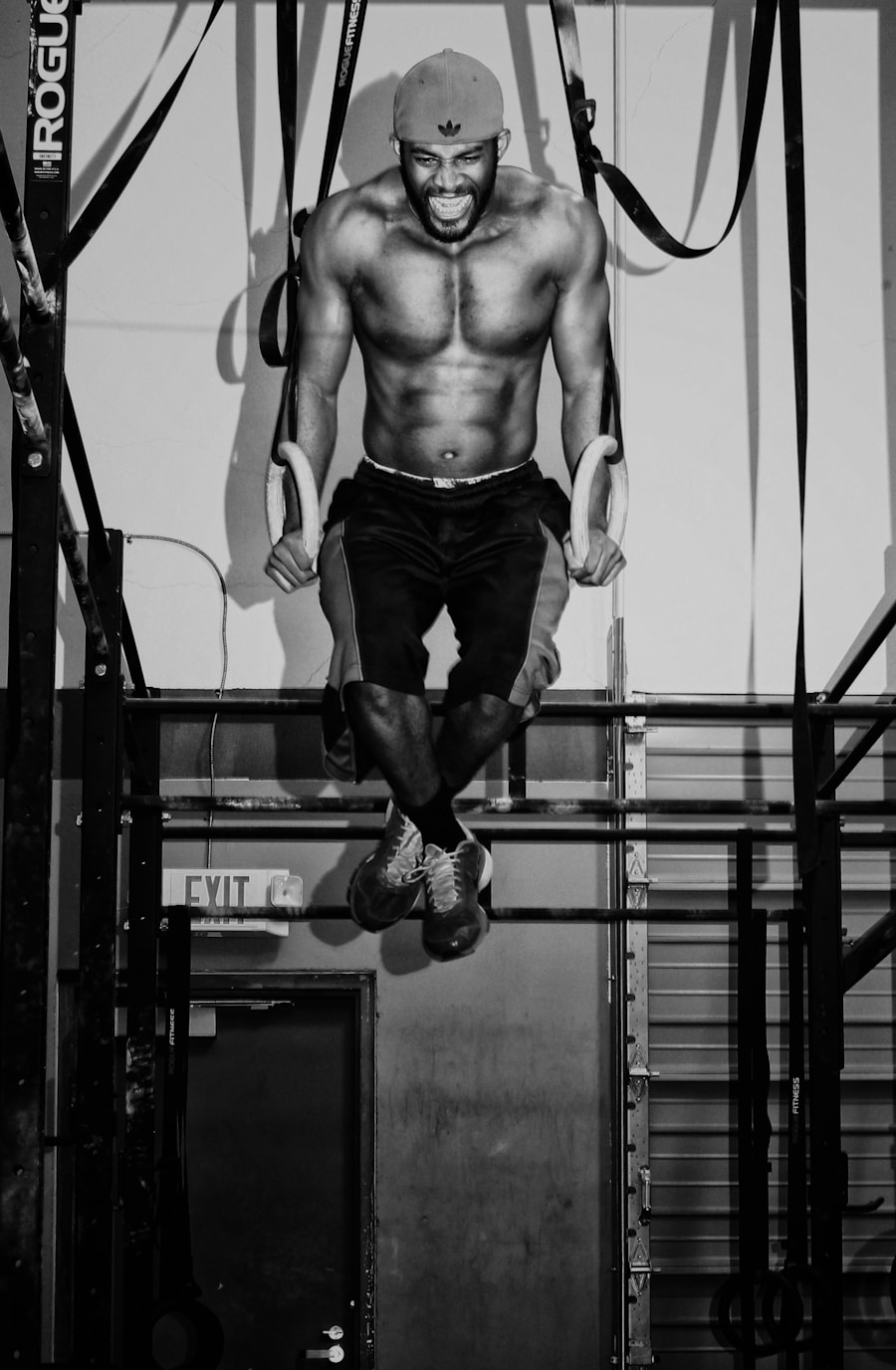
For those who have mastered traditional ab exercises and seek greater challenges, advanced ab workouts can provide an excellent opportunity to push limits and enhance core strength further. Exercises such as hanging leg raises, dragon flags, and stability ball rollouts require not only strength but also coordination and control. Hanging leg raises engage the entire abdominal region while also activating the hip flexors and grip strength as one hangs from a bar.
Dragon flags, popularized by fitness icon Bruce Lee, are an advanced movement that requires significant strength and control throughout the entire body. This exercise engages the core while also challenging the shoulders and back. Stability ball rollouts are another advanced option that requires balance and stability as one rolls out on a stability ball while maintaining a strong core position.
These advanced workouts not only build strength but also improve overall body awareness and control.
The Role of Stability and Balance in Core Workouts
Stability and balance are integral components of effective core workouts. Many traditional ab exercises focus on flexion and extension of the spine; however, incorporating stability challenges can significantly enhance core engagement. Exercises such as planks, side planks, and bird-dogs require maintaining a stable position while resisting movement, which activates deeper core muscles that may not be engaged during traditional exercises.
Balance training is equally important for developing a strong core. Movements that require balance challenge the body’s ability to stabilize itself in various positions, thereby enhancing overall core strength. For example, single-leg deadlifts or stability ball squats not only work the legs but also require significant engagement from the core to maintain balance throughout the movement.
Core Workouts for Athletes and Fitness Enthusiasts
Customized Core Workouts for Athletes
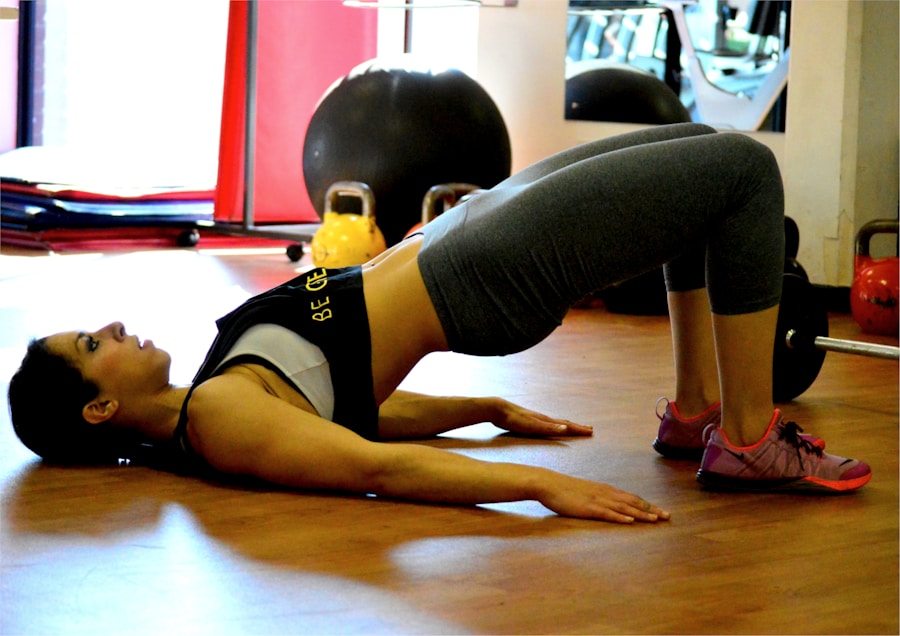
Athletes require specialized core workouts tailored to their specific sports and performance goals. For instance, a runner may benefit from exercises that enhance pelvic stability and hip mobility, while a weightlifter may focus on movements that improve overall trunk stability during heavy lifts. Core workouts for athletes often include dynamic movements that mimic sport-specific actions, such as medicine ball throws or rotational cable exercises.
Benefits of Sport-Specific Core Training for Fitness Enthusiasts
Fitness enthusiasts can also benefit from sport-specific core training by incorporating elements from various disciplines. For example, yoga and Pilates offer unique approaches to core strengthening through controlled movements and breathwork. These practices emphasize flexibility and stability while engaging the core in different ways than traditional strength training methods.
Diversifying Core Workouts for Optimal Results
By diversifying core workouts with elements from various fitness modalities, individuals can enhance their overall performance and prevent plateaus in their training.
Tips for Proper Form and Technique in Ab Workouts
Proper form and technique are paramount when performing ab workouts to maximize effectiveness and minimize the risk of injury. One common mistake is using momentum rather than muscle engagement during exercises like crunches or sit-ups. To ensure proper form, it is essential to focus on controlled movements that engage the abdominal muscles throughout the entire range of motion.
For instance, during a crunch, one should avoid pulling on the neck; instead, focus on using the abdominal muscles to lift the shoulders off the ground. Additionally, breathing plays a crucial role in maintaining proper form during ab workouts. Exhaling during exertion—such as when lifting or contracting—can help engage the core more effectively.
Conversely, inhaling during the lowering phase allows for better control and stability. It is also beneficial to engage the pelvic floor muscles during ab exercises to provide additional support to the lower back and enhance overall core engagement.
Incorporating Core Workouts into Your Fitness Routine
Incorporating core workouts into your fitness routine can be done seamlessly with some planning and creativity. One effective approach is to integrate core exercises into existing workouts rather than treating them as separate sessions. For example, adding planks or Russian twists between sets of weightlifting can keep your heart rate elevated while simultaneously targeting your core.
Another strategy is to dedicate specific days solely to core training within your weekly routine. This allows for focused attention on developing core strength without feeling rushed or distracted by other exercises. Additionally, utilizing tools such as resistance bands or stability balls can add variety to your workouts while challenging your core in new ways.
By being intentional about incorporating core workouts into your fitness regimen, you can ensure balanced development across all muscle groups while reaping the benefits of a strong core.
If you’re looking to sculpt your abs, you may also be interested in learning about the benefits of hair botox treatment for curly hair. This us/hair-botox-treatment-for-curly-hair-what-are-the-benefits/’>article discusses how this treatment can help improve the health and appearance of your hair.
By combining a strong core from ab workouts with healthy, vibrant hair, you can feel confident and empowered in your overall appearance.
FAQs
What are the best workouts for abs?
Some of the best workouts for abs include planks, crunches, bicycle crunches, Russian twists, and leg raises.
How often should I do ab workouts?
It is recommended to do ab workouts 2-3 times per week, allowing for rest days in between to allow the muscles to recover.
Can I get abs just by doing ab workouts?
While ab workouts are important for strengthening and defining the abdominal muscles, achieving visible abs also requires a combination of a healthy diet and overall body fat reduction.
Are there any risks associated with ab workouts?
Overdoing ab workouts can lead to muscle strain or injury. It’s important to maintain proper form and listen to your body’s limits.
How long does it take to see results from ab workouts?
The time it takes to see results from ab workouts varies from person to person, but with consistent effort and a healthy diet, visible results can typically be seen within a few weeks to a few months.
